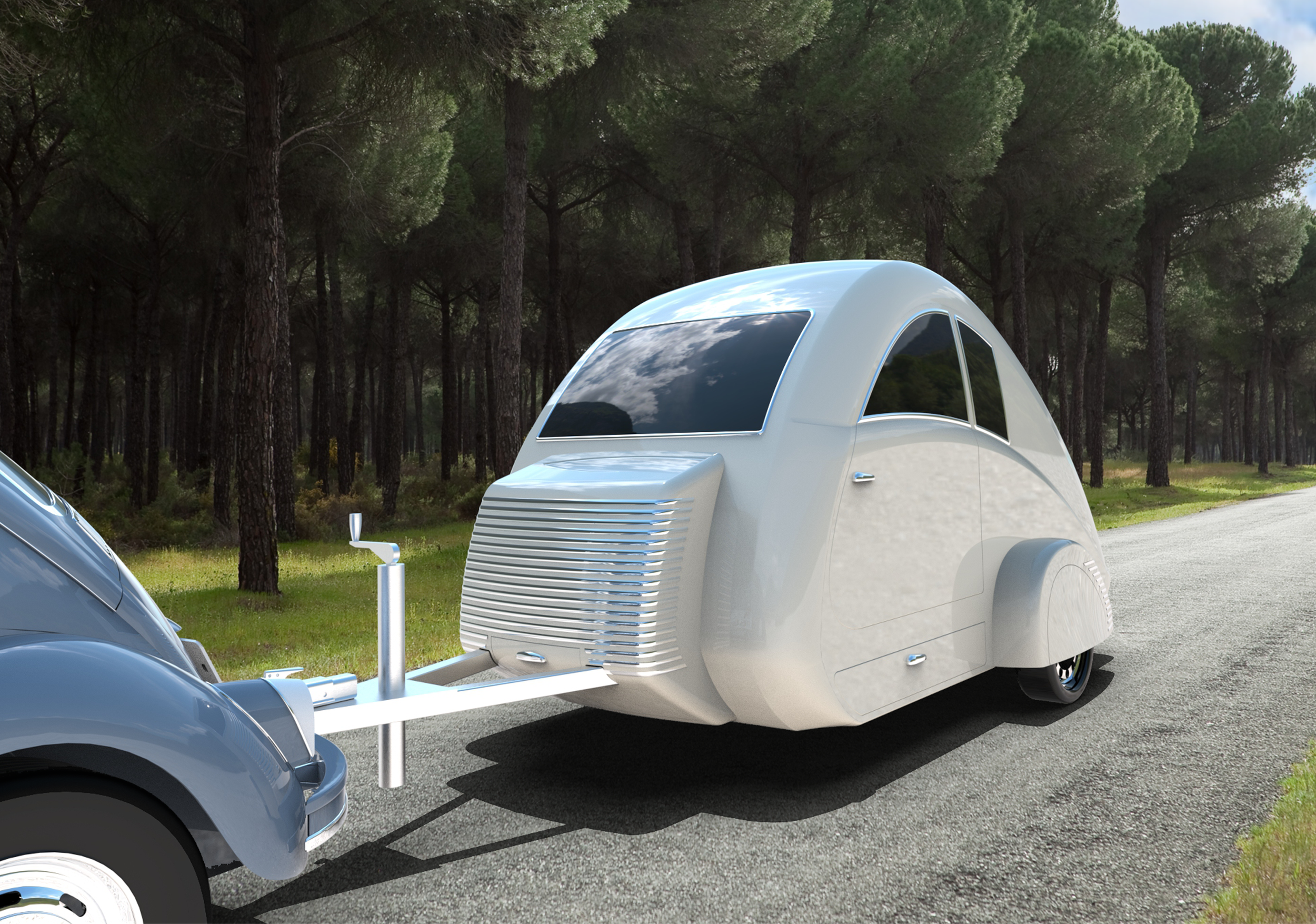
Teardrop Trailer
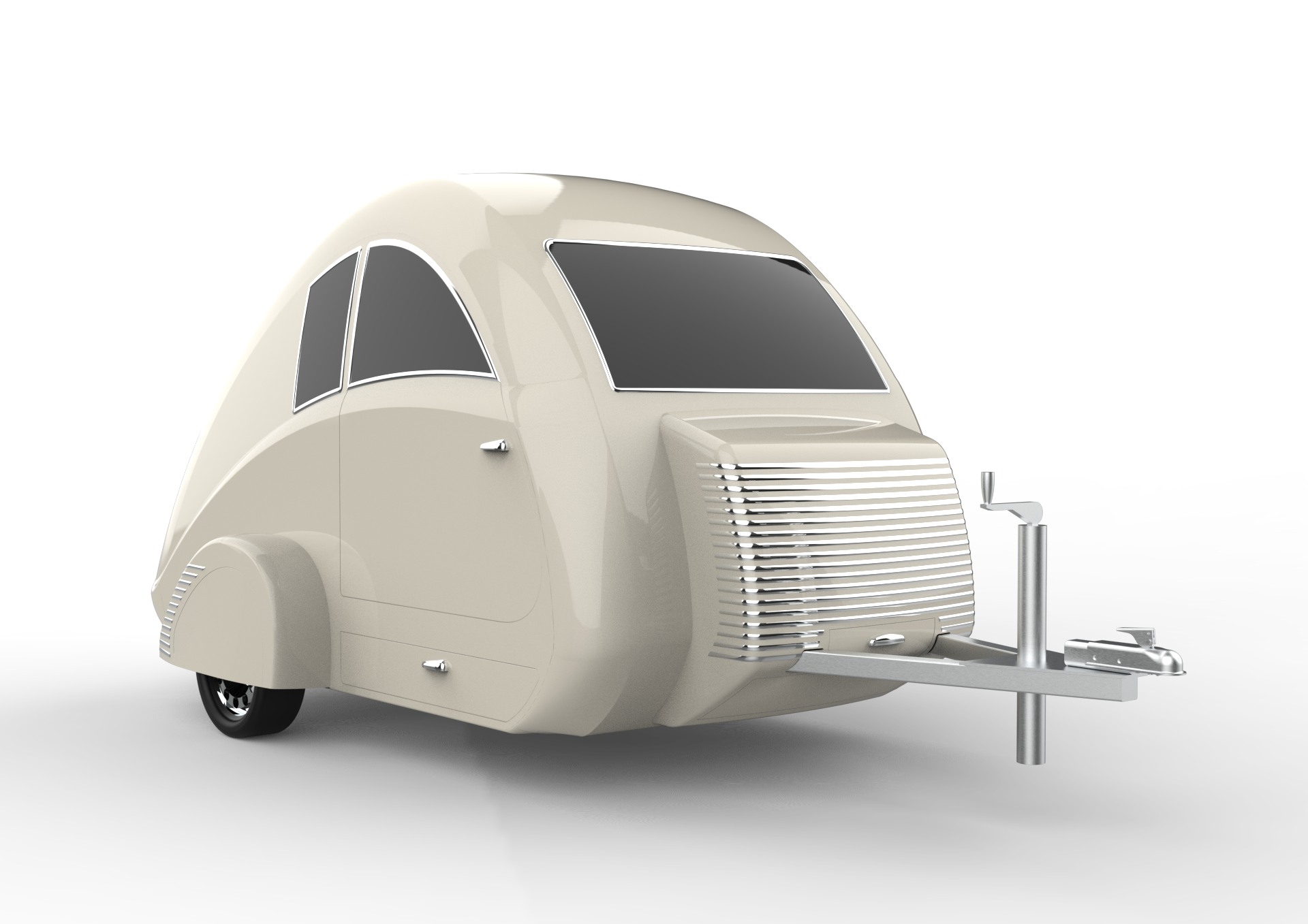
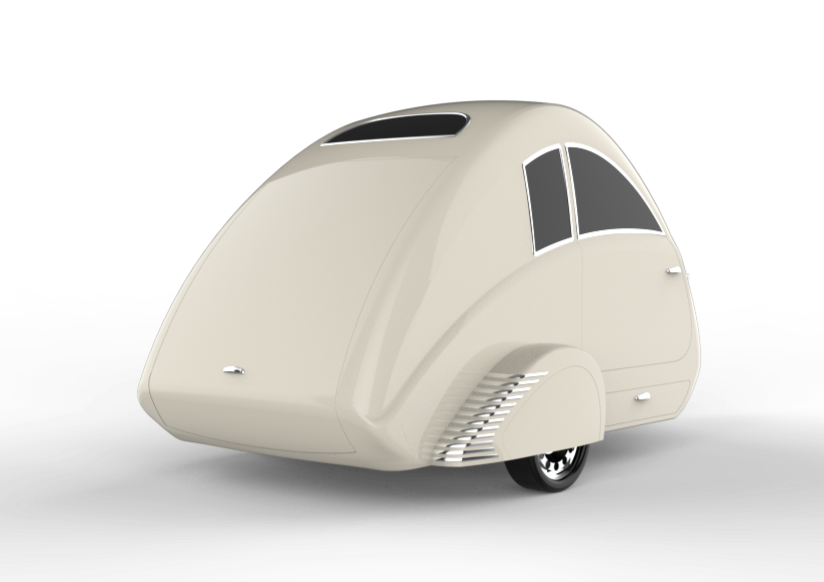
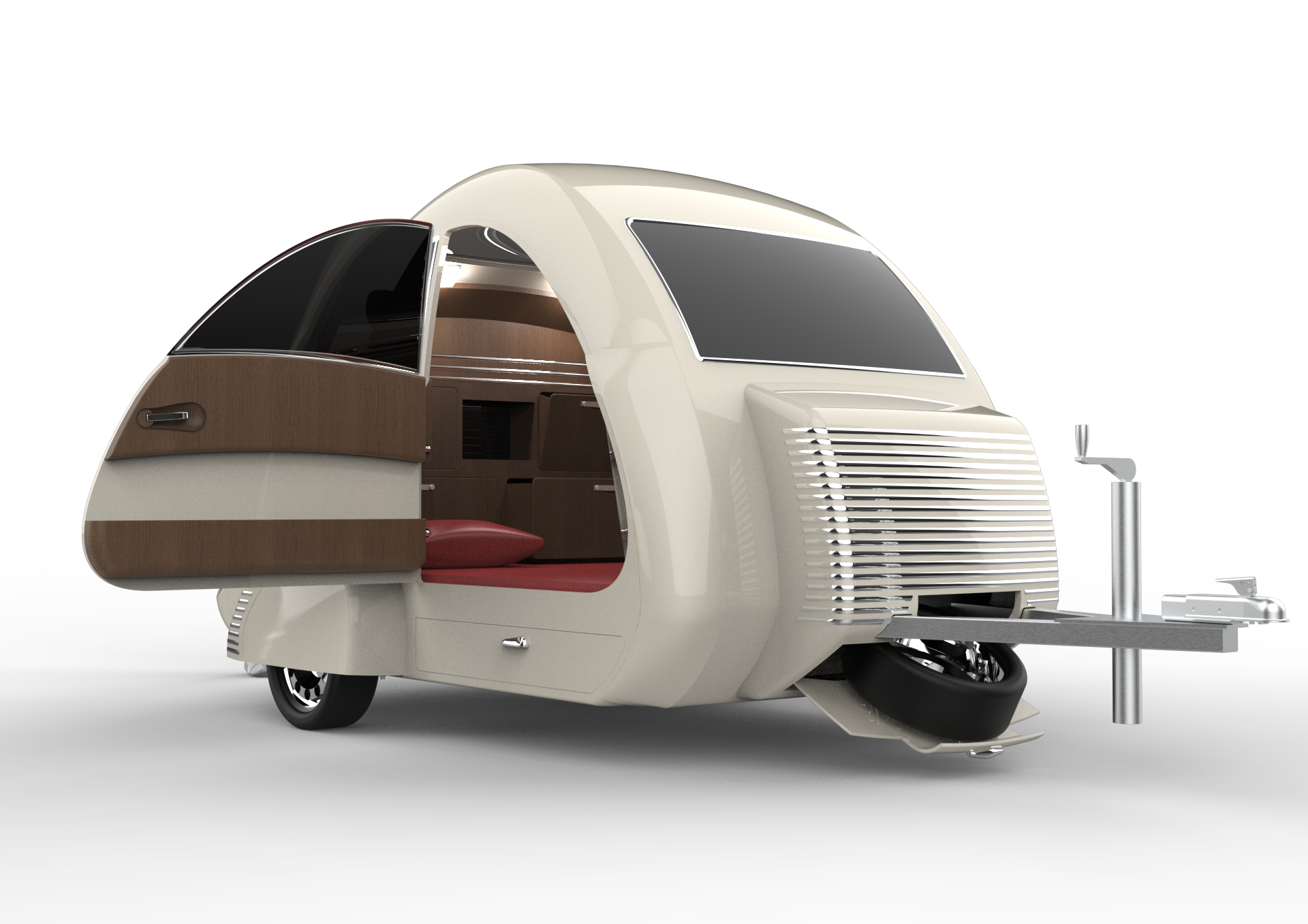
A compact teardrop trailer inspired by 1930s automotive design, combining streamlined forms, vintage aesthetics, sporty character, and luxury for short camping trips.
Initial Brief
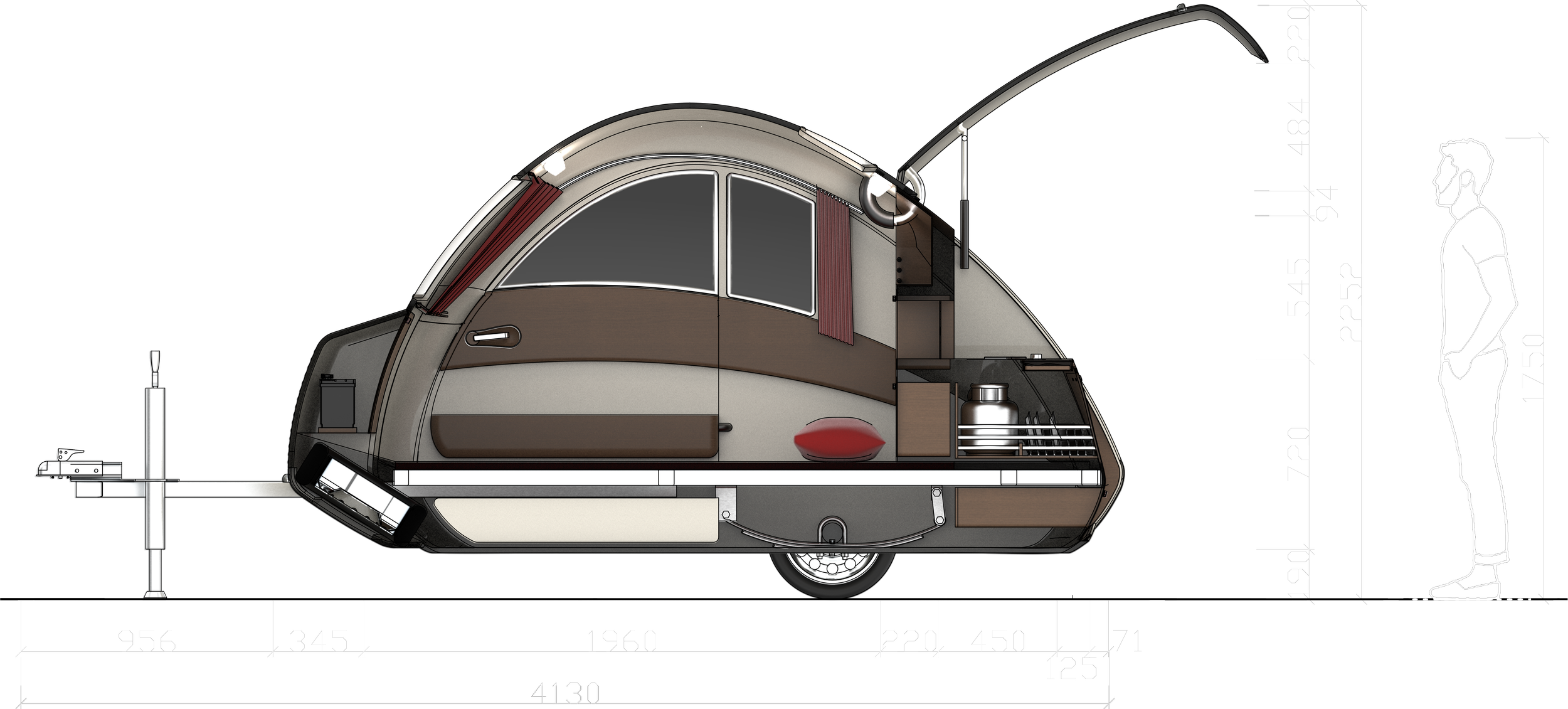
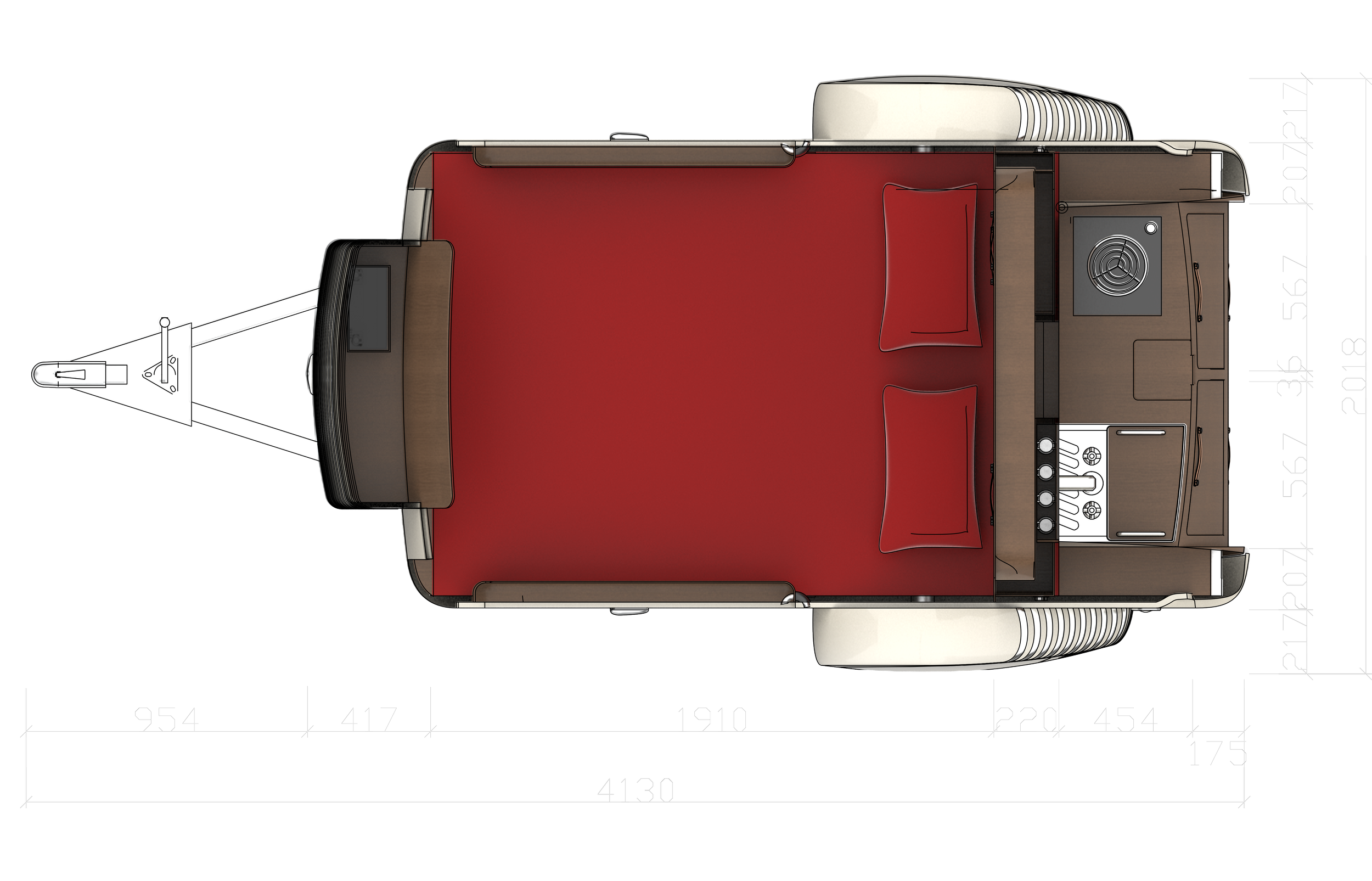
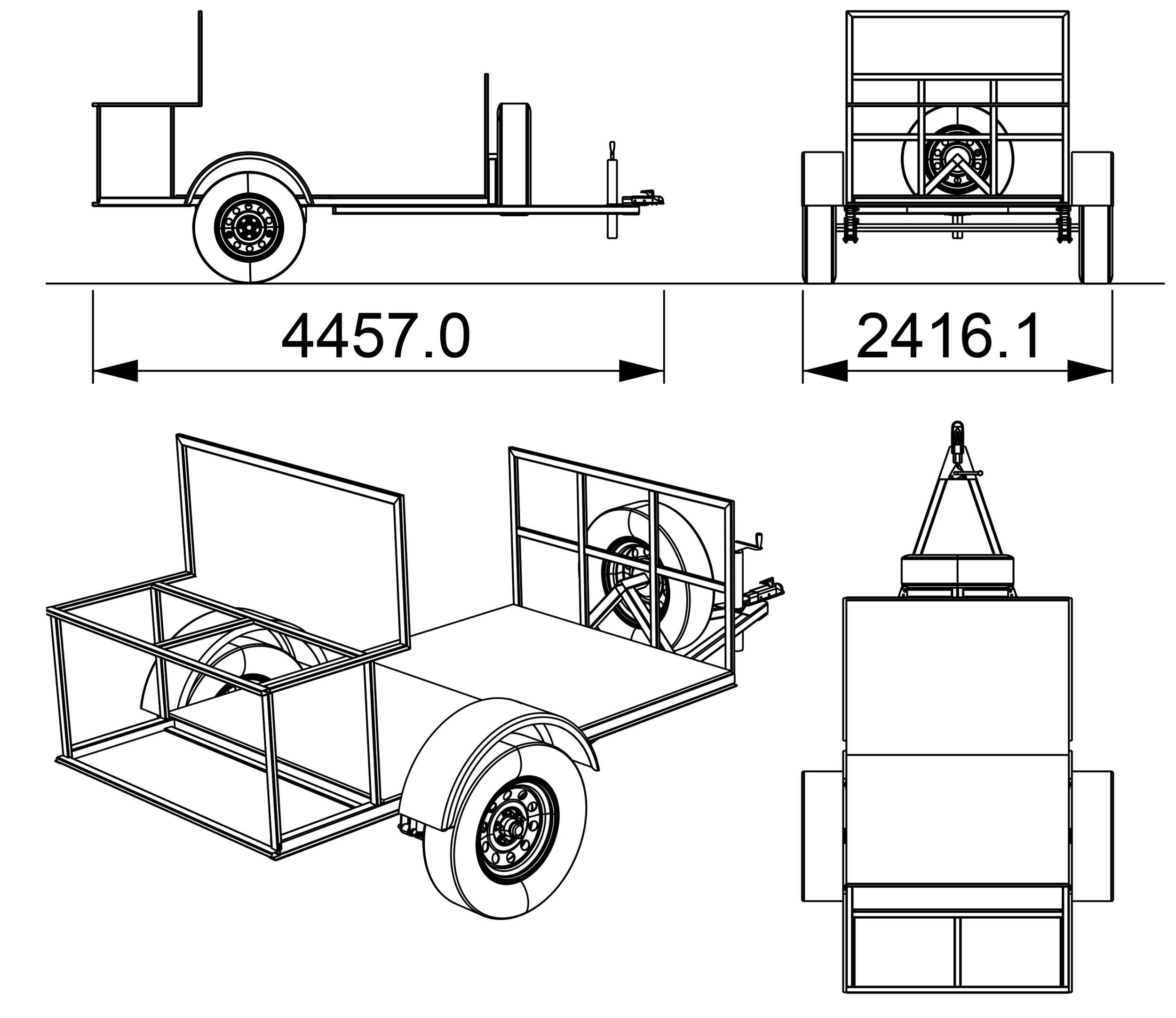
The brief was to design a trailer that has the capabilities of camping for at least 2-3 days using this chasis. It should be lighter than 750 kgs for use without a trailer license. It is should be equipped with essential amenities such as a kitchen, bed, spare wheel and heating, supported by self-contained systems such as battery and gas.
There can be no changes on the chasis or wheels.
Problems and Market
A teardrop trailer is different than a traditional camping trailer in many ways. It is closer to tents than actual big trailers, requiring the user to get out of their comfort zone more. It is not a beginner product and it is more “outdoor” than it looks. One wouldn’t expect comfort and luxury in this type of trailer.
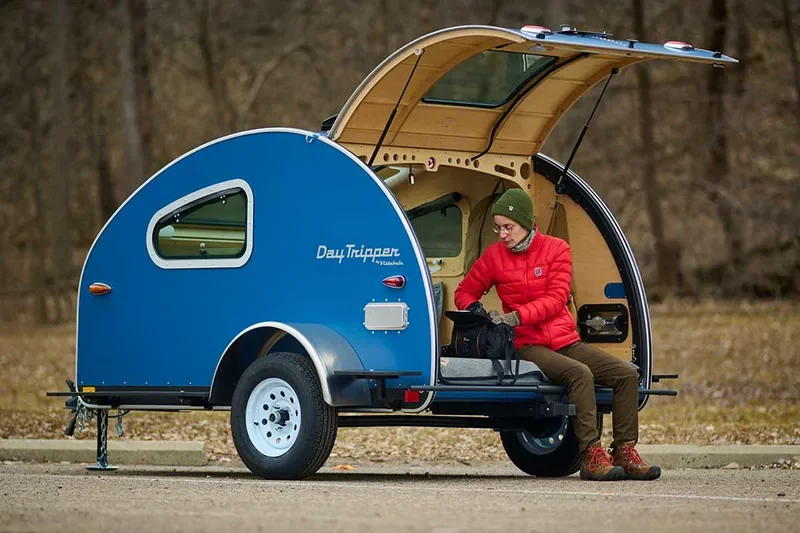
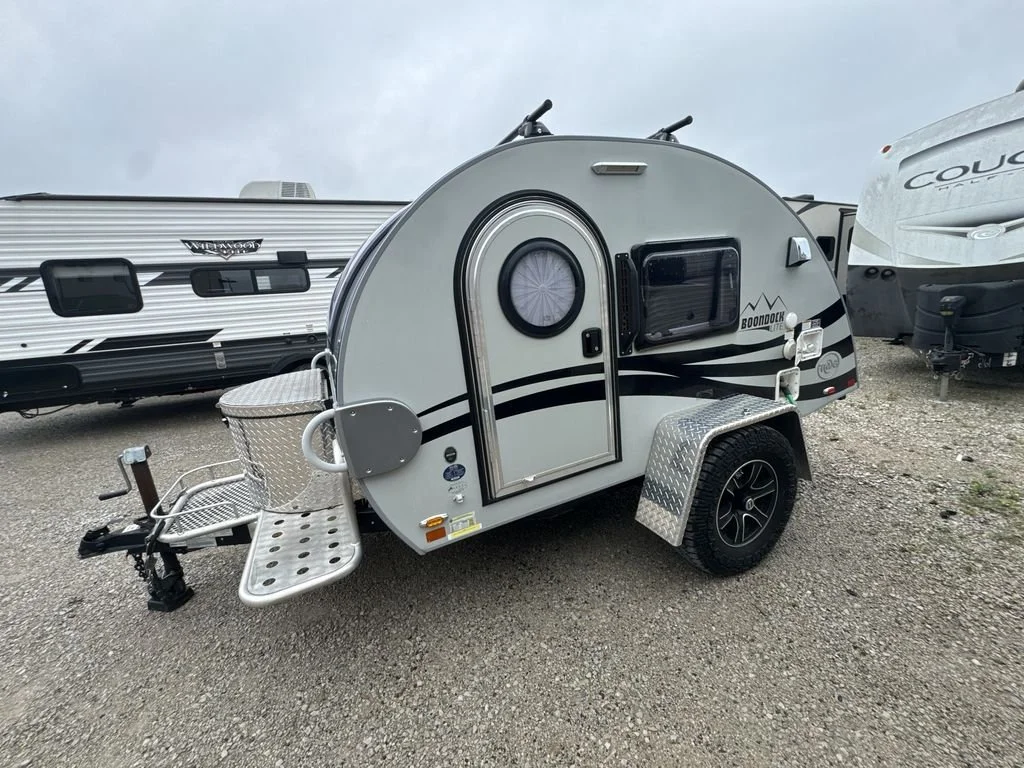
Most Teardrop trailers look very utilitarian and they almost all feel the same. This doesnt align well with people who love their cars. They put so much effort and money into the aesthetics of their car just to be pulling a trailer that is just an extrusion of a simple teardrop shape.
Teardrop trailers were invented as a DIY project in the 1930s. I believe taking this product back into its era and understanding of beauty would benefit the project greatly.
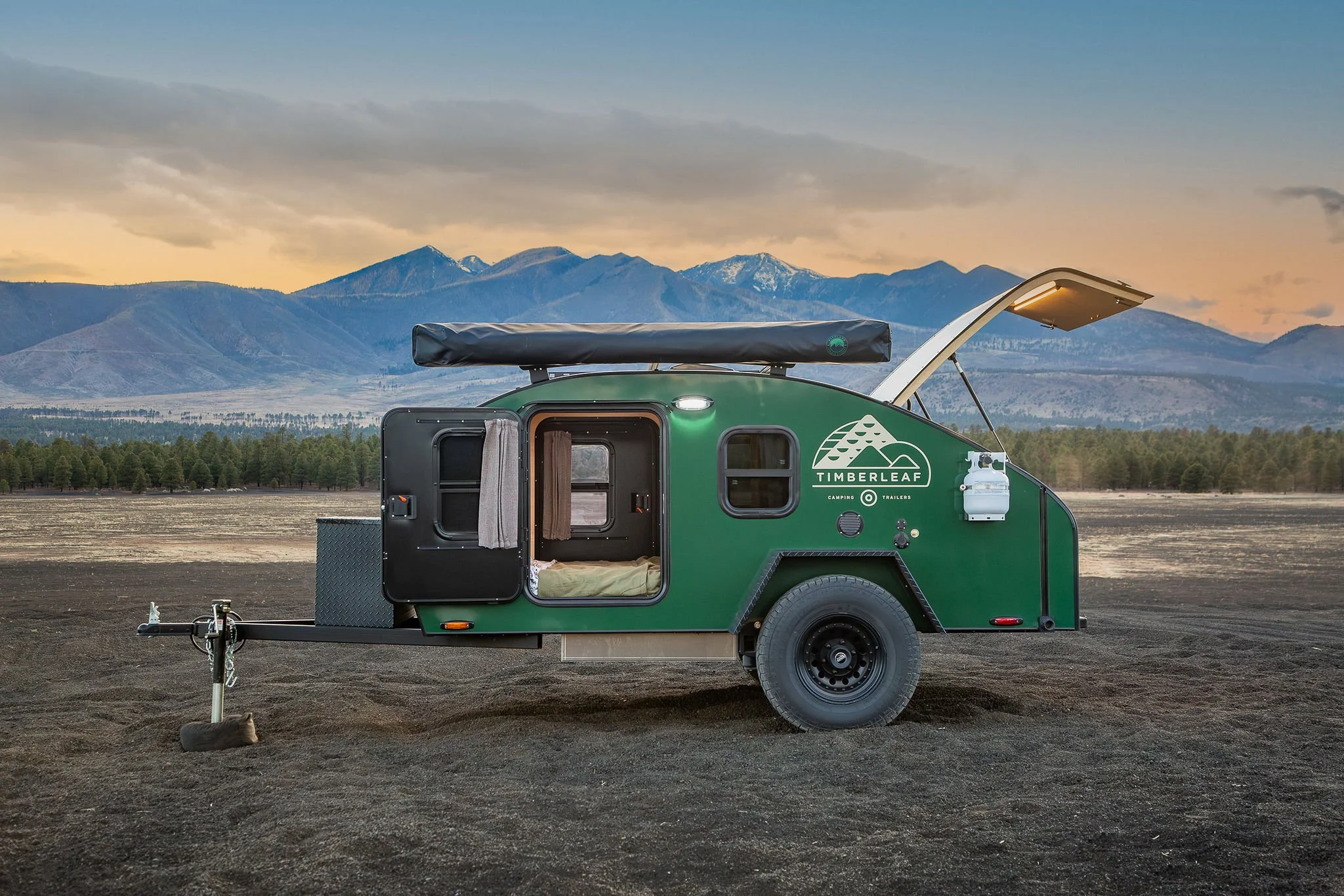
Persona

Aslı & Mert
Director – Business Owner
36 – 36
Married, No Children
University Graduates
Character Traits
Aesthetics > Function
They continue using their old car despite the constant need for repairs because of its appearance and character.
“What do you mean there’s no hot water?”
They value comfort and have little to no camping experience.
They are interested in art, listen to old music, and regularly visit exhibitions.
Emotional Attachment to Products
They tend to form strong emotional connections with products they love, particularly those that reflect their personal style.
They have an appreciation for nostalgic and vintage products.

Community
Classic car enthusiasts often belong to clubs or communities where they organise events and activities. They communicate through platforms such as WhatsApp and Facebook.
Membership may require the car to meet certain age and maintenance criteria. Once they become members, their car also becomes a representation of the community they belong to.
Needs
A mobile environment where they can spend time away from home 2–3 times a month.
To feel at home in their caravan, both aesthetically and functionally.
To maintain their everyday habits with minimal compromise.
The freedom to camp in more secluded locations outside designated campsites when desired.
To be recognised within their community.
A strong visual and aesthetic connection between the caravan and their car.
Inspiration
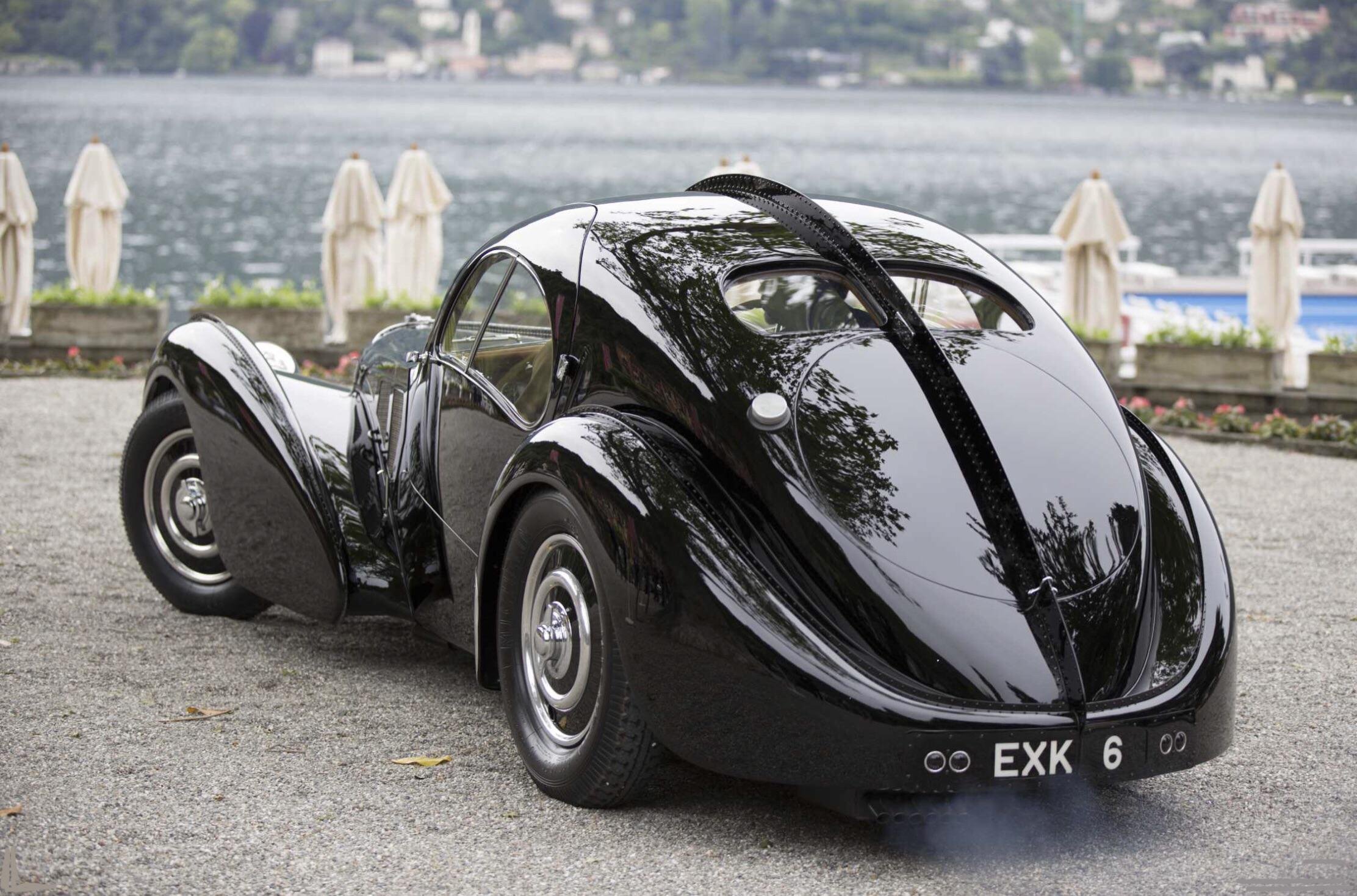
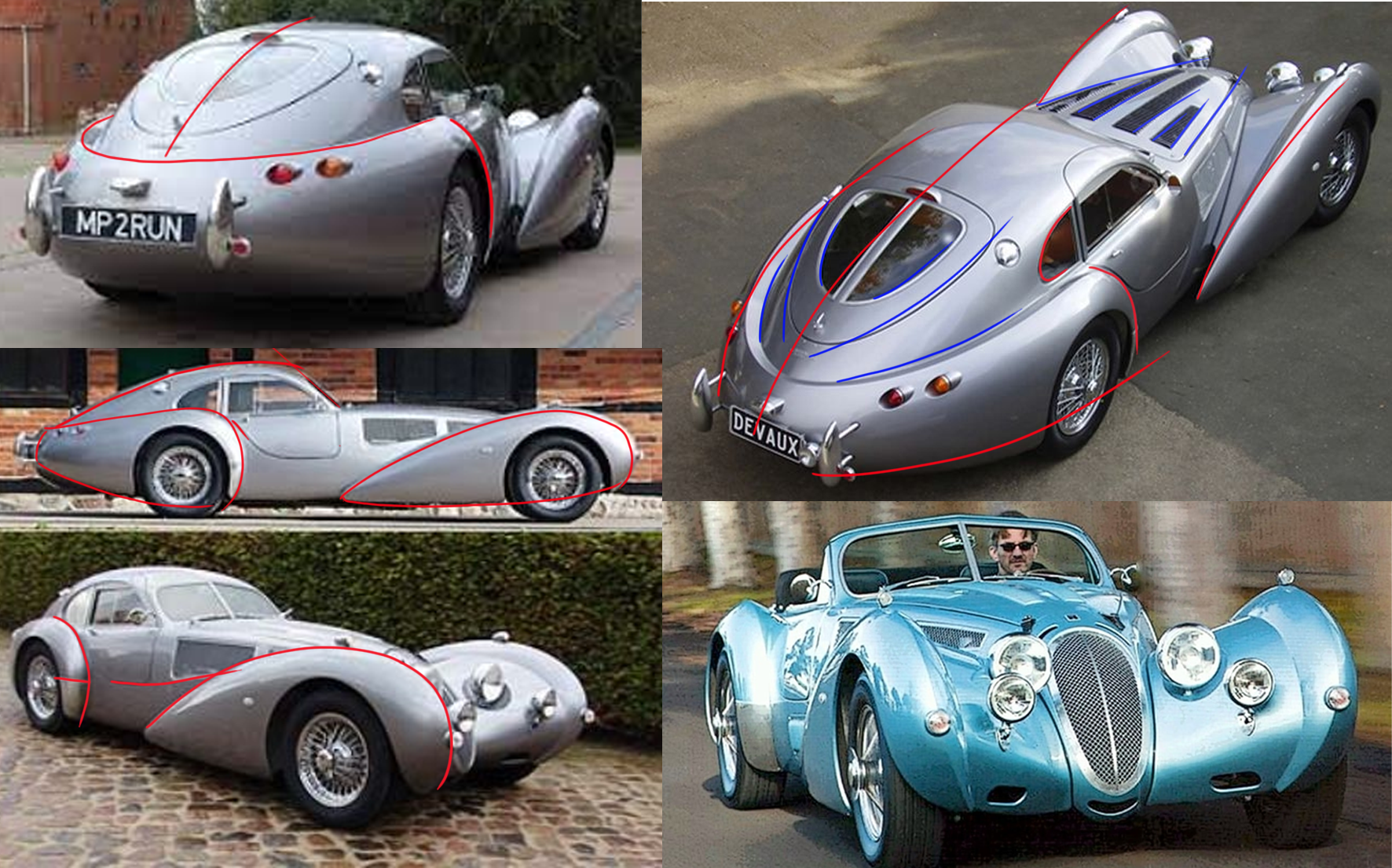
Type 57 - Jean Bugatti
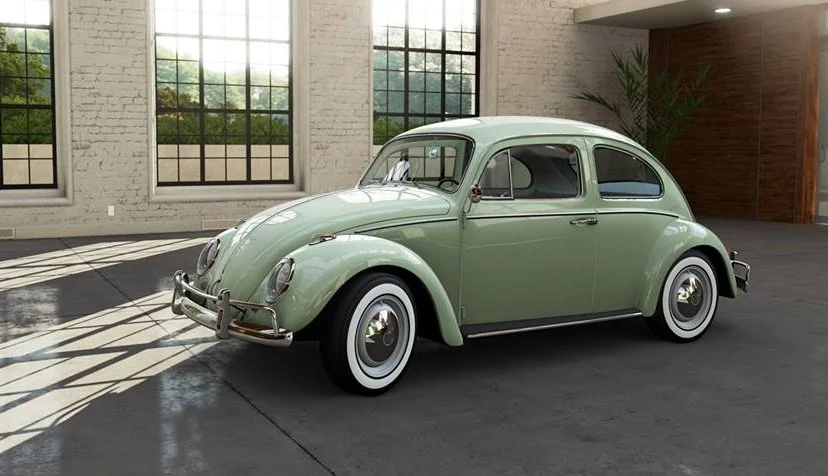
Volkswagen Beetle - Ferdinand Porsche

Devaux Coupe - David Clash
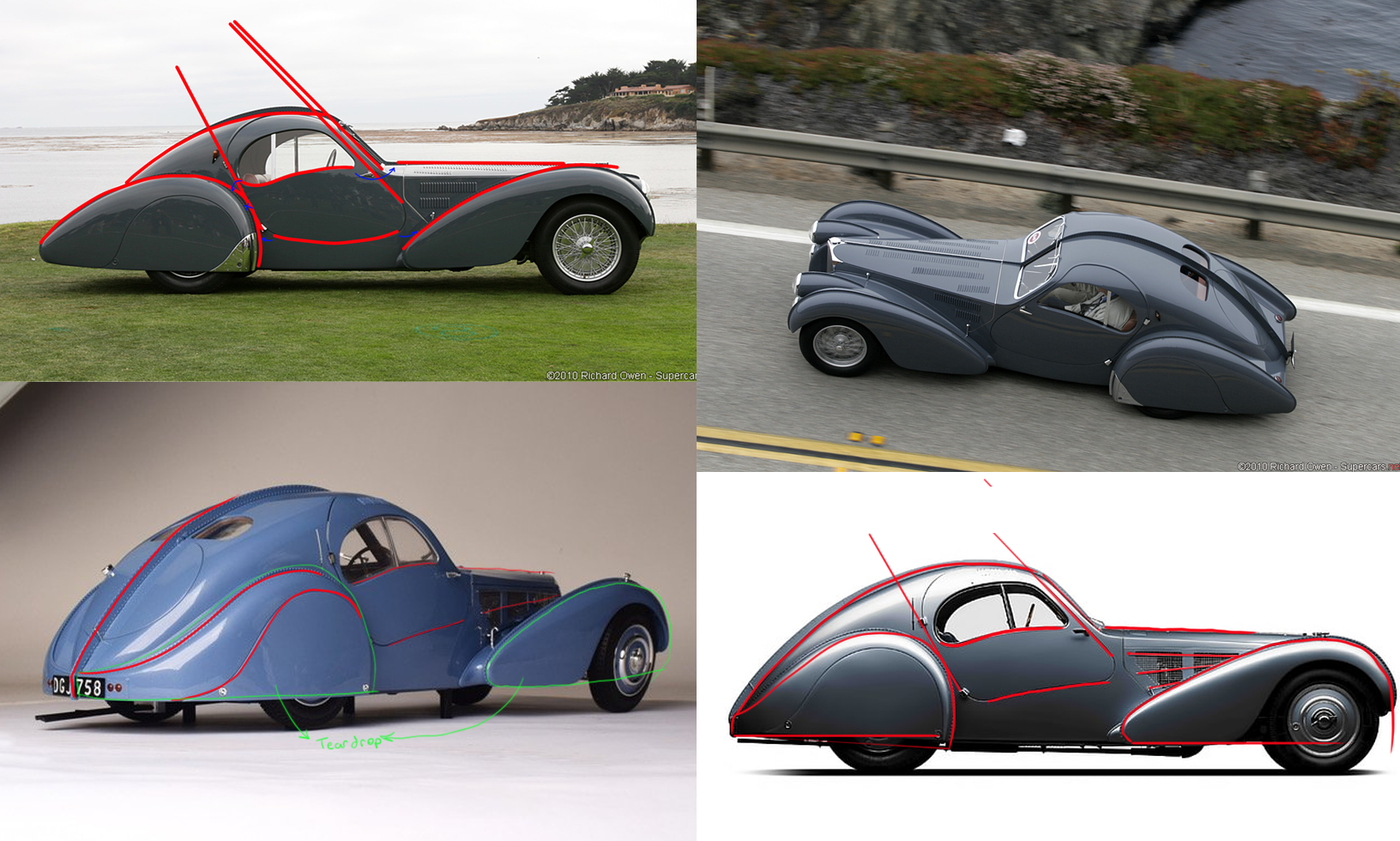
Topology Analysis
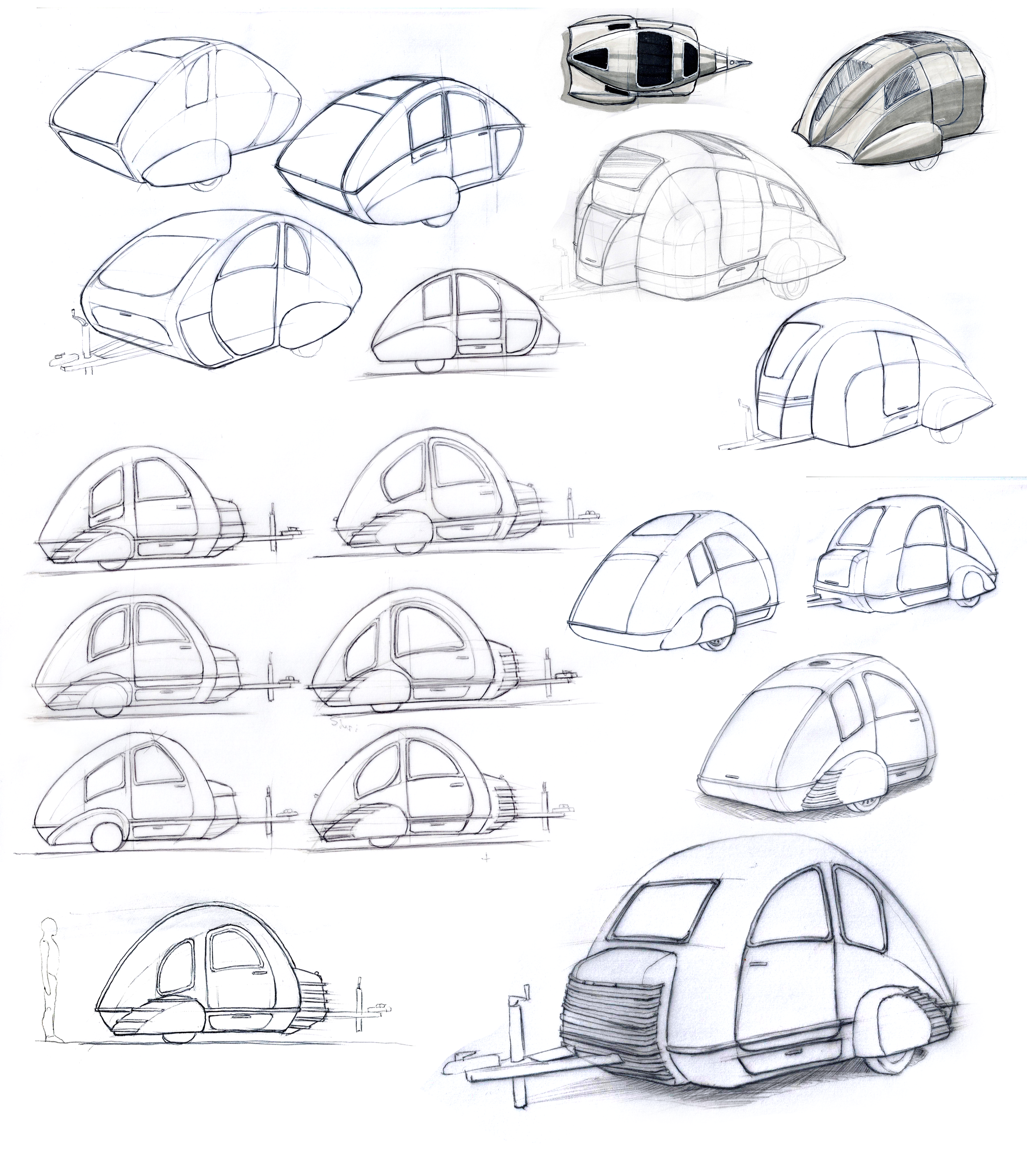
Sketches
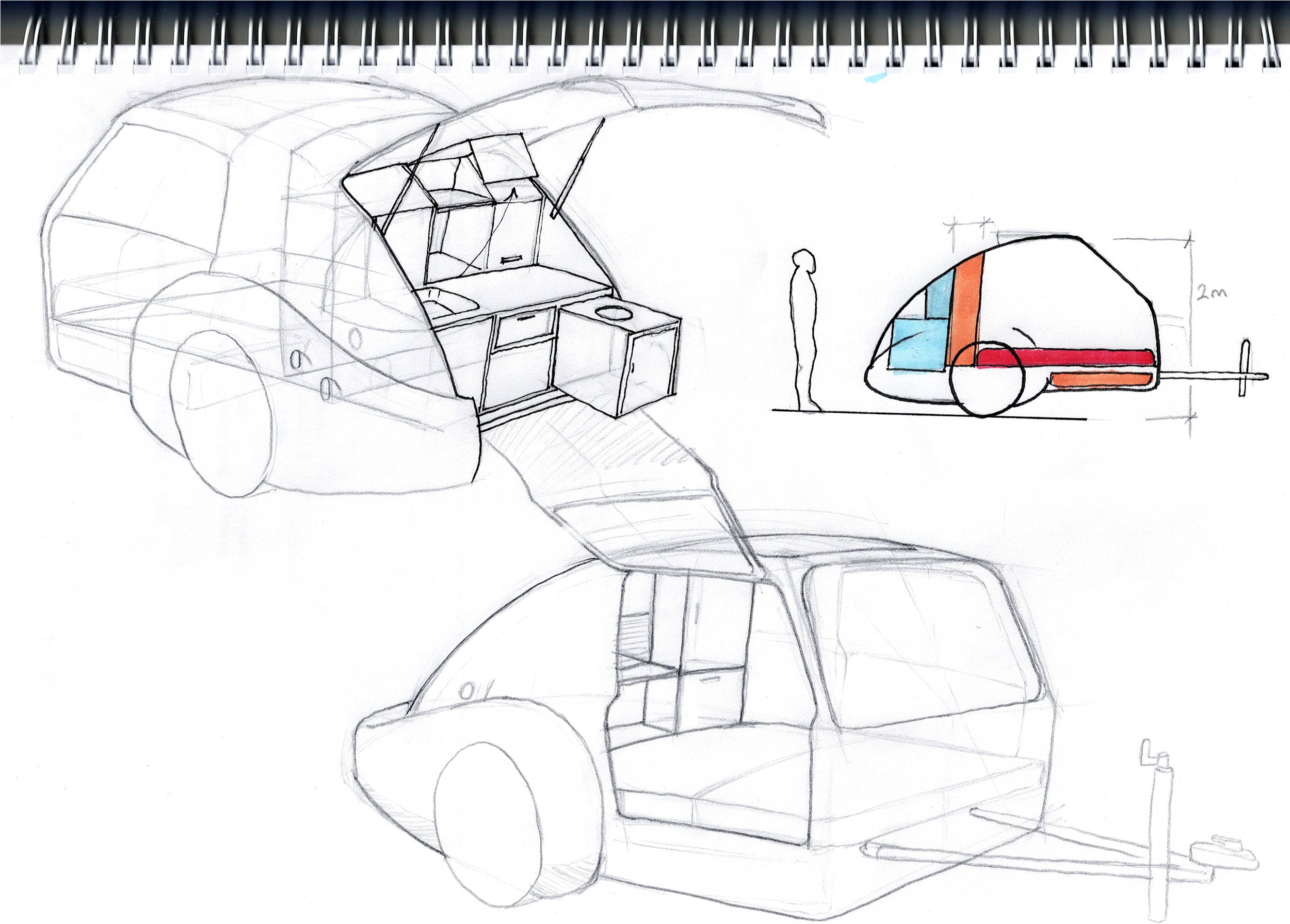
Final Product
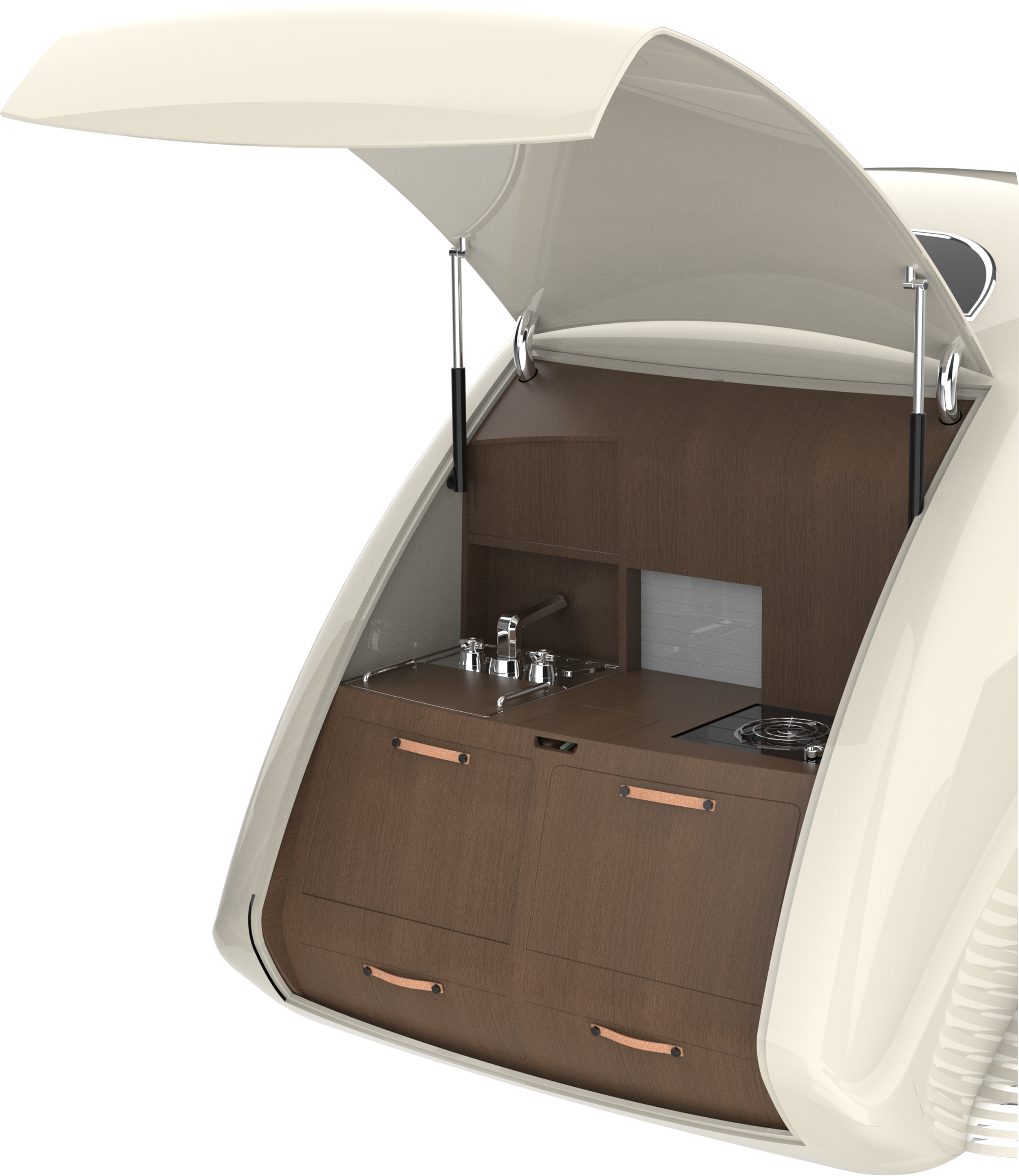
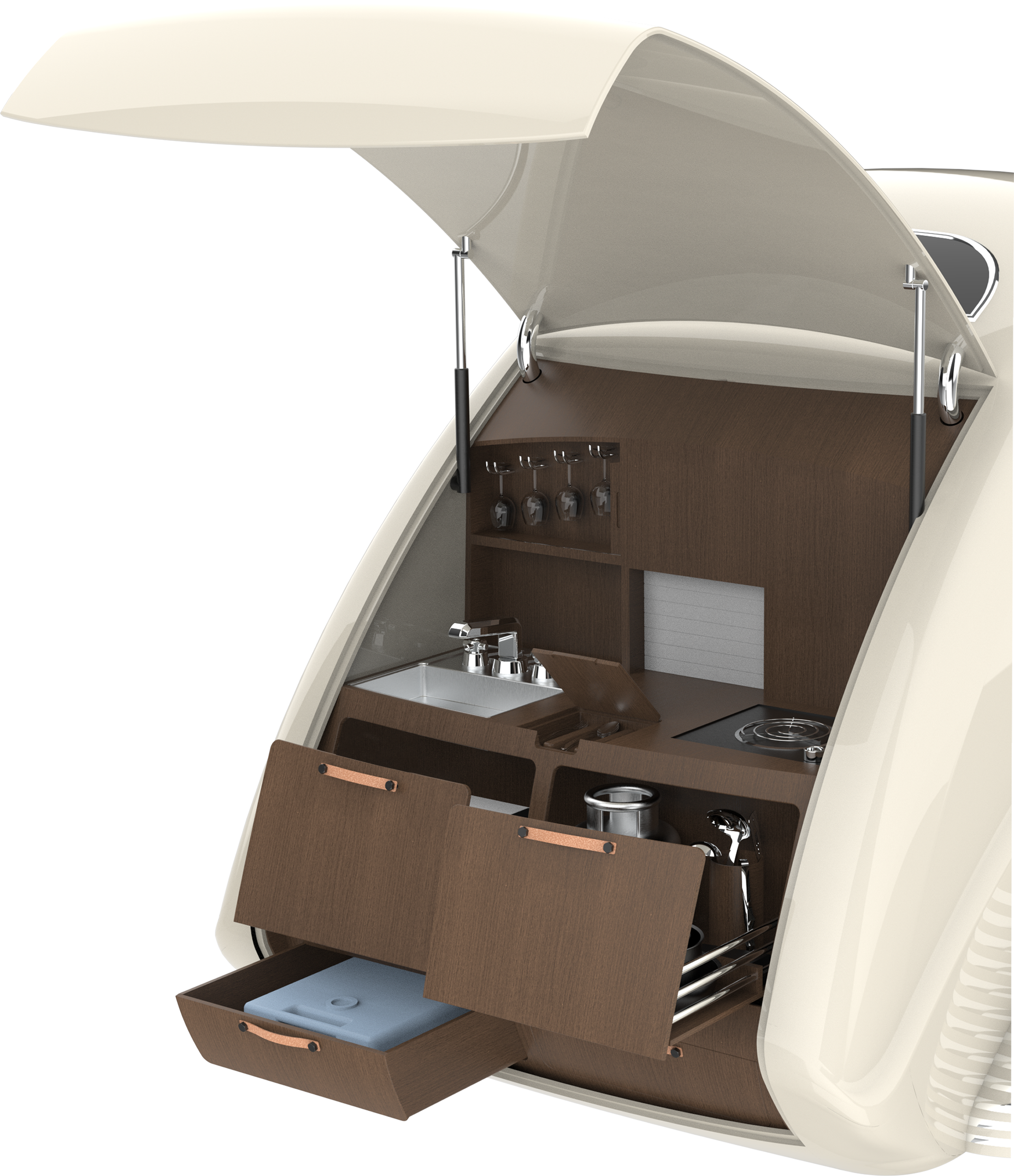
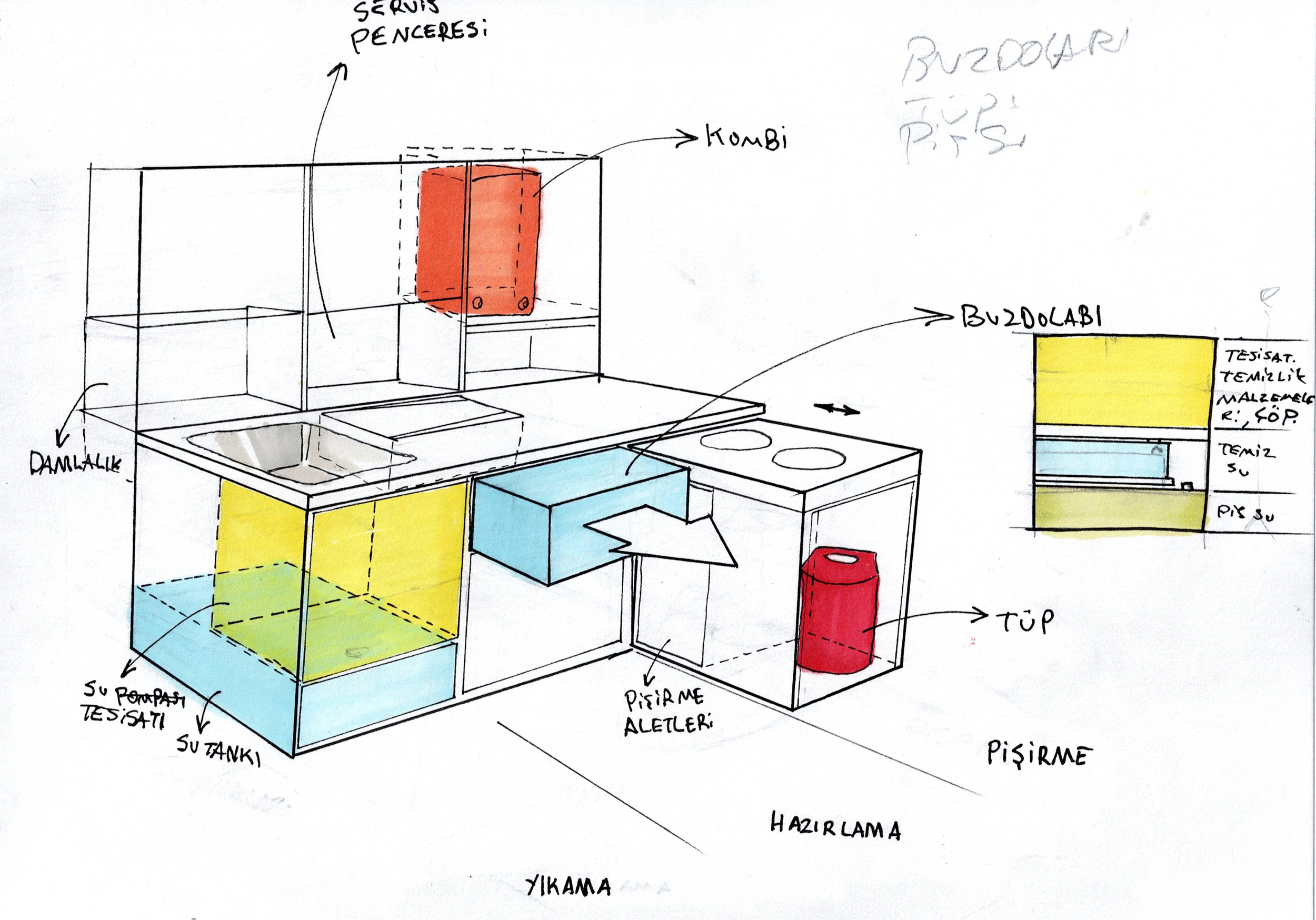
Kitchen Section