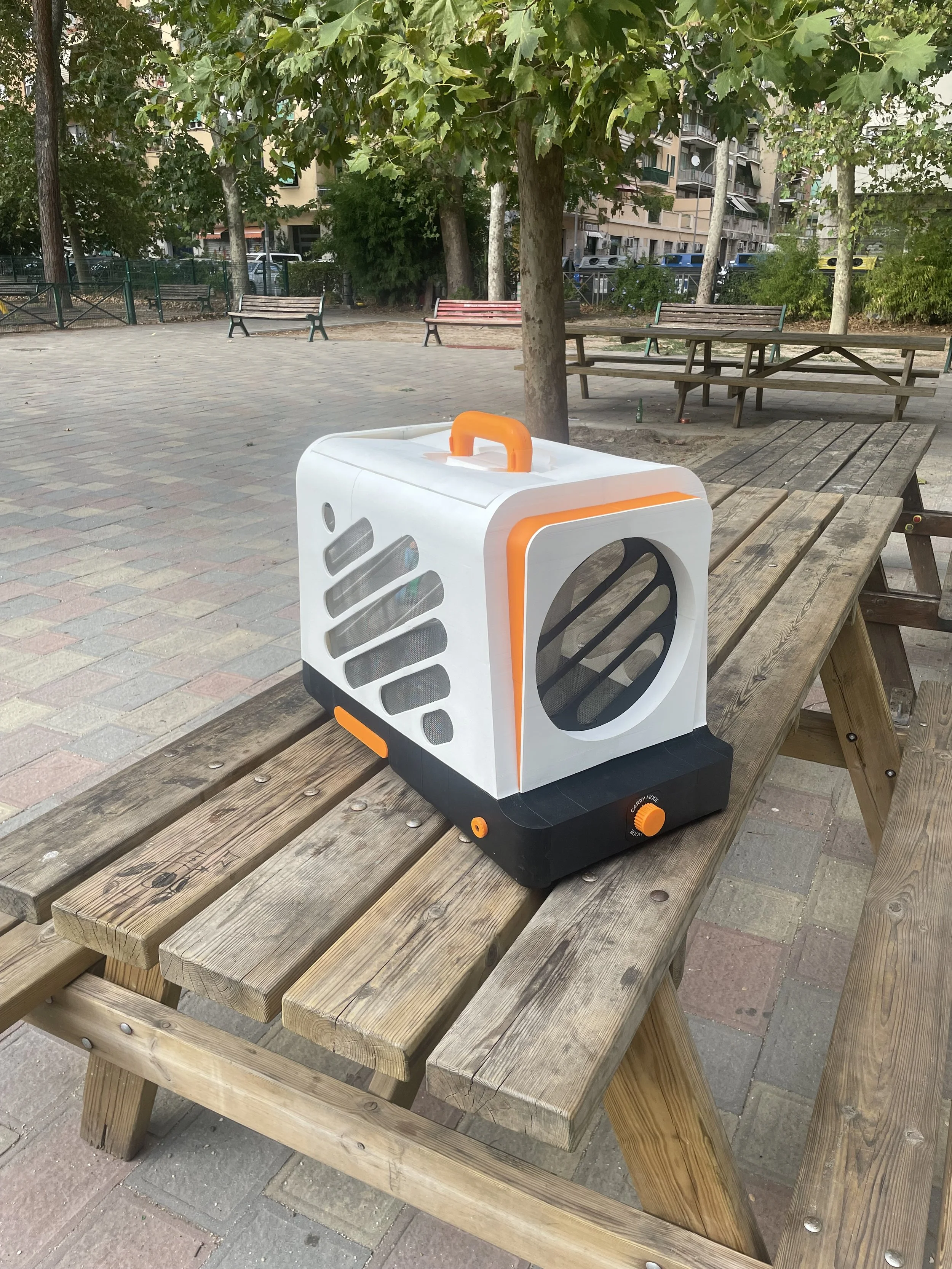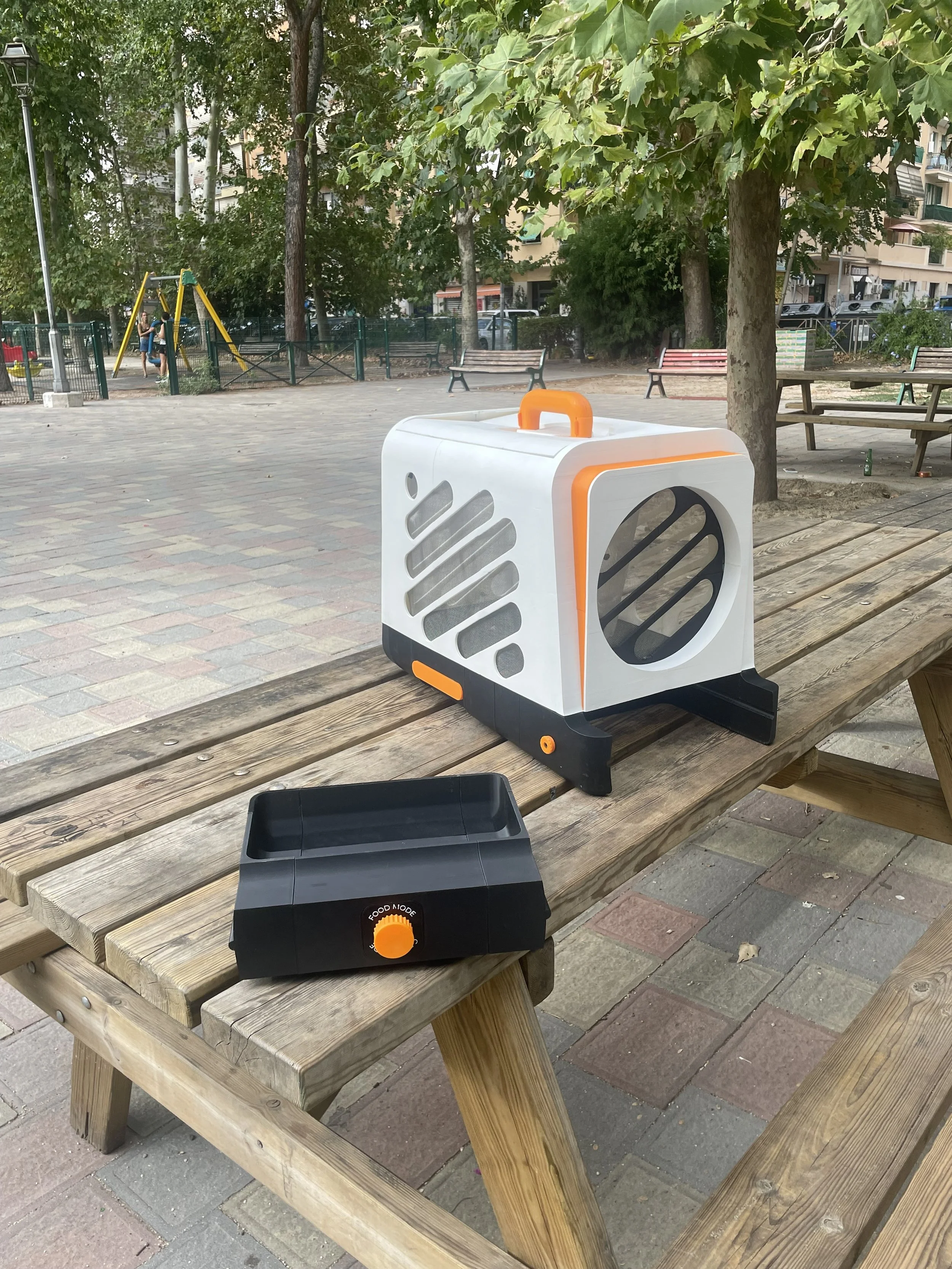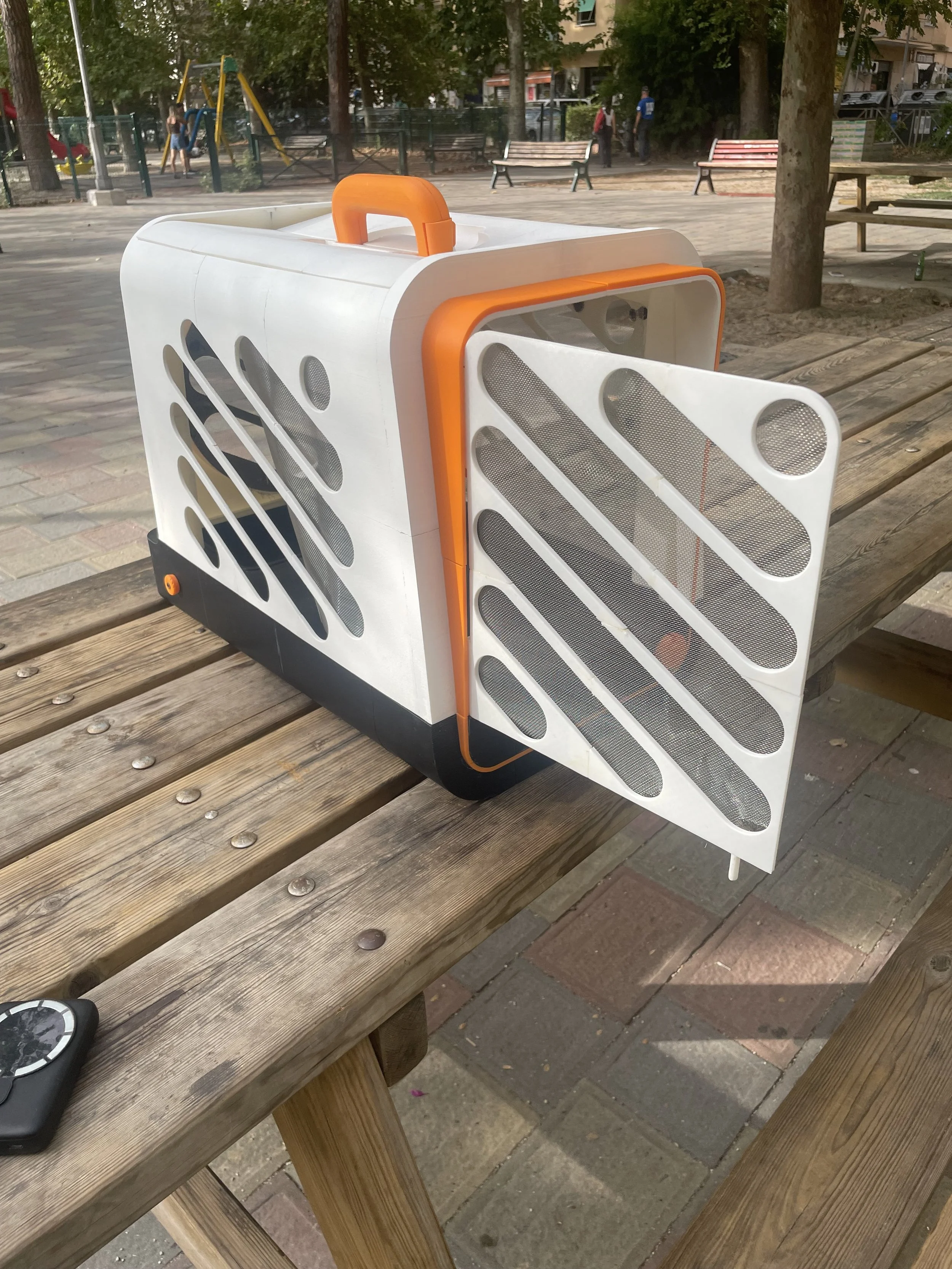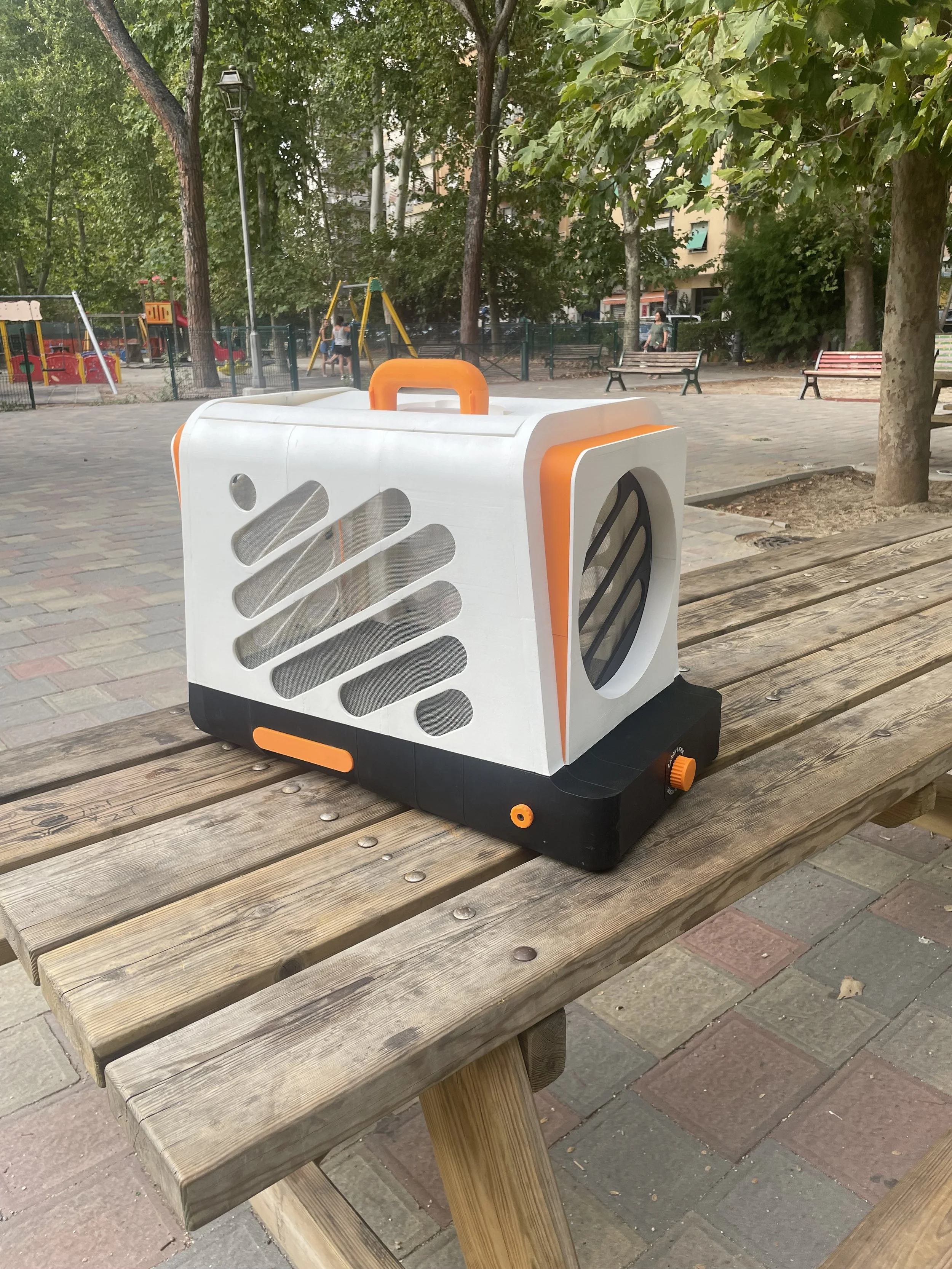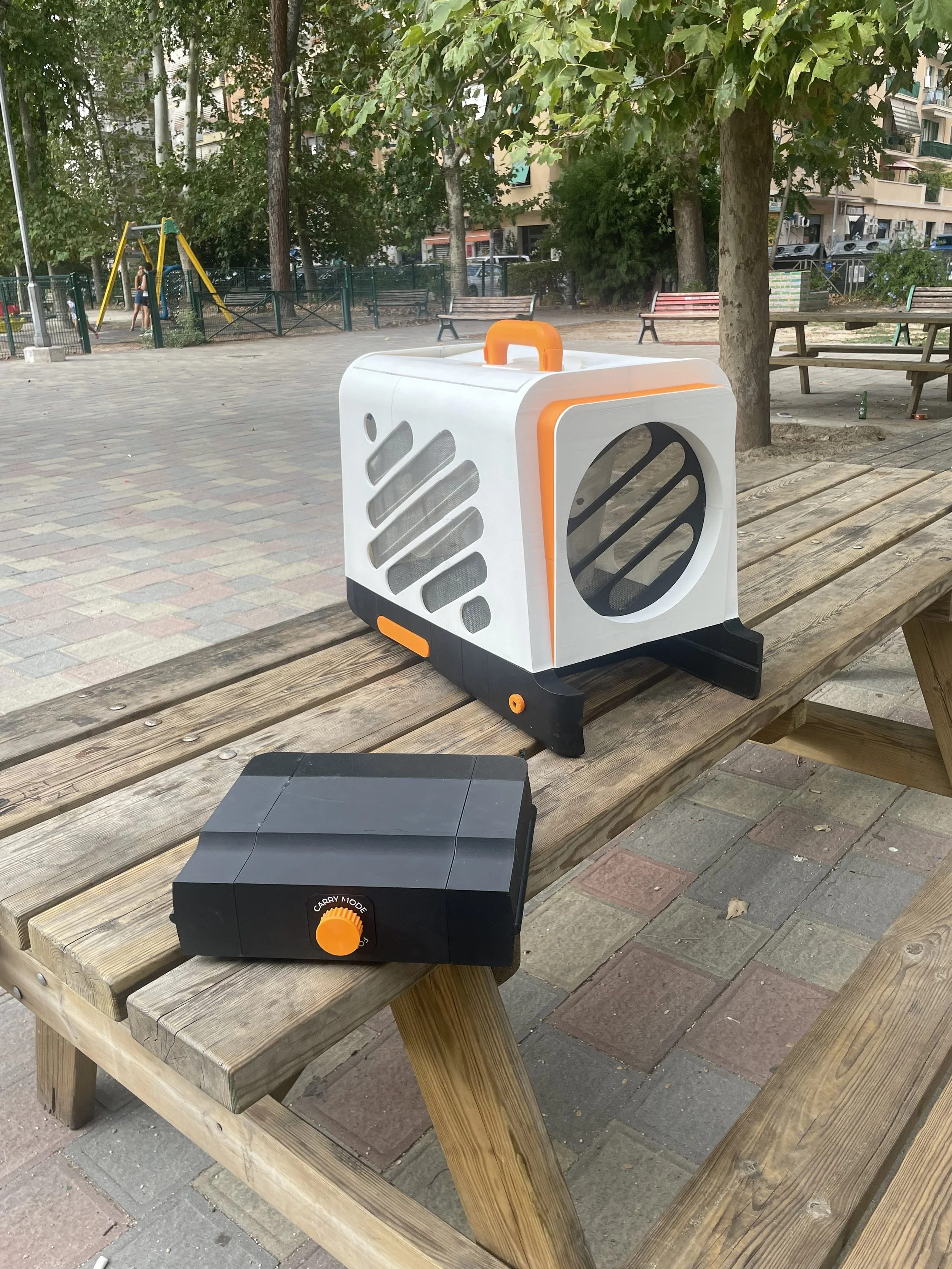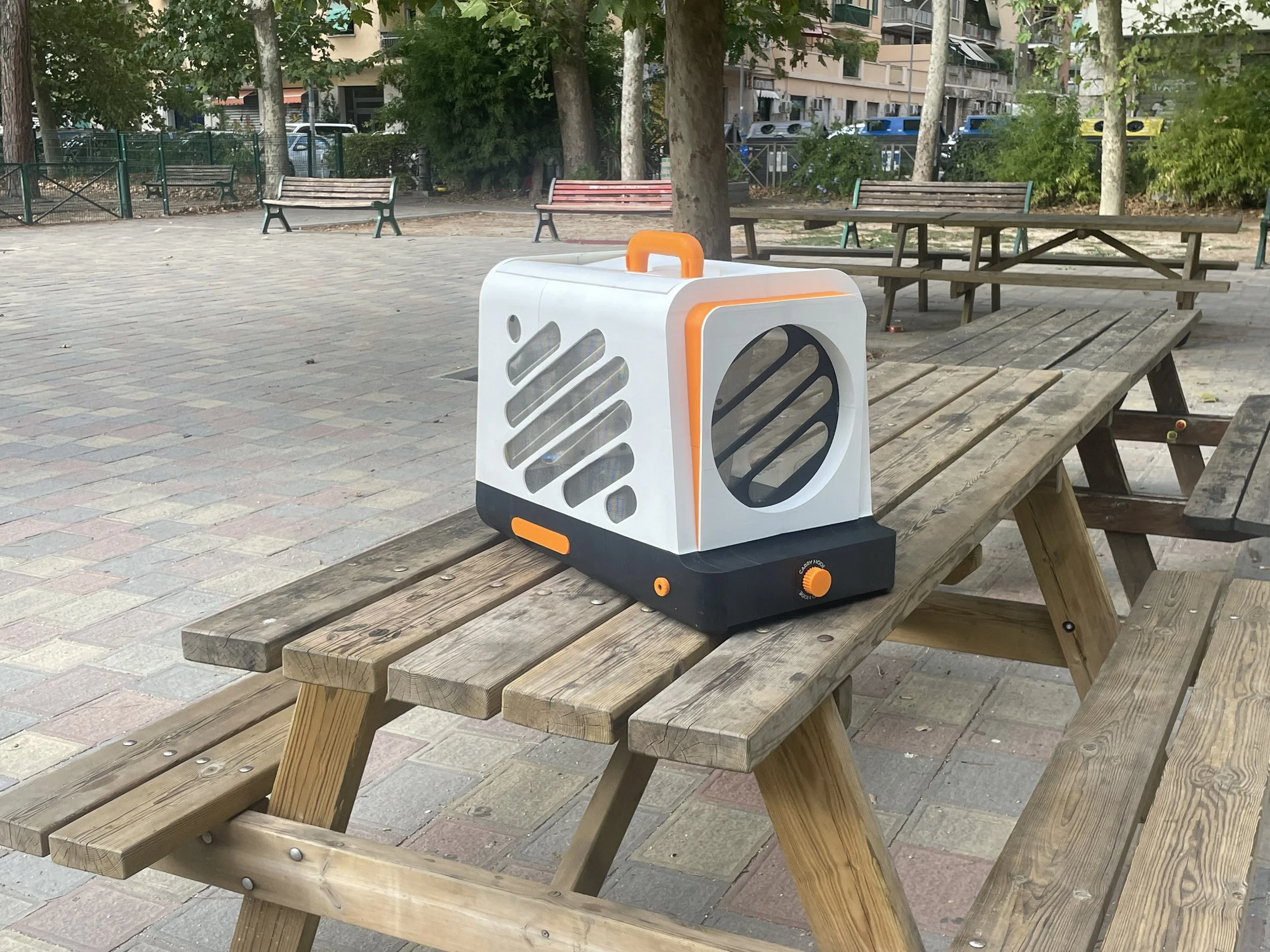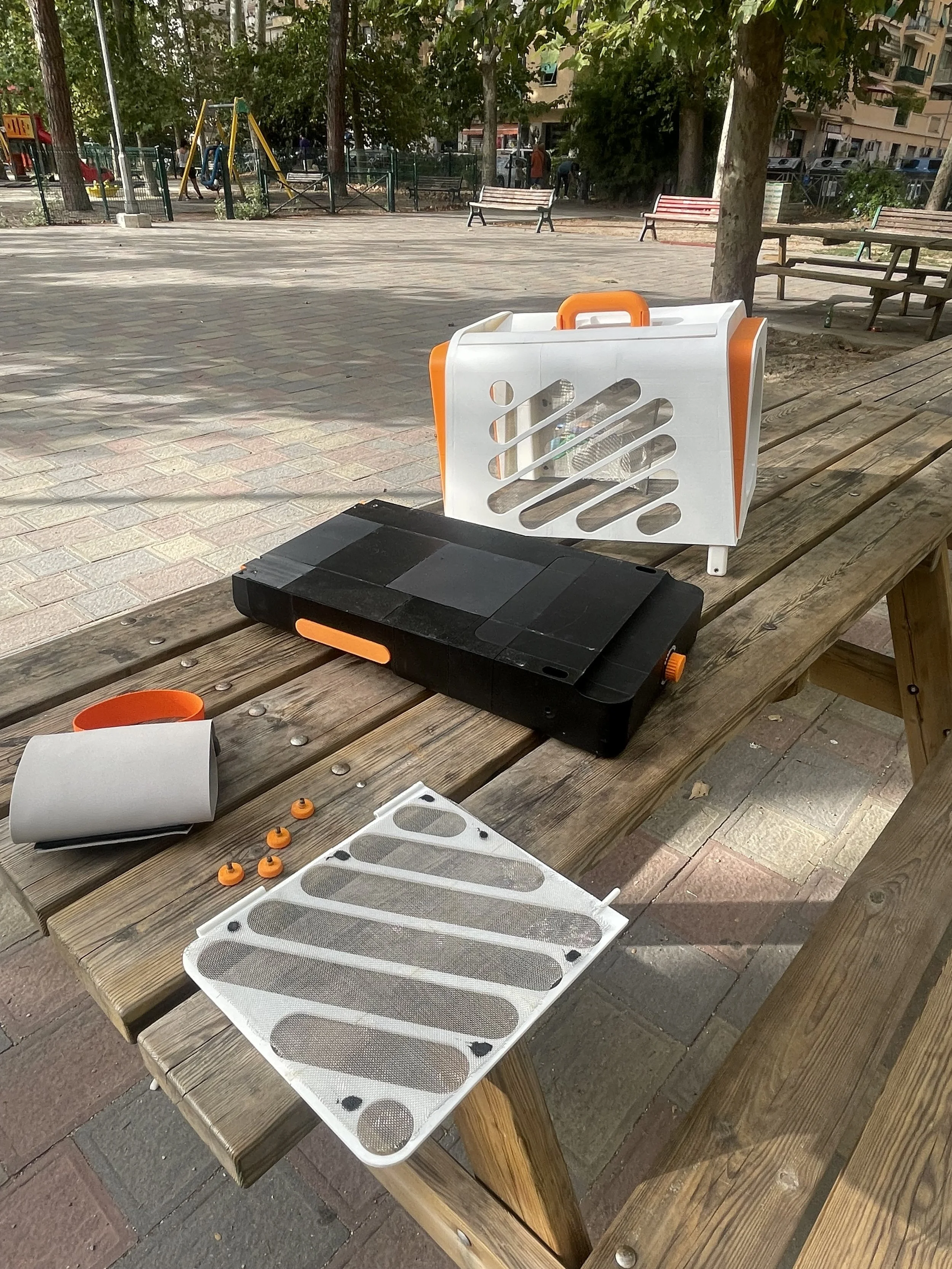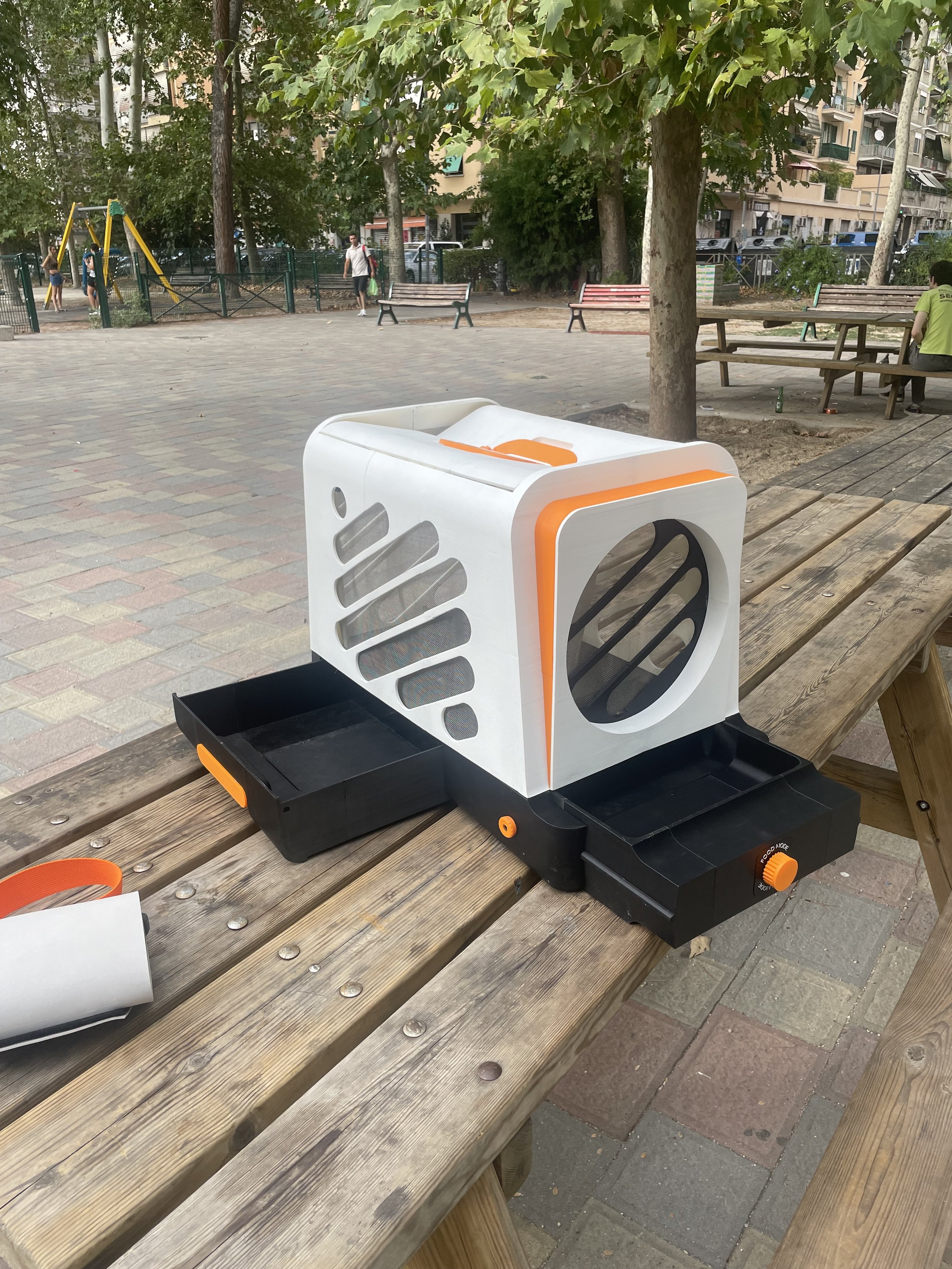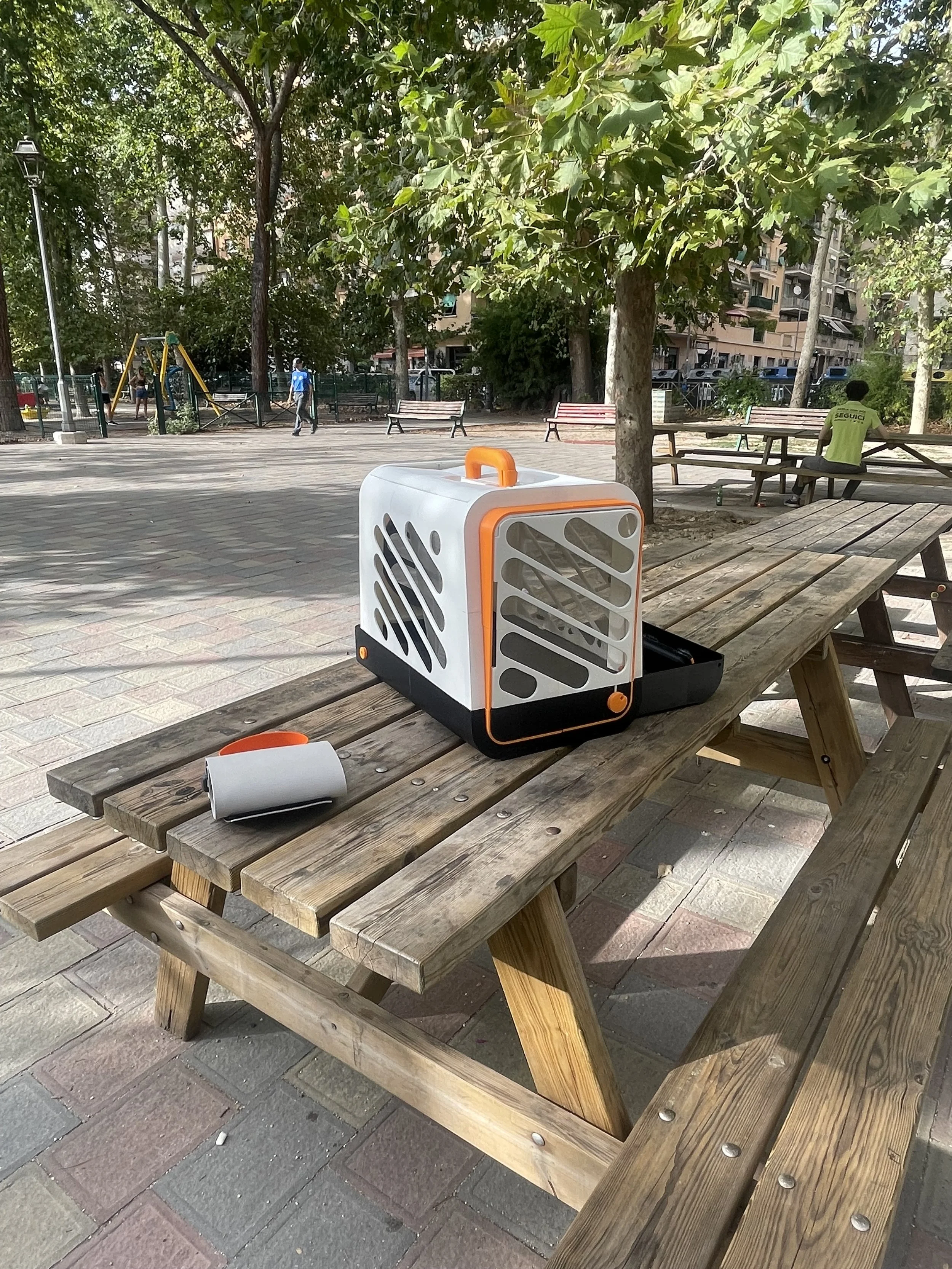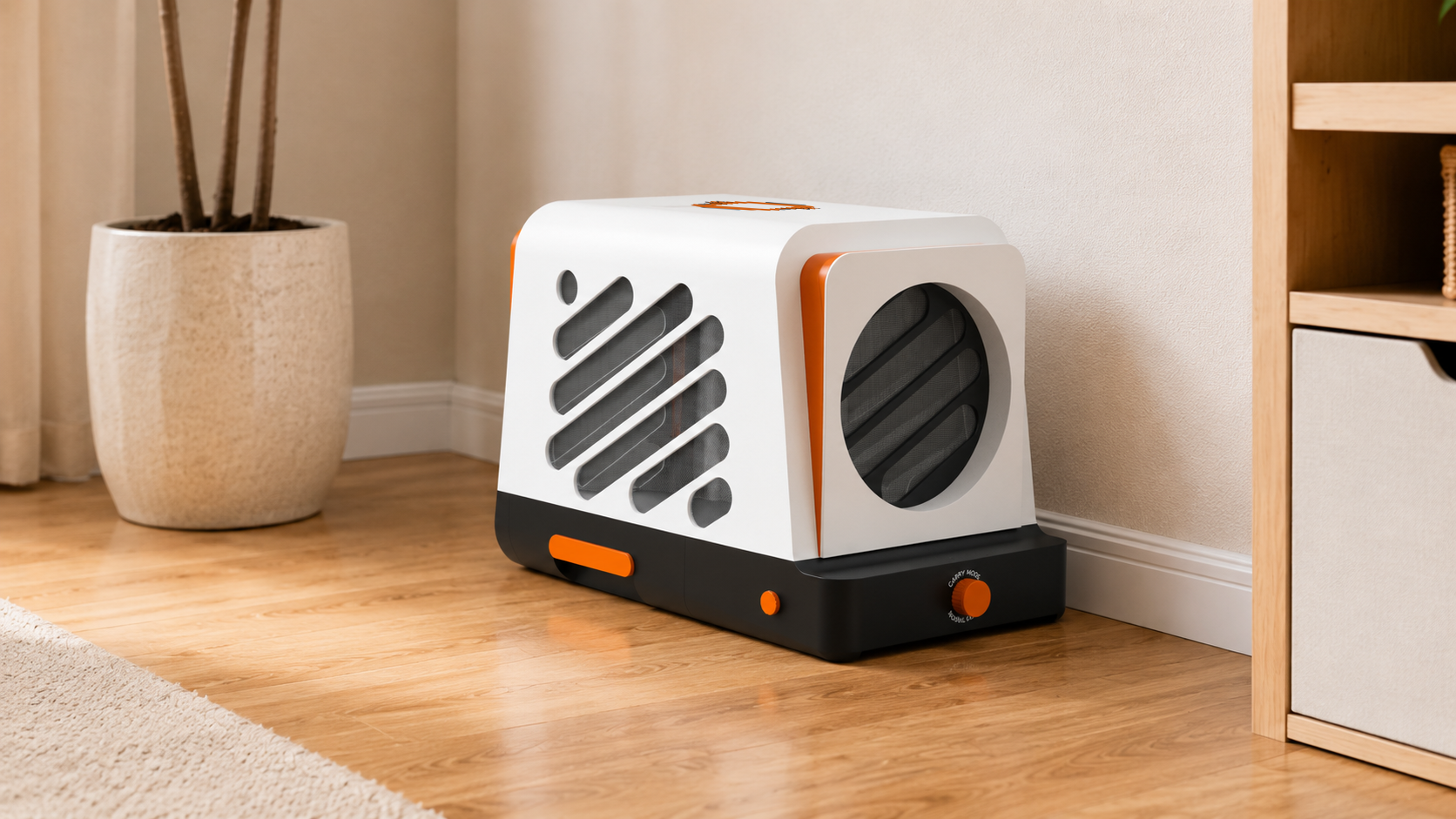
This product helps cats and owners safely evacuate during emergencies by supporting preparation, locating and securing the cat, transportation, and integration with existing shelter infrastructure.
Pet Cat Evacuation Tool Kit for Earthquakes
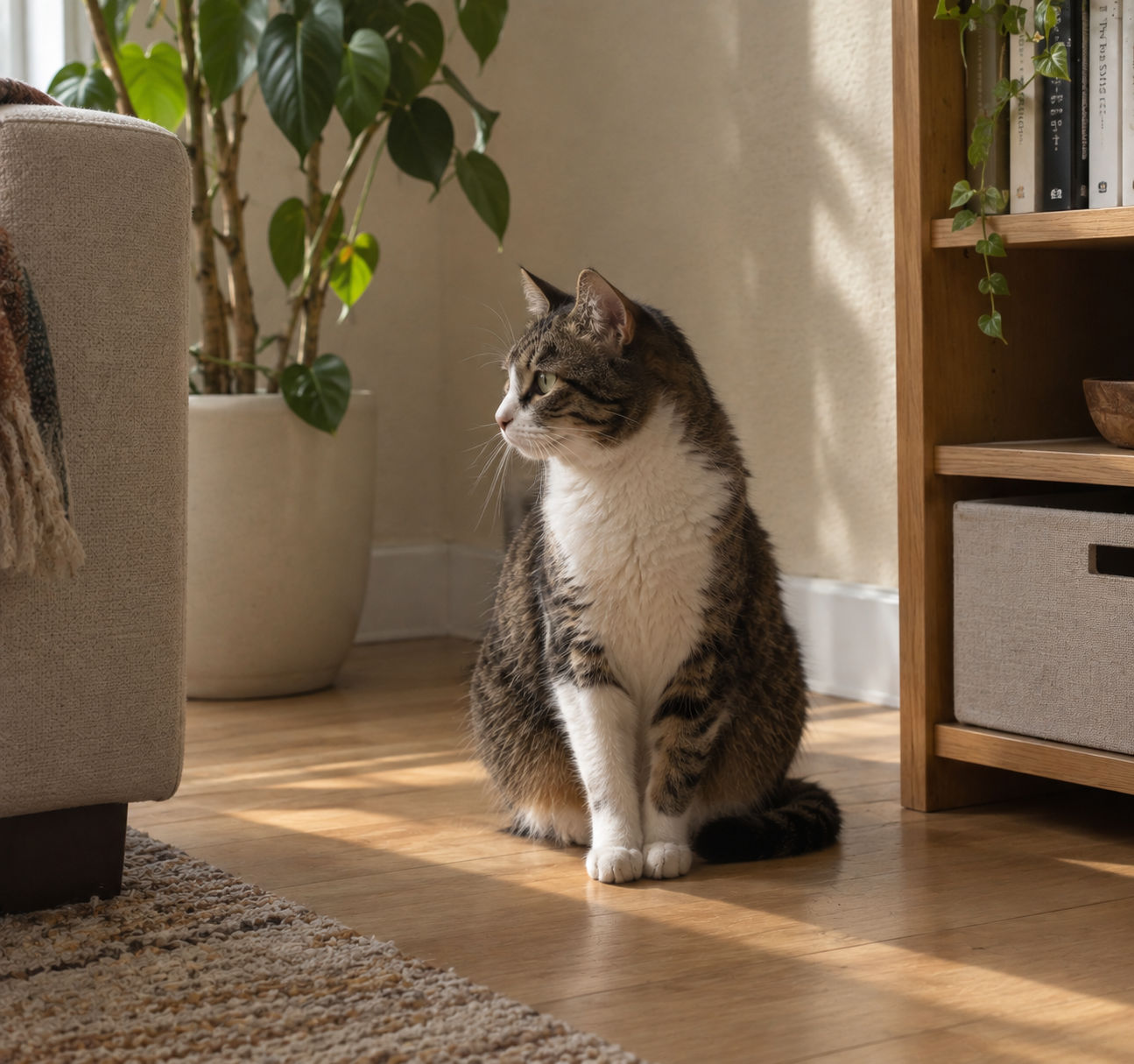
PROBLEM DEFINITION
I wrote a 4000 word Design Research Paper for this project. this part is a summary of my findings.
-
The most important problem happens immediately after the earthquake. Cats may freeze, resist handling, hide or become aggressive. These situations can happen when the caregiver is under stress and anxiety, forcing them to make decisions under time pressure.
-
In the research paper, it is clearly found out that awareness does not lead to immediate preparedness. Most people reported that they have partial kits while a minority reported they have a complete plan with a full kit.
-
The lack of motivation for preparing is already strong with distractions and procrastinations from everyday life. The existing products in the market does not adress the problem as a whole, rather they adress only one problem. This raises the required effort in the preparation process.
-
The carrier itself can be a stress trigger. If the cat sees the carrier only before vet visits or stressful travel, it may not be registered as a safe space for the cat.
-
It would only be useful if the product was easily accessible during emergency. In the research, it turned out that many people put their carriers in storage, many reported that it would be inaccessible during an emergency?
-
During an earthquake humans tend to be anxious and under stress, especially if their companion animals are in danger. This renders them unable to use complex products. The participants of my focus group interview stressed that the product should be self explanatory and intuitive.
-
Evacuation does not end when they leave the building. The cat may need to stay in a carrier, wait in a gathering area, or be separated from the owner. There are also requirements for entry in animal accepting emergency shelters like, a few days of food and water, vaccination records etc.
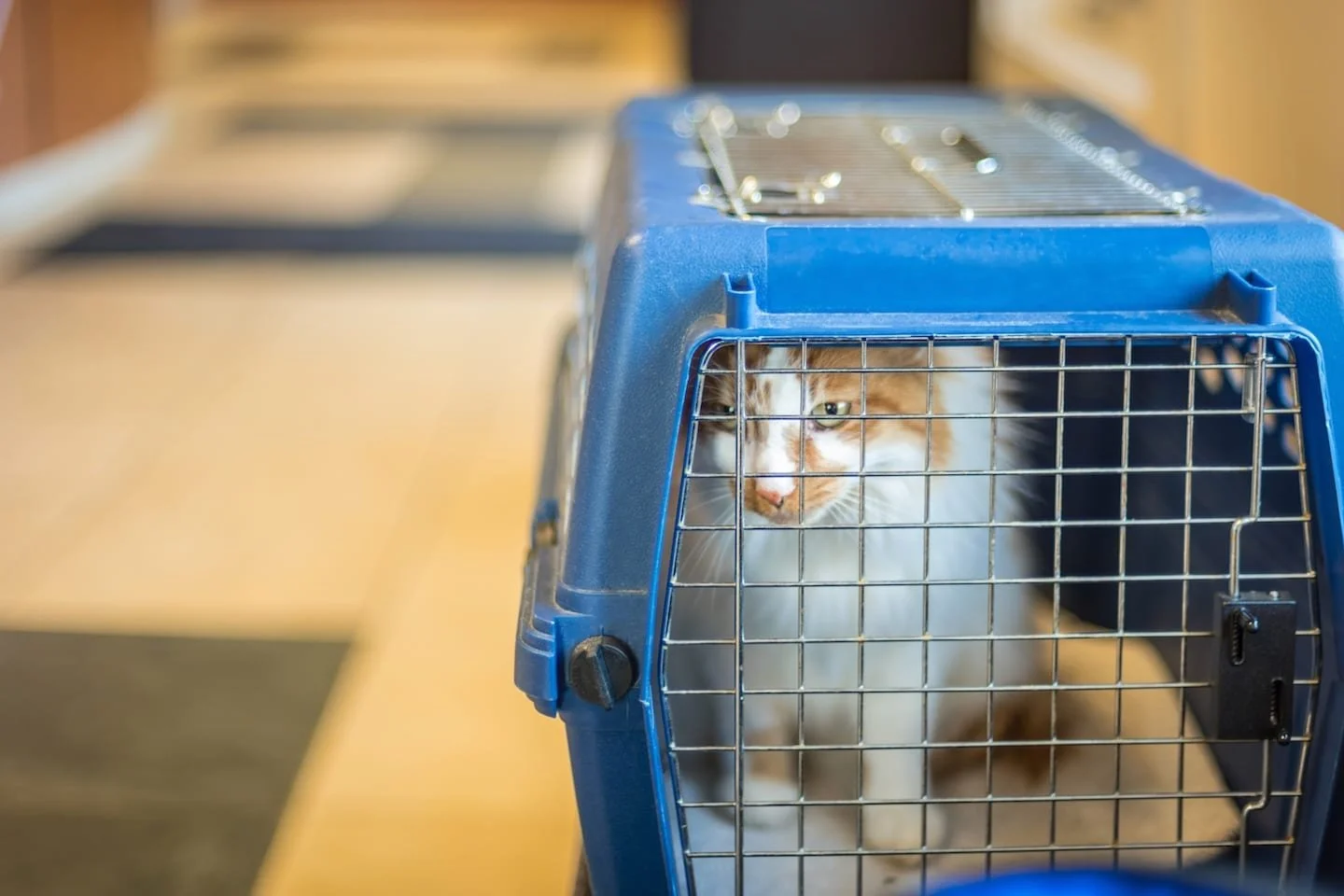
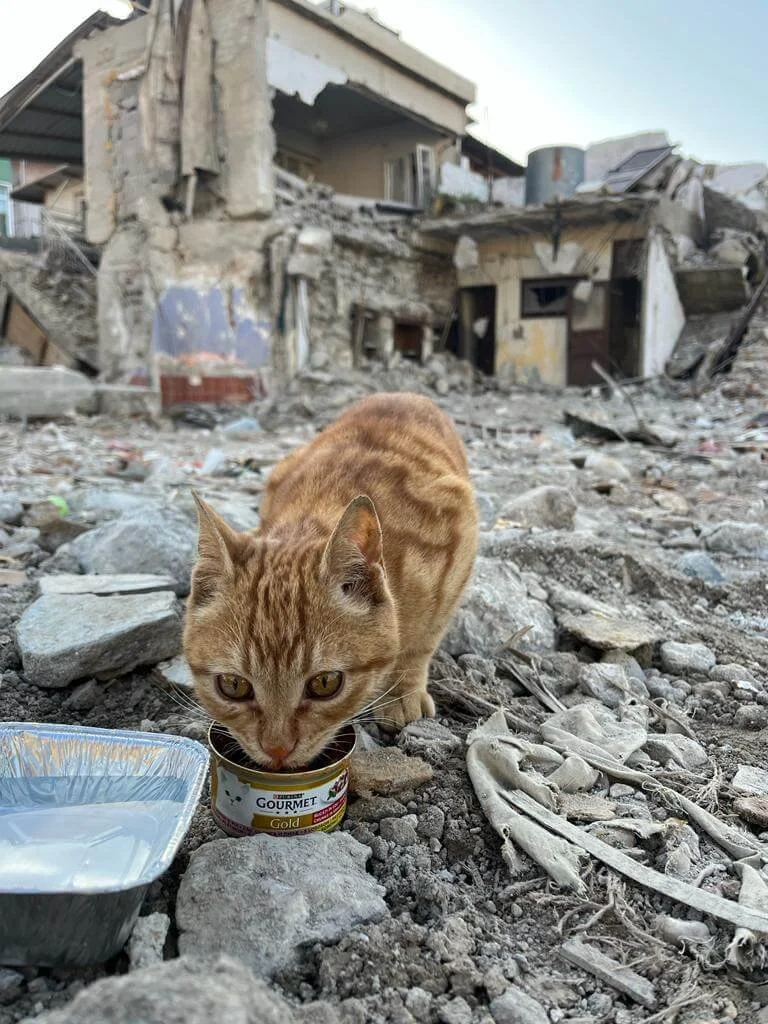
Image Source: PETA
In United States, the Pets Evacuation and Transport Standarts Act (PETS) was established after Hurricane Katrina to include companion and service animals in disaster planning.
“...this study suggest pets may instead play an important role as a protective factor for disaster victims. Pets may be beneficial during the recovery phase to cope with PTSD.” (Tanaka et al.,2019)
Image Source: Michelson Found Animals
“Evacuation failure was common in pet owners in this disaster. Some people remained in destroyed houses or returned prematurely to save animals, risking their lives.”(Tanaka et al., 2019)
“Pets are a recognized risk factor for evacuation failure and prematurely re-entering sites in other natural disasters.” (Tanaka et al. 2019)
If pets were not a nuisance, humans would greatly benefit psychologically from pets in a post evacuation situation.
Image Source: Four Paws Australia
WHY
“From an emergency management perspective pet owners are the people most motivated to protect their pets and potentially the most likely to take risks to evacuate with them or return to them.” (Taylor et al. 2015)
“Post Hurricane Katrina research indicated that 44 per cent of non-evacuees who chose not to evacuate did so because they didn’t want to leave their pets.”(Taylor et al. 2015)
“After the 2011 nuclear power plant explosions in Fukushima, Japan, some owners and animal rescue volunteers repeatedly returned to the radioactive contaminated areas to feed their animals.”(Kajiwara, 2020)
On my survey with 97 pet owner participants, I asked;
Have you or your pet ever experienced an earthquake before?
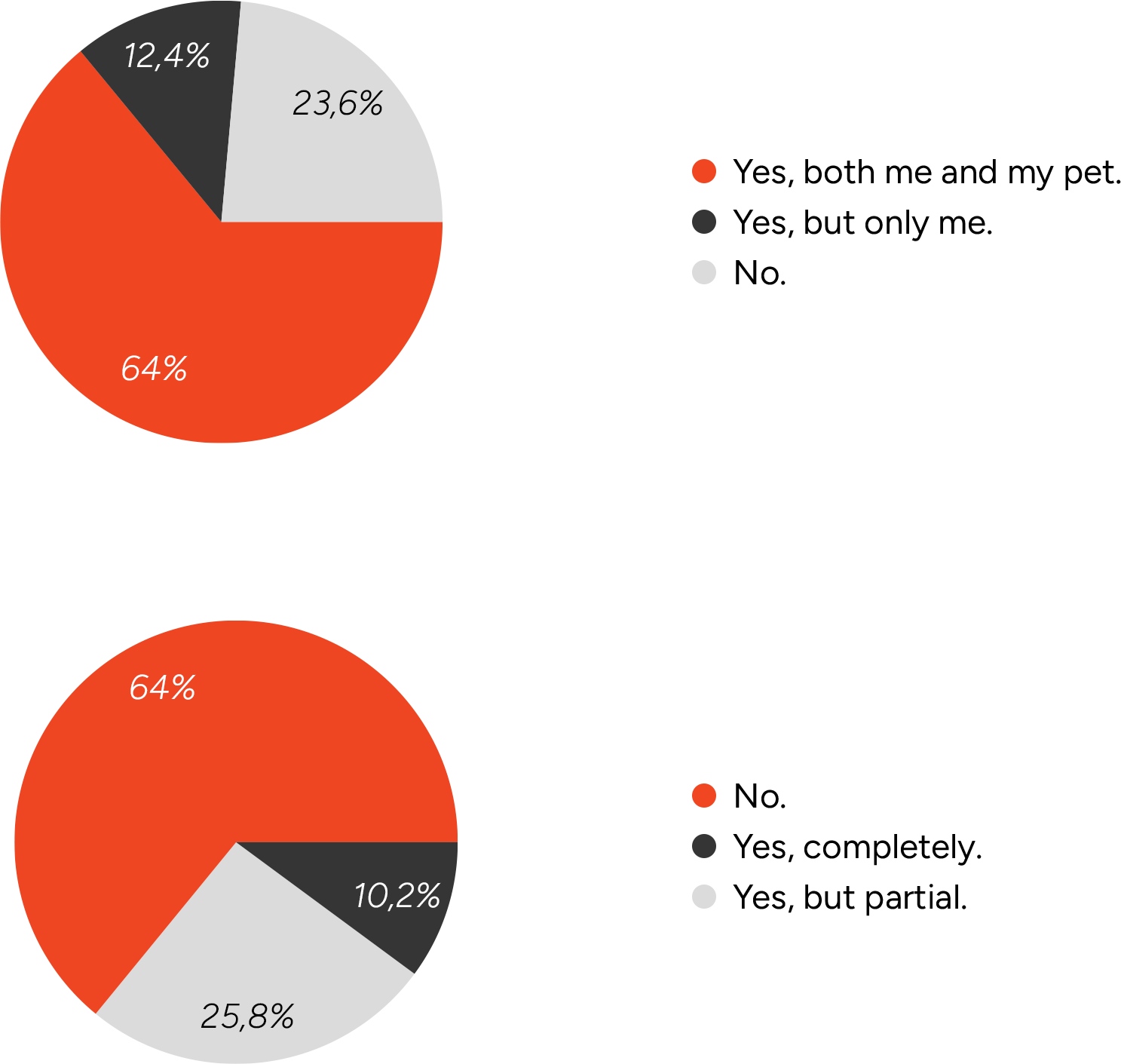
Do you have an emergency kit for your pet ready at home?
I made SWOT analysis on over 20 products, here are examples from each category. Existing products adress isolated needs, some partially. They are also missing one thing, which is carrier training. I see this as a potential for innovation.
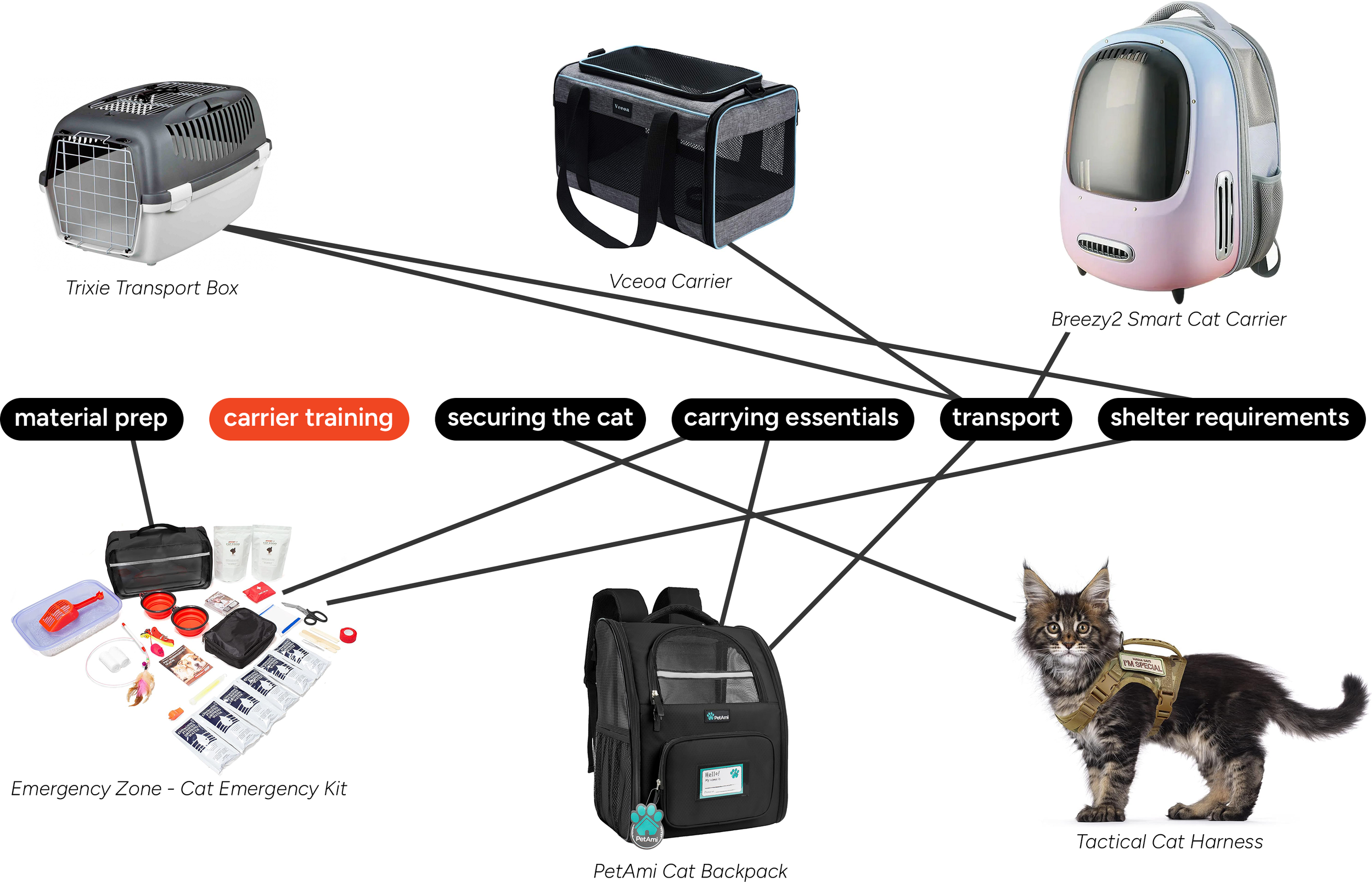
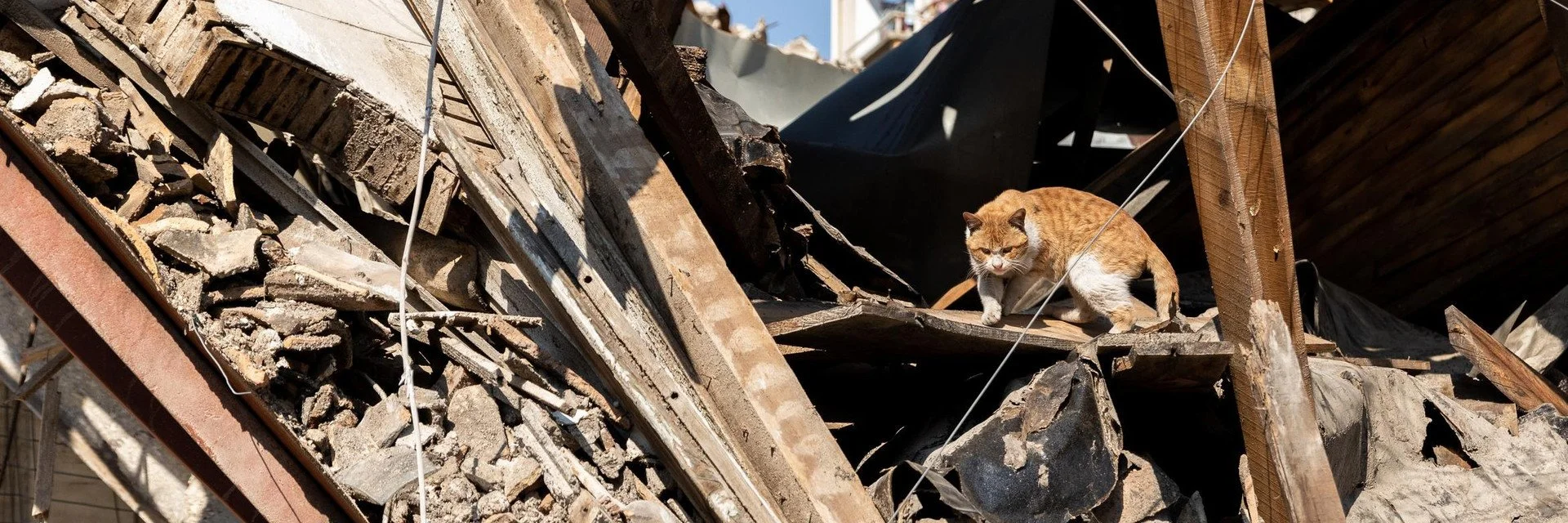
Image Source: Four Paws Australia

APPROACH
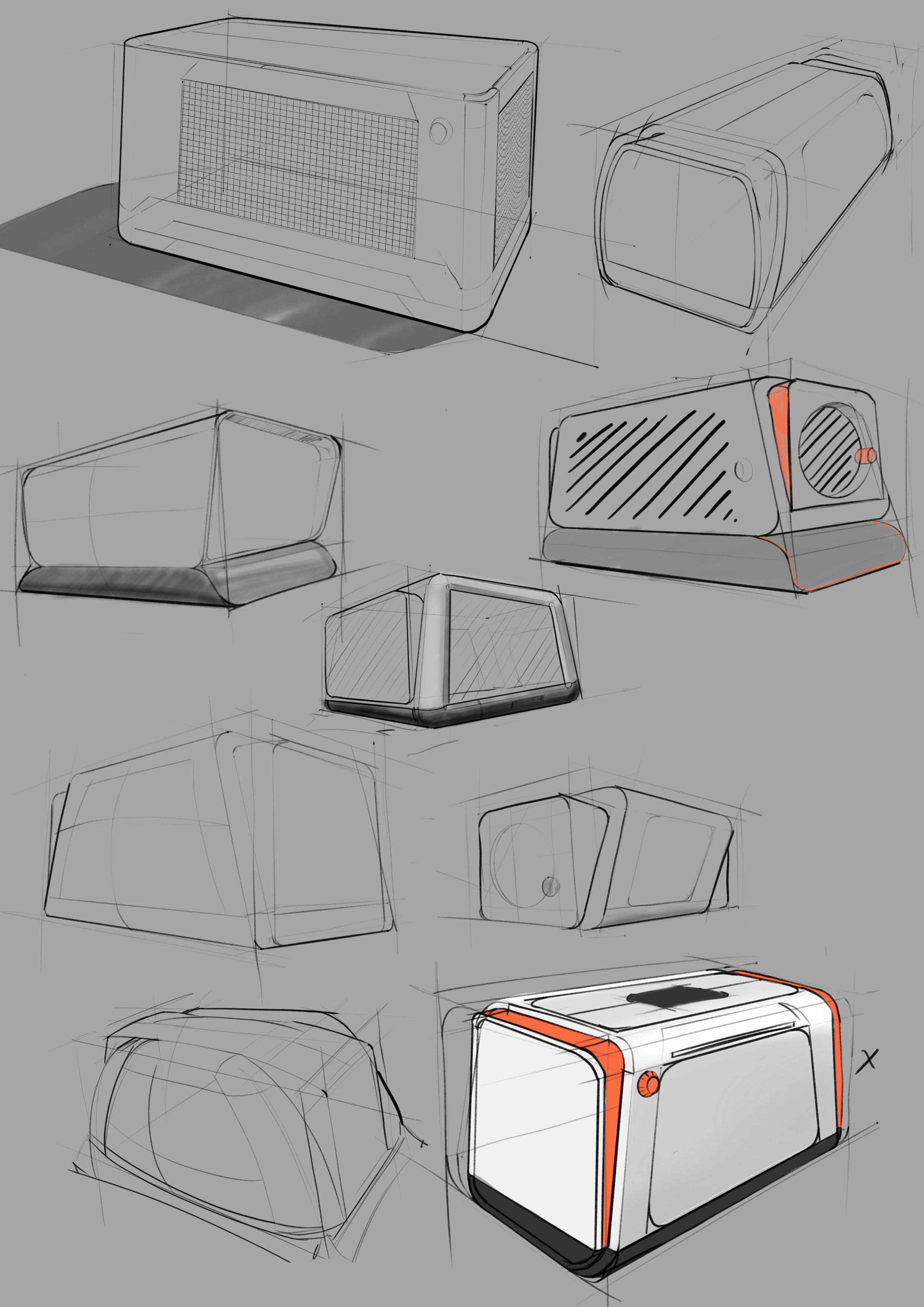
Thumbnail Sketches
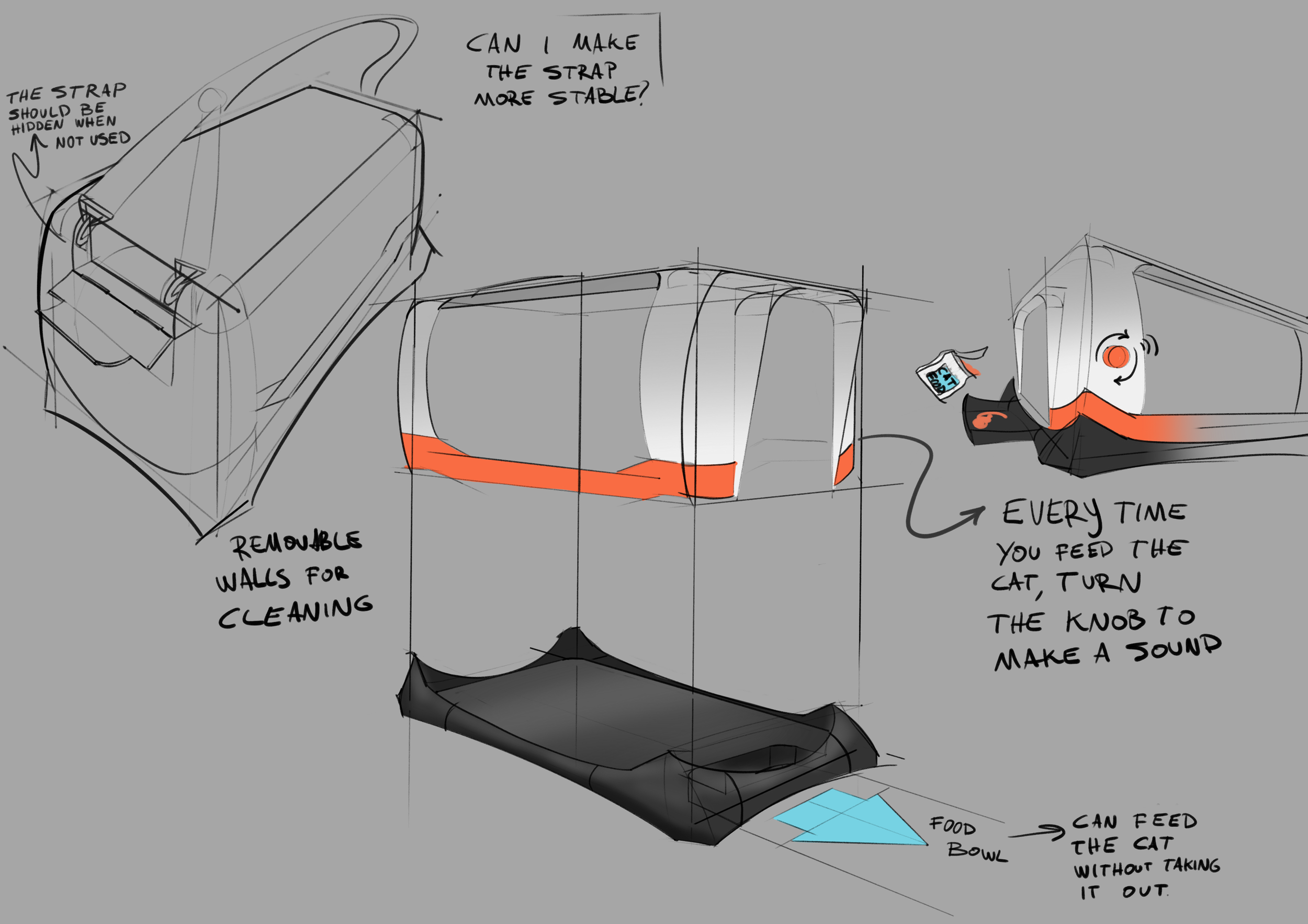
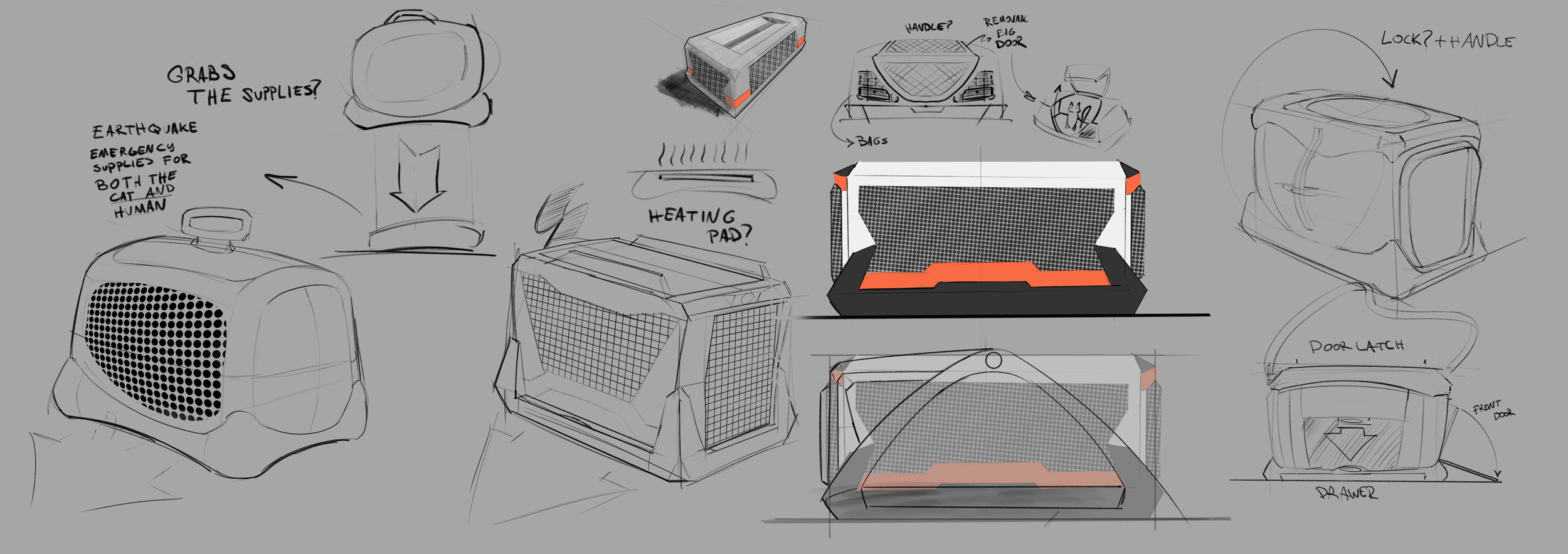
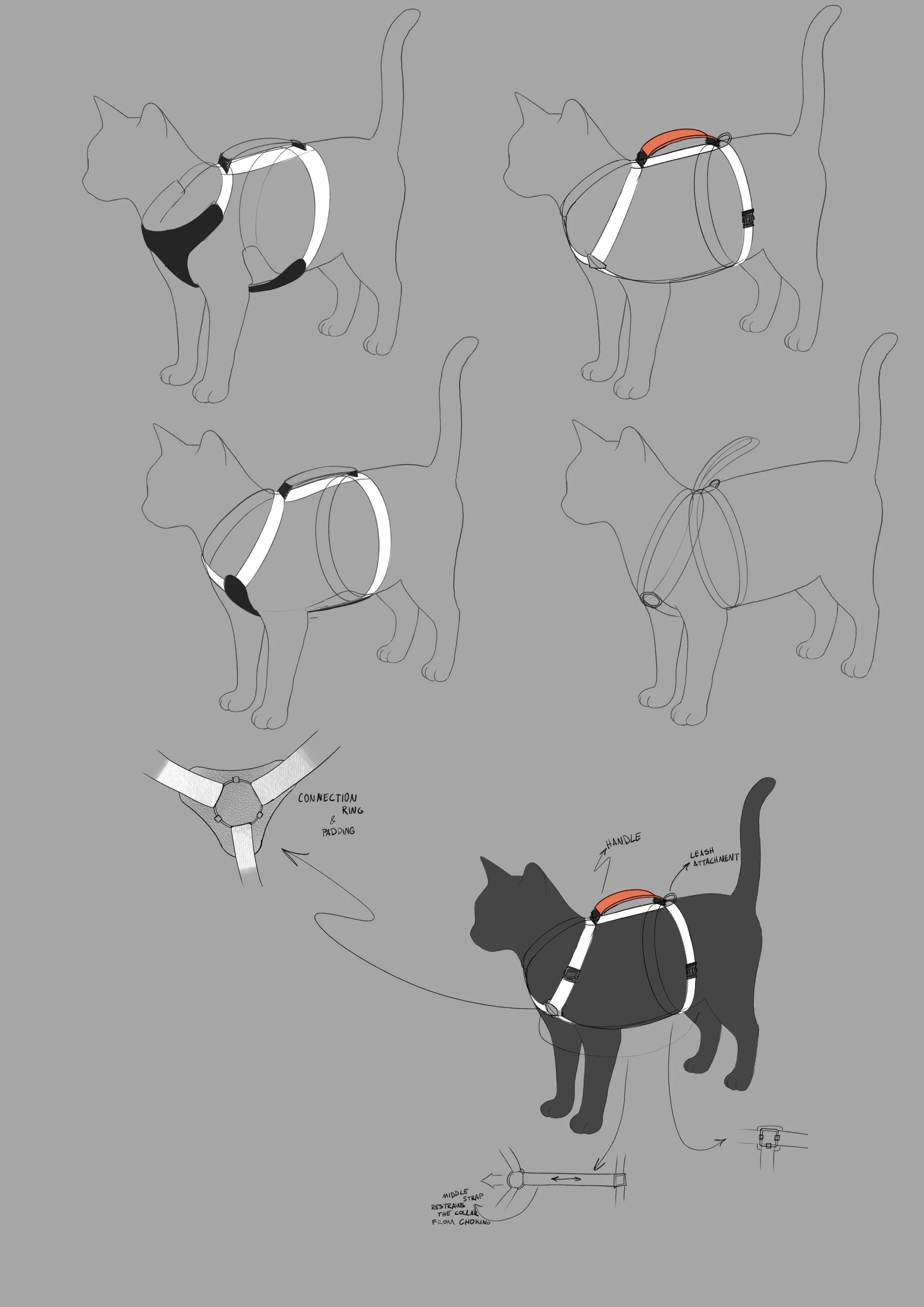
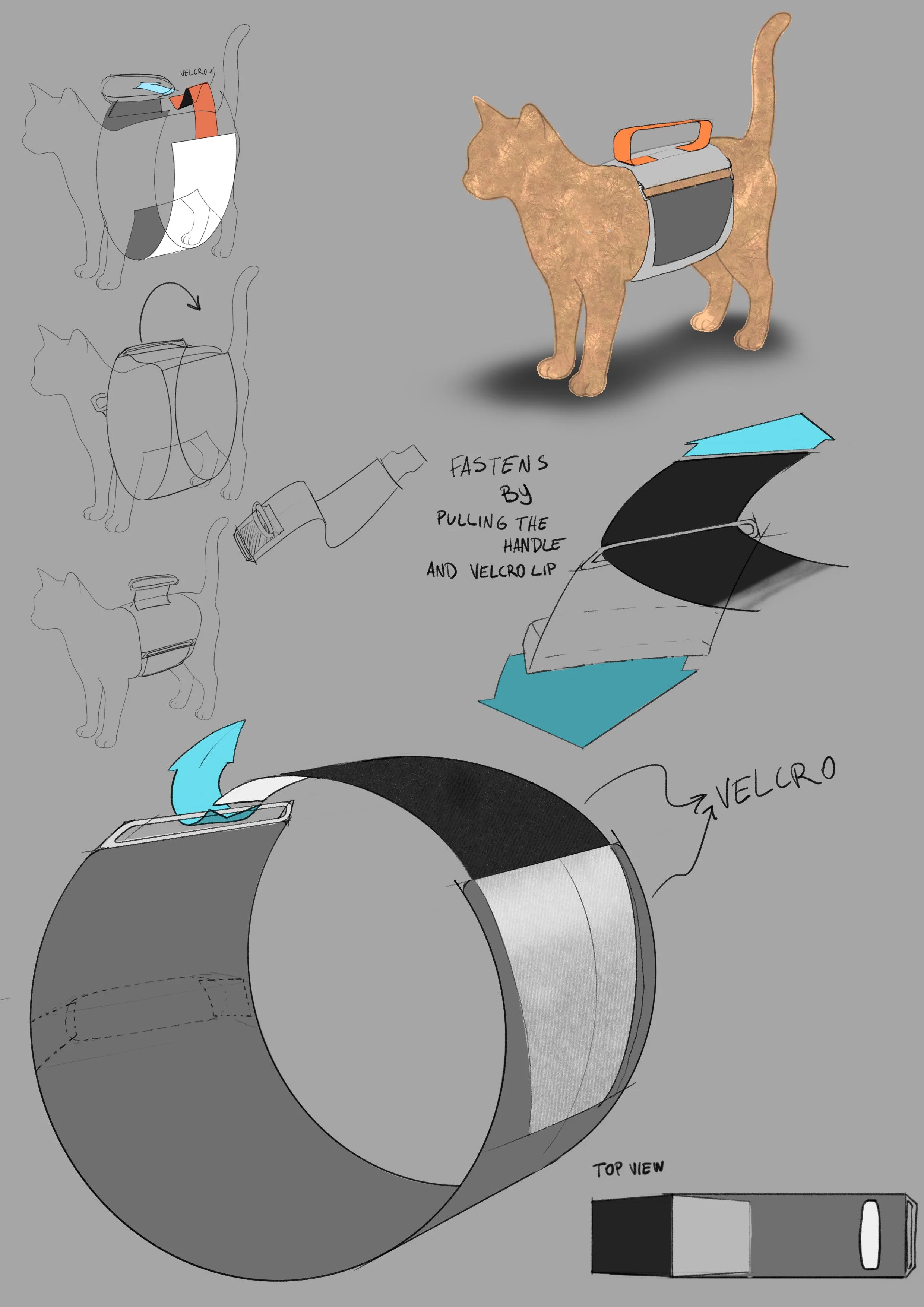
Two main concepts emerged from the research: a cat catcher focused on safely securing the cat, and a carrier designed to support evacuation more comprehensively. After evaluating different ideas, the carrier became the main direction, focusing on communication, mobility, storage, and making it easier to place the cat inside during stressful situations.
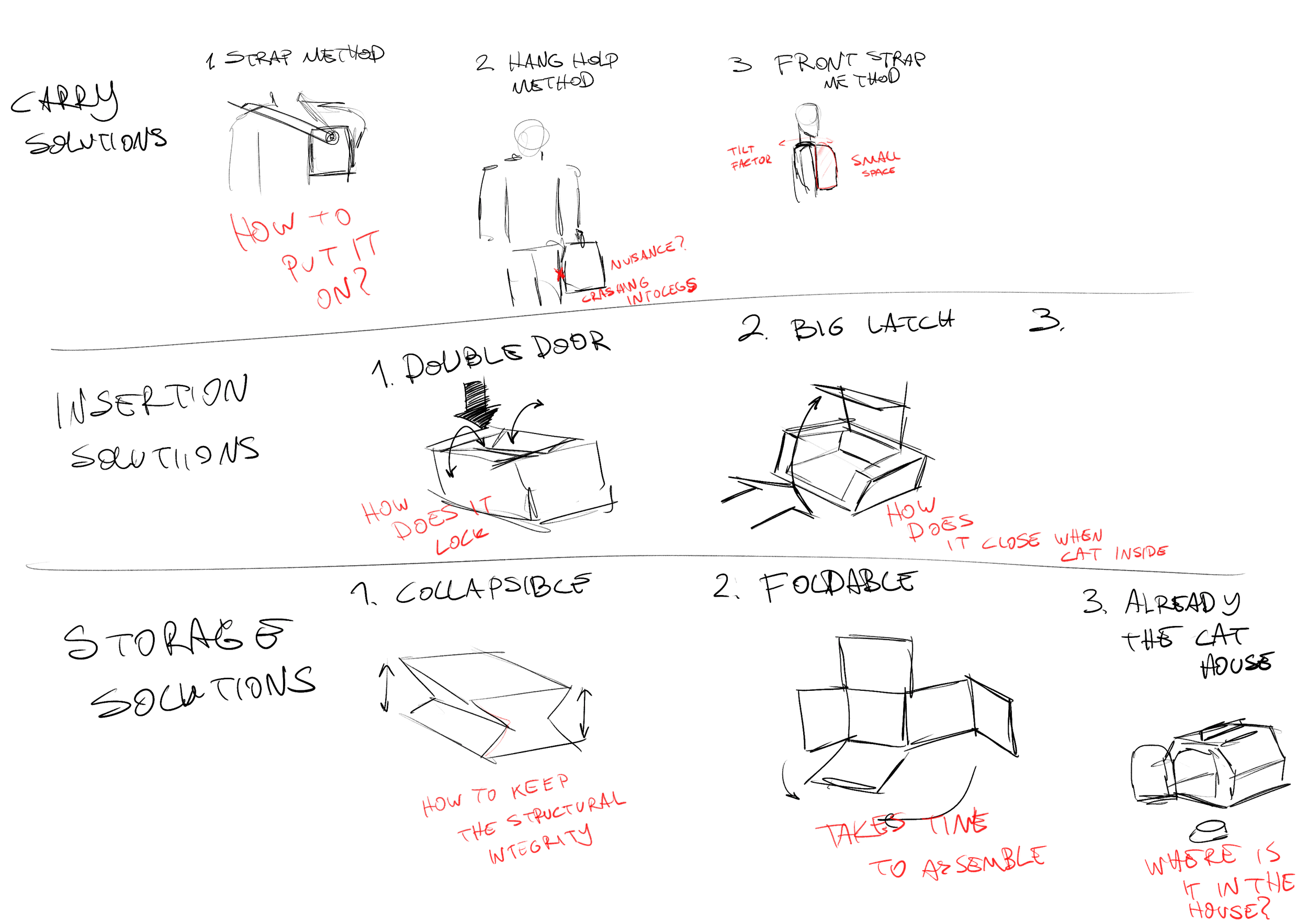
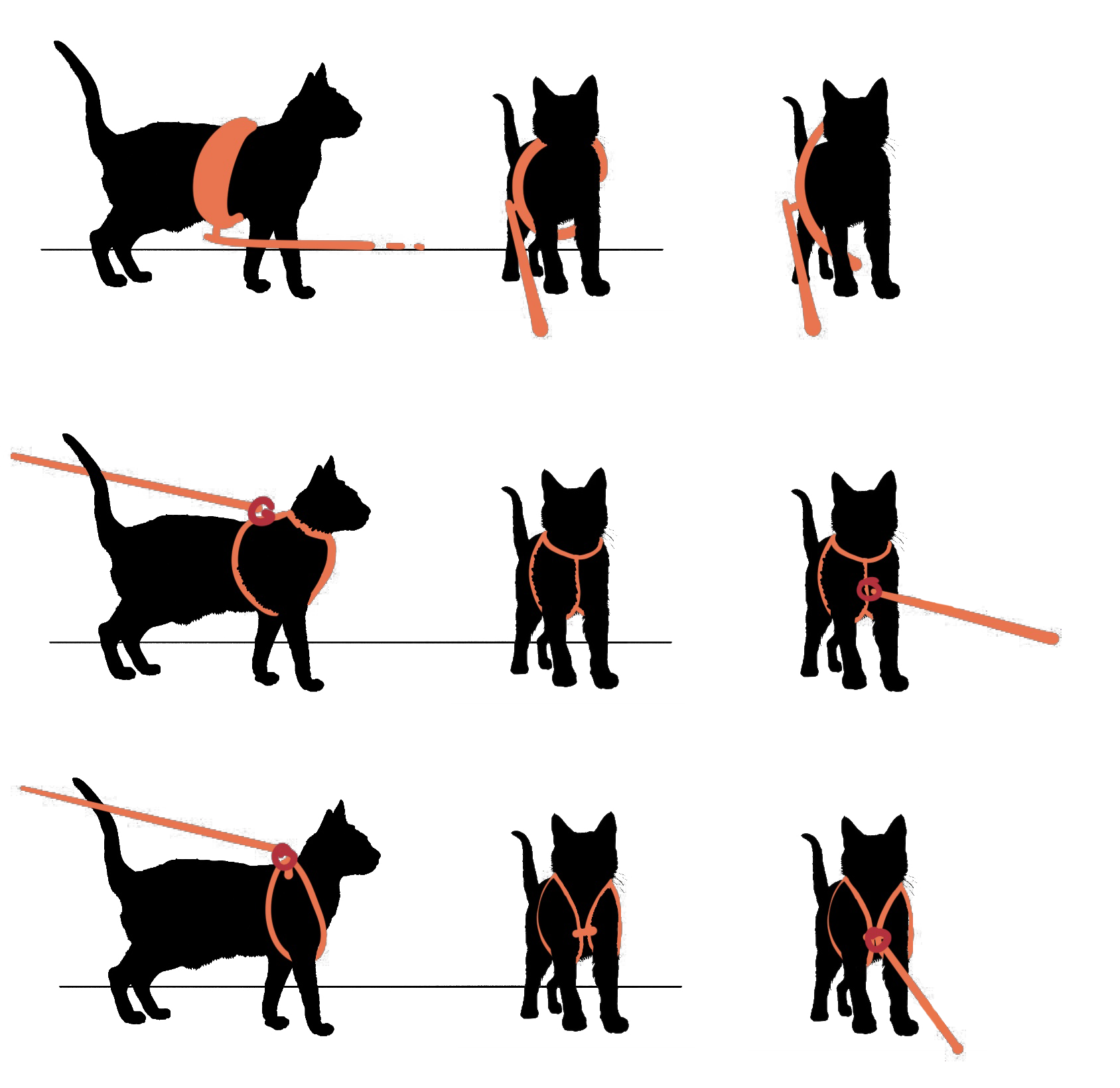

The process continued with the carrier and grabbing helper concepts through an open-ended, anything-is-possible ideation phase. With minimal focus on aesthetics, the development was entirely function-driven, using continuous prototyping to explore and define the product architecture.
Ideation
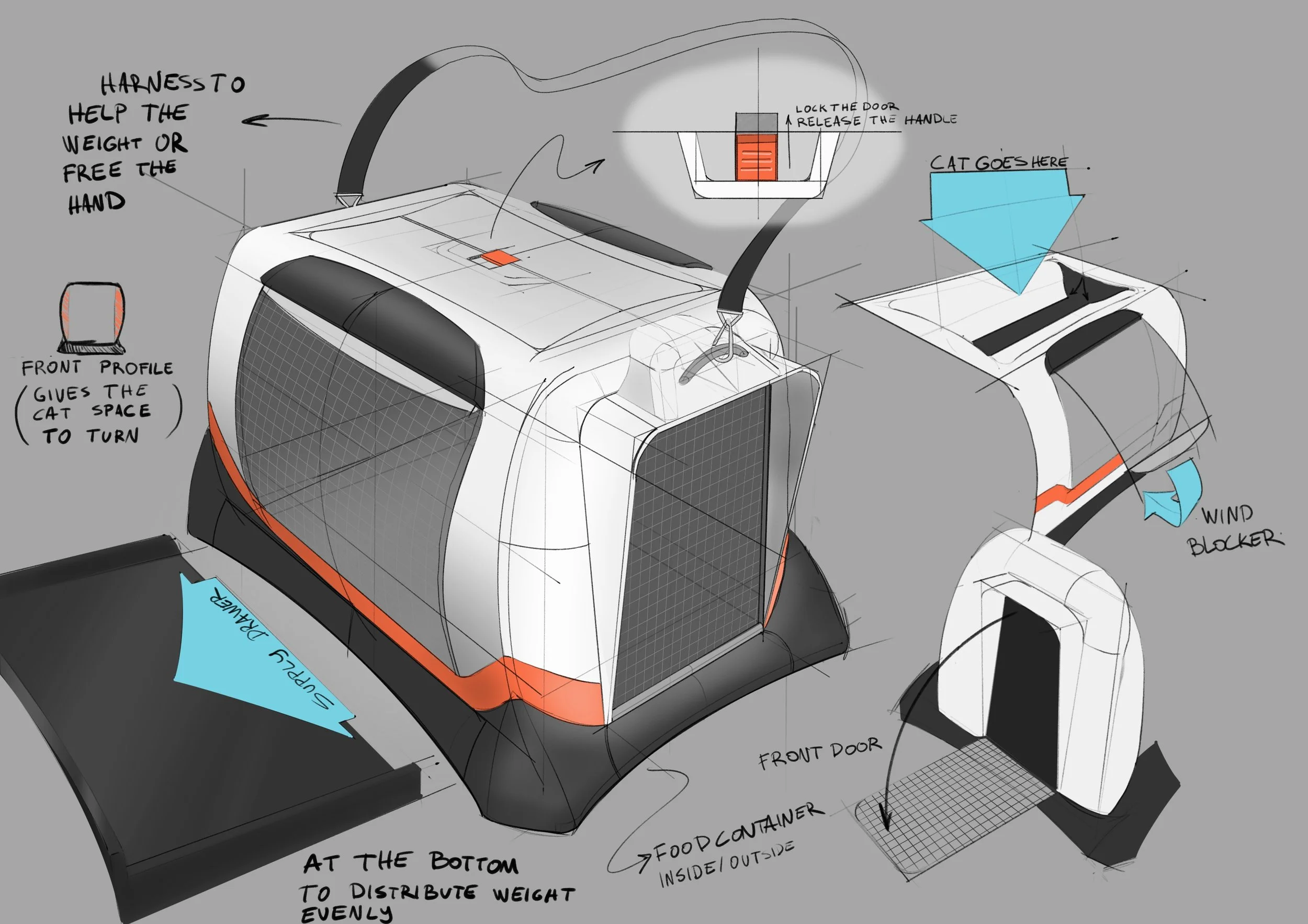

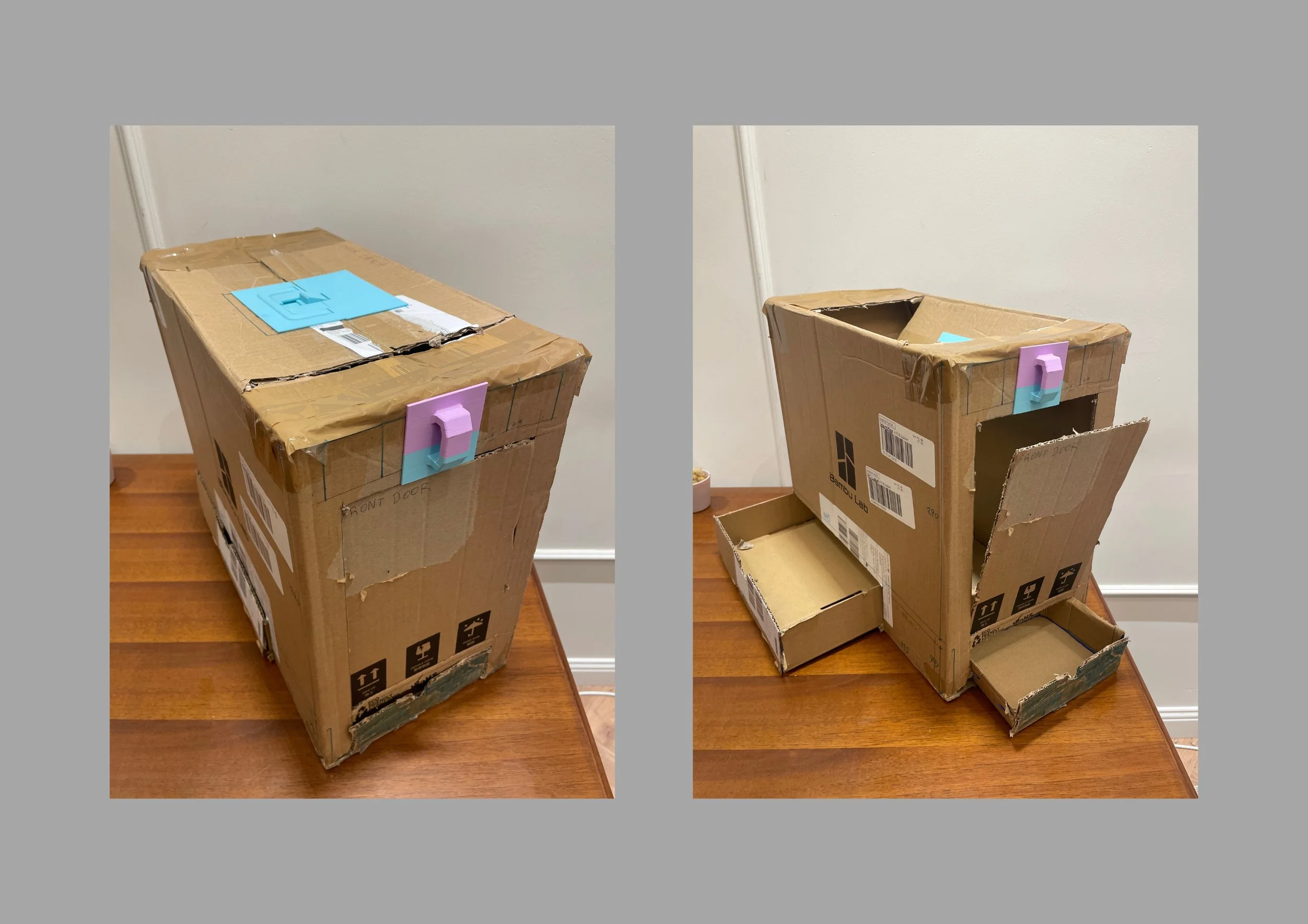
Cardboard Aided Design
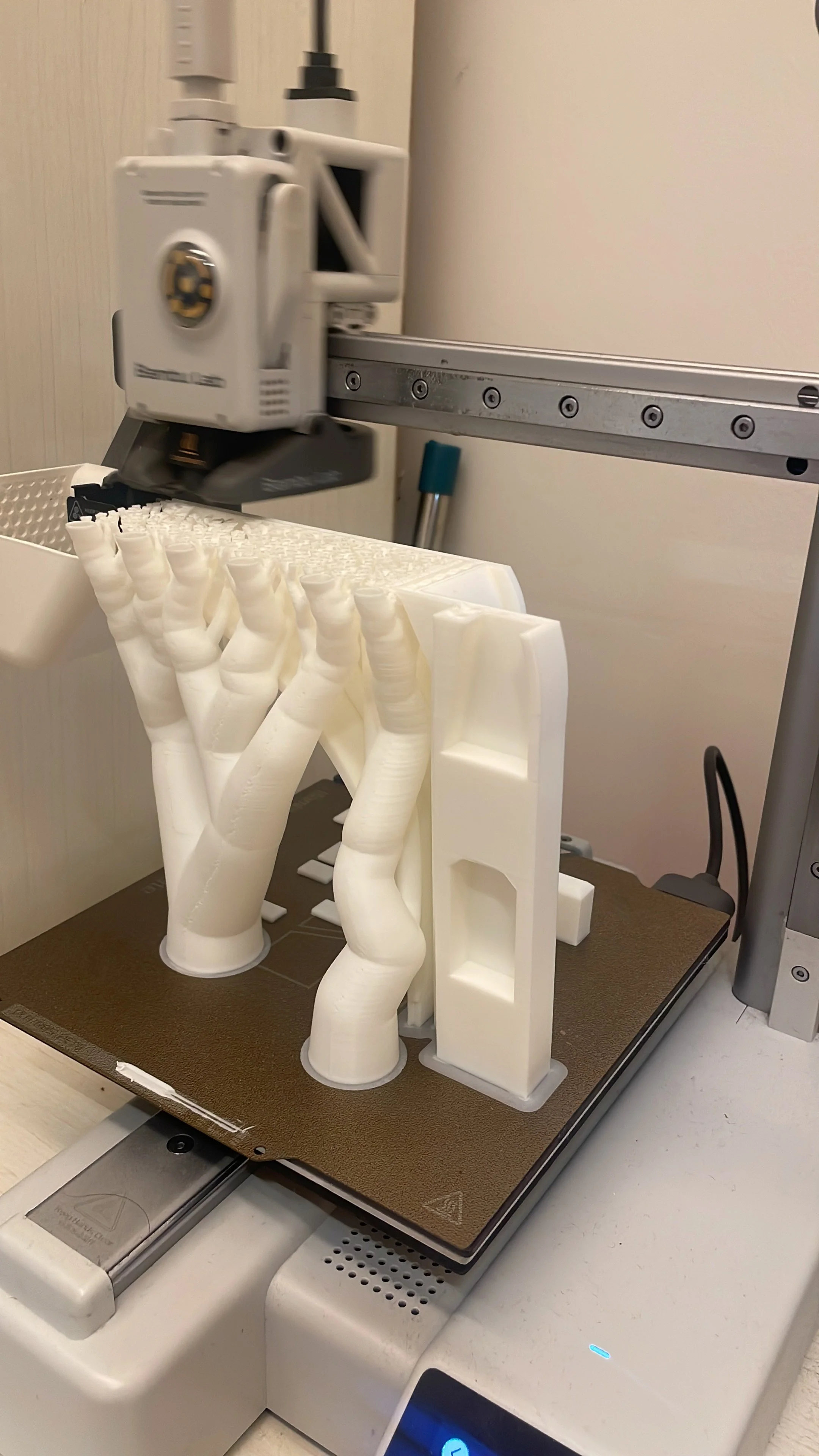
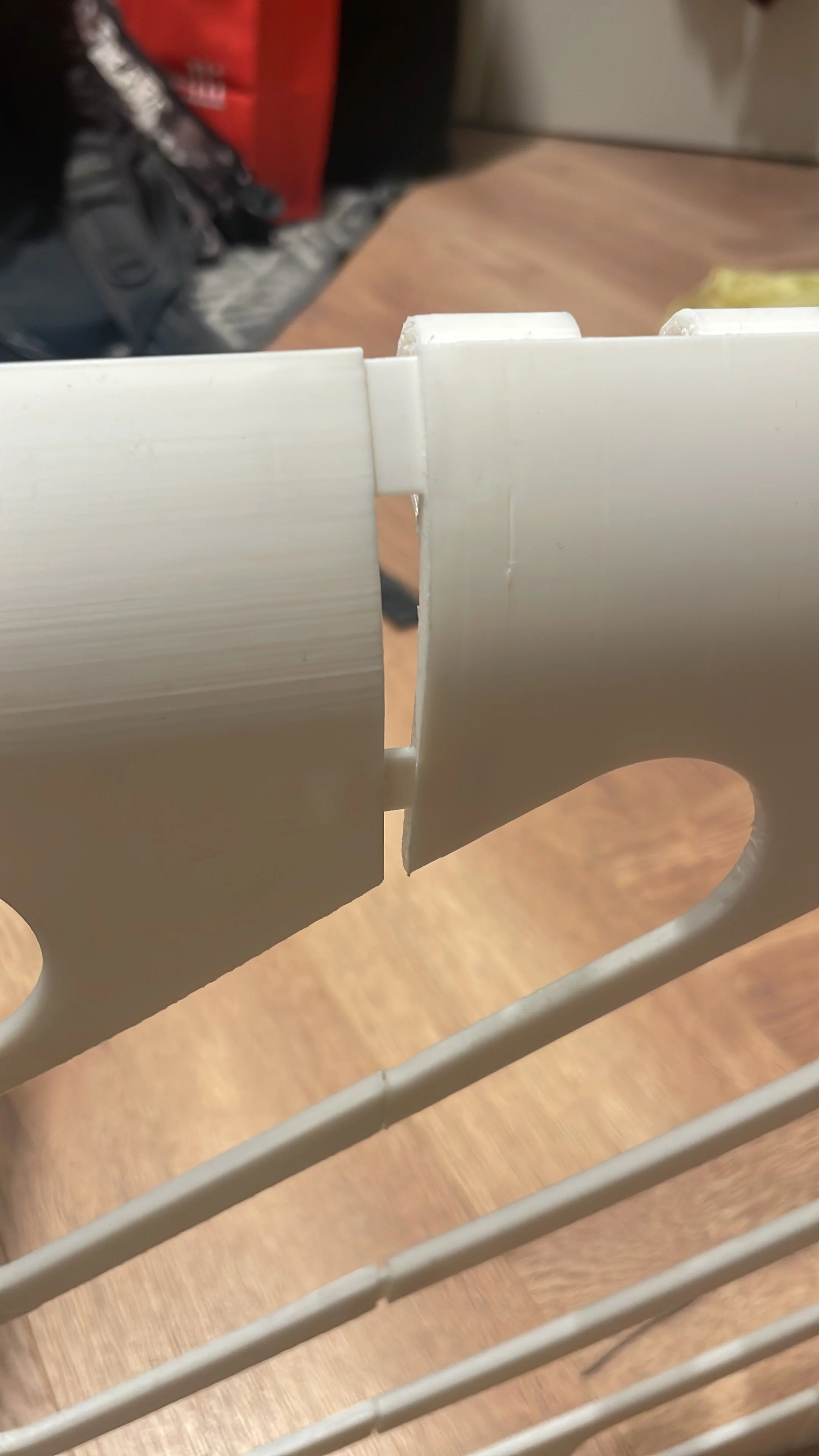
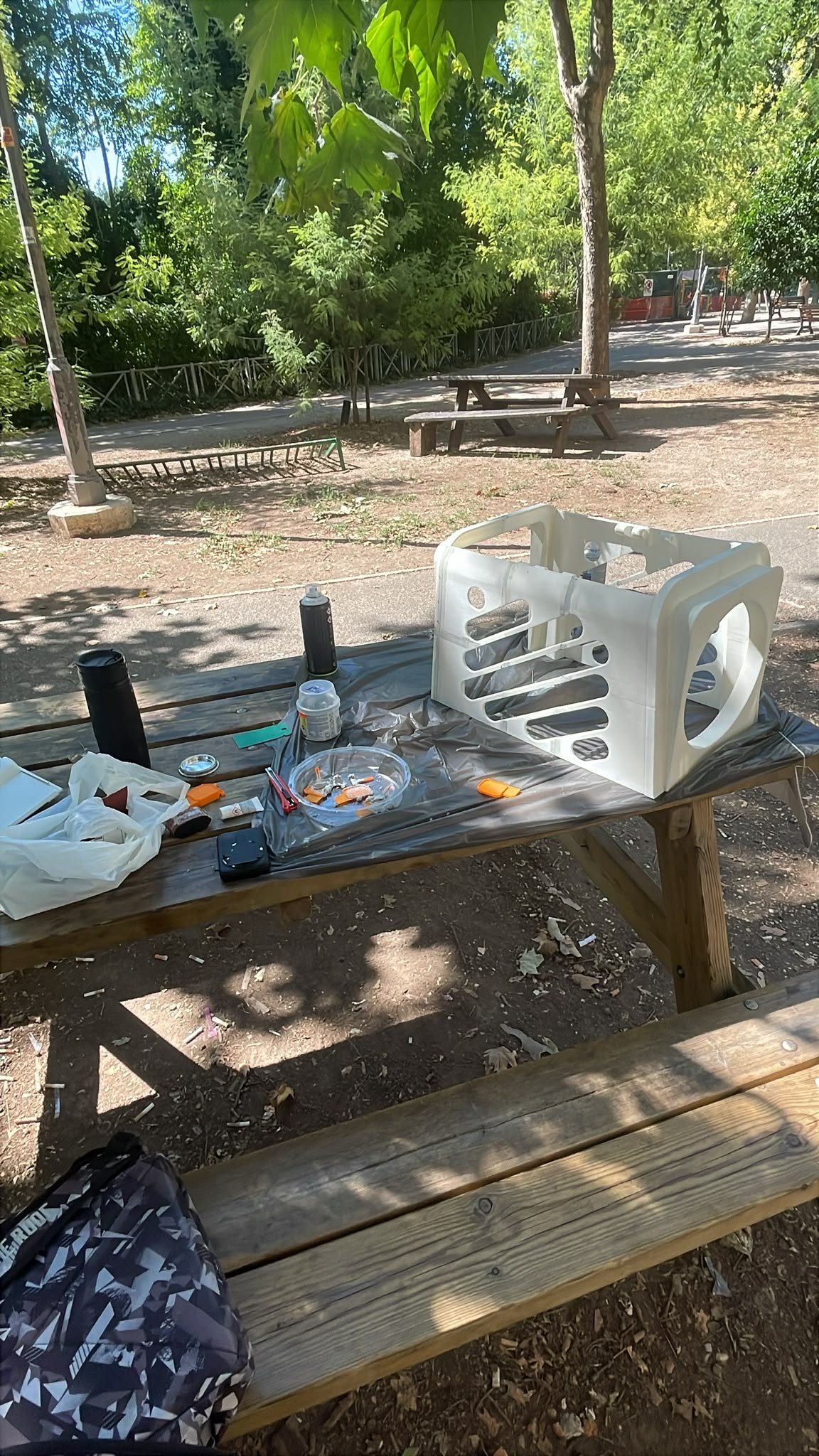
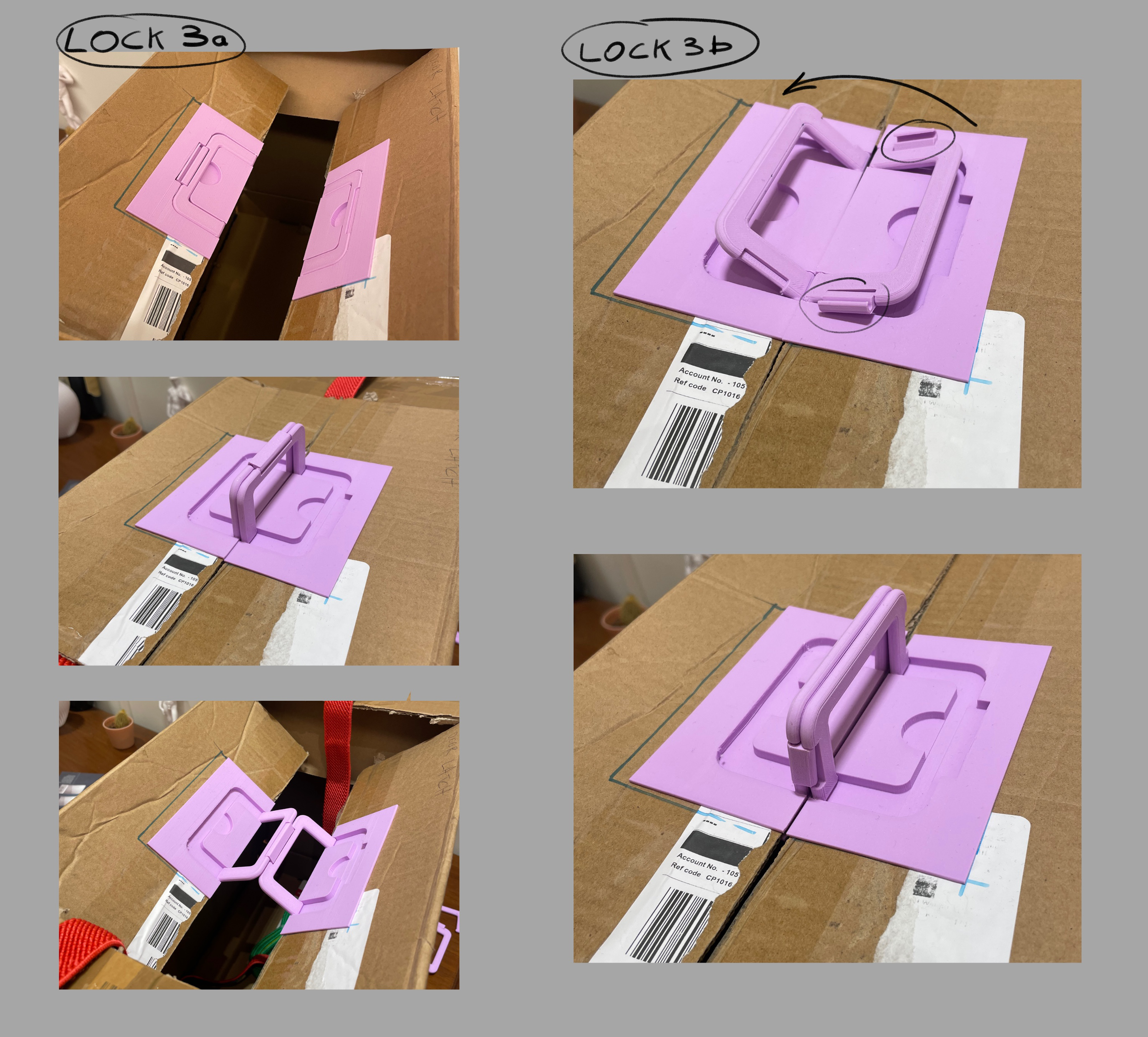
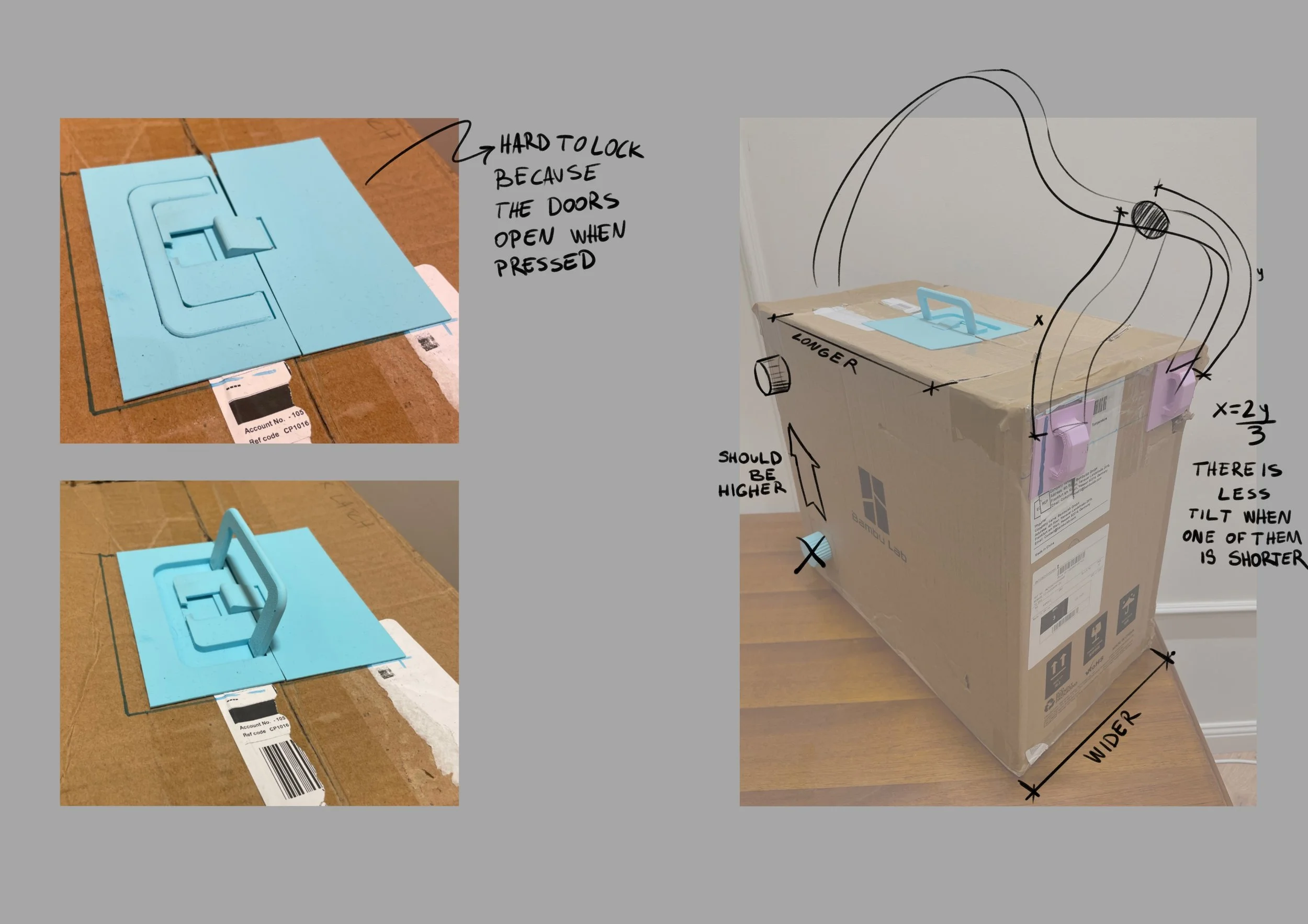
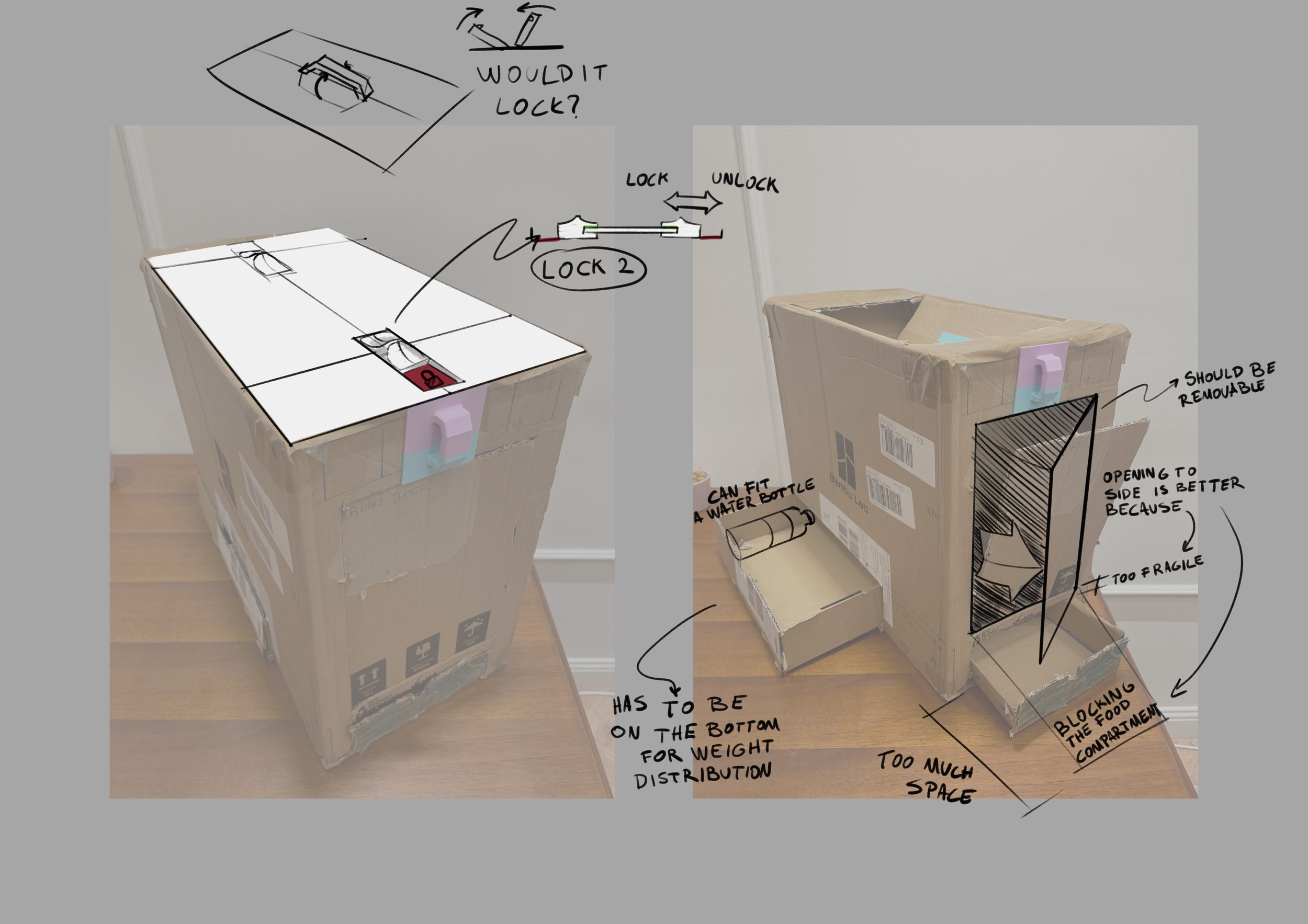
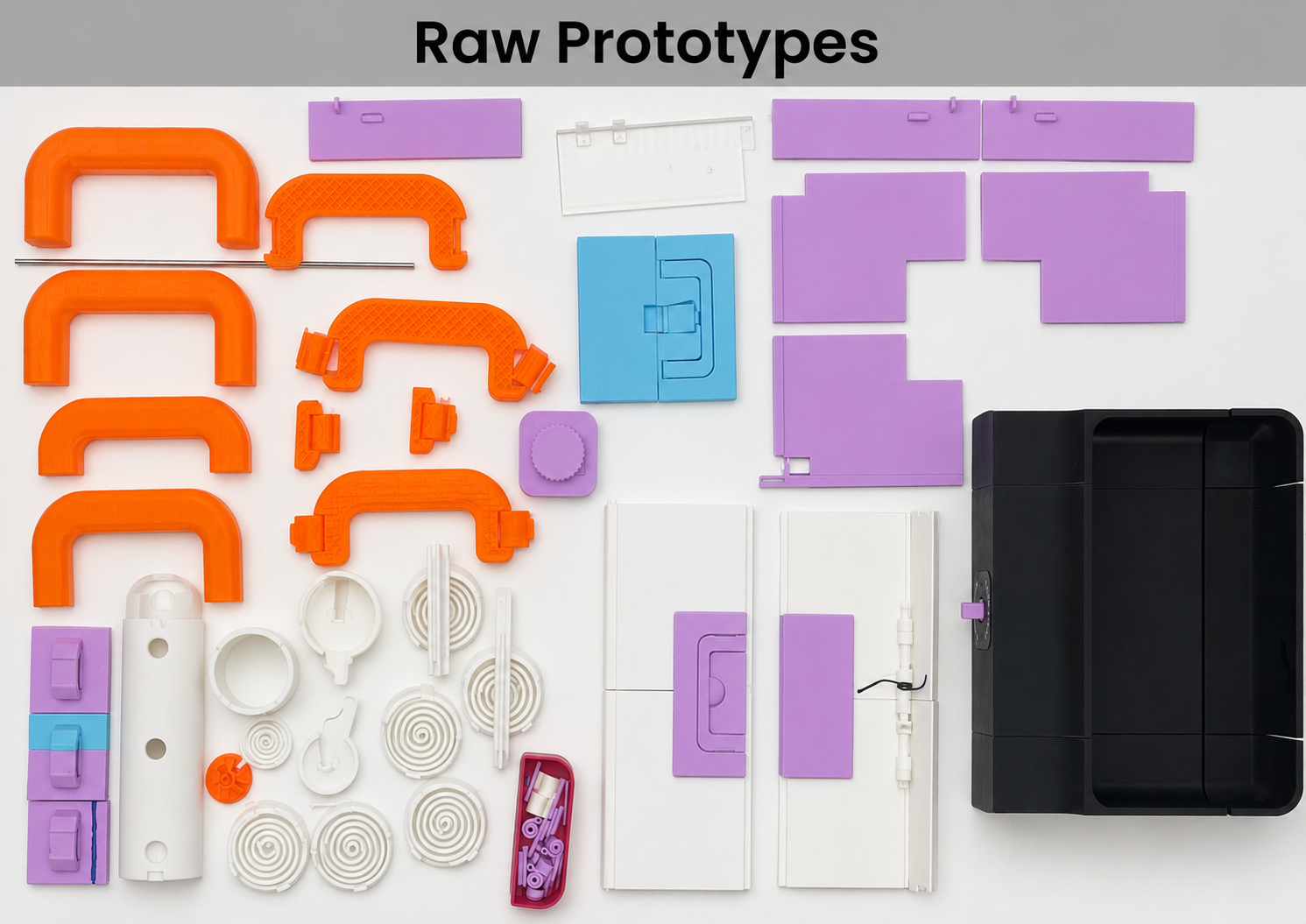
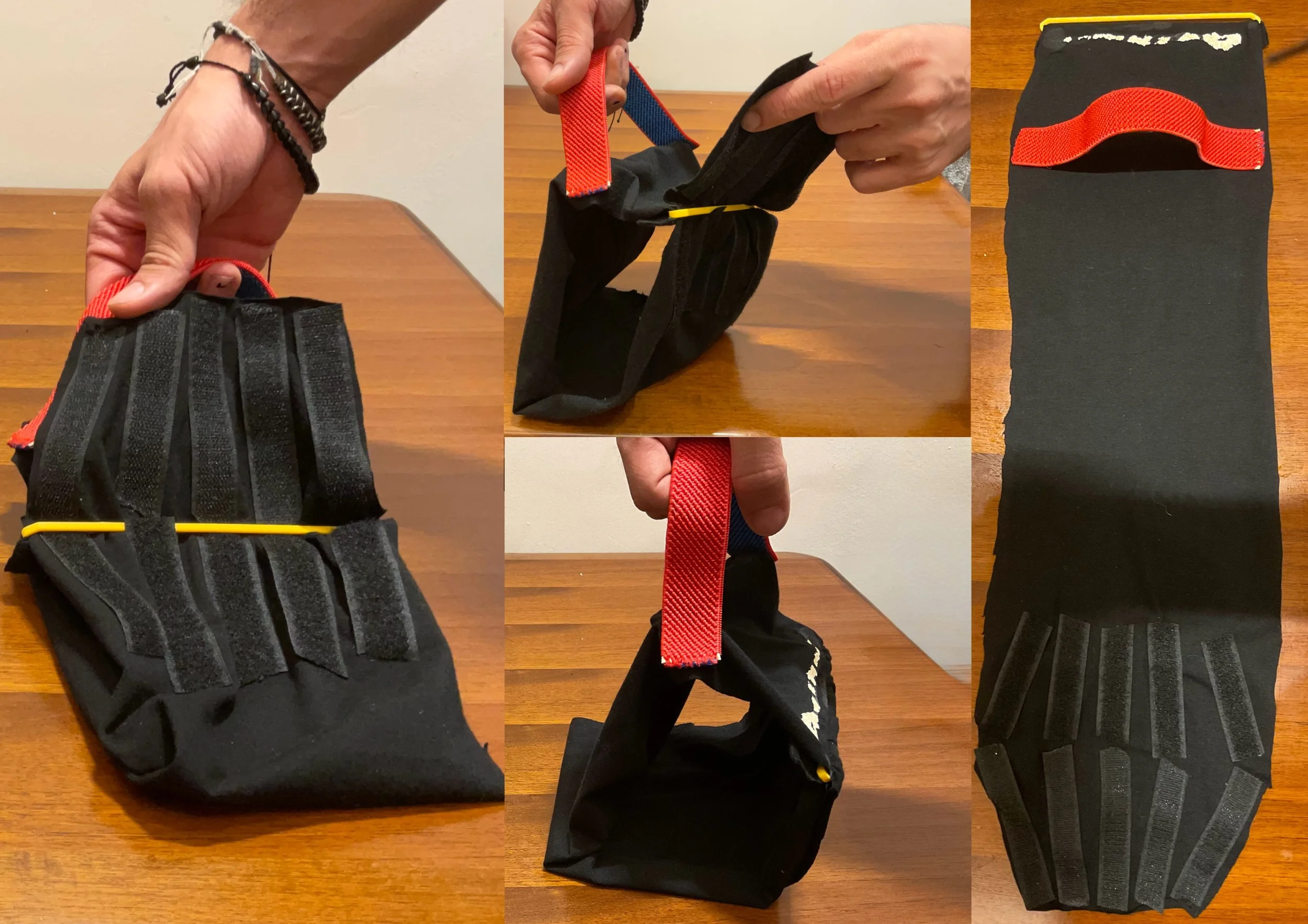
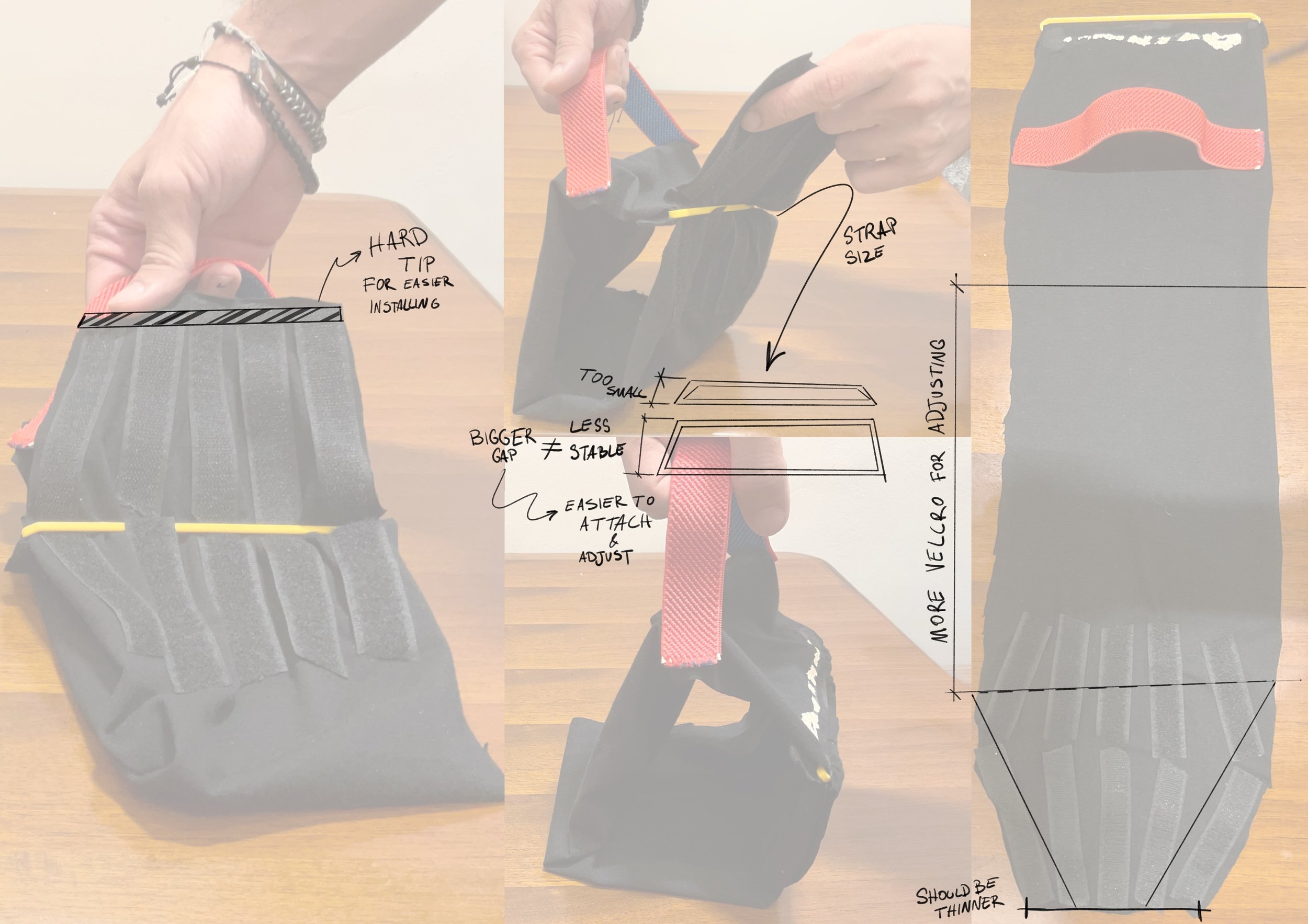
Multiple raw prototypes were developed using cardboard and modular 3D-printed parts to test sizing, mechanisms, and individual functions. Ideation and prototyping were repeated in an iterative loop until the product architecture was defined, including the placement and space requirements of each component.
Visual Language
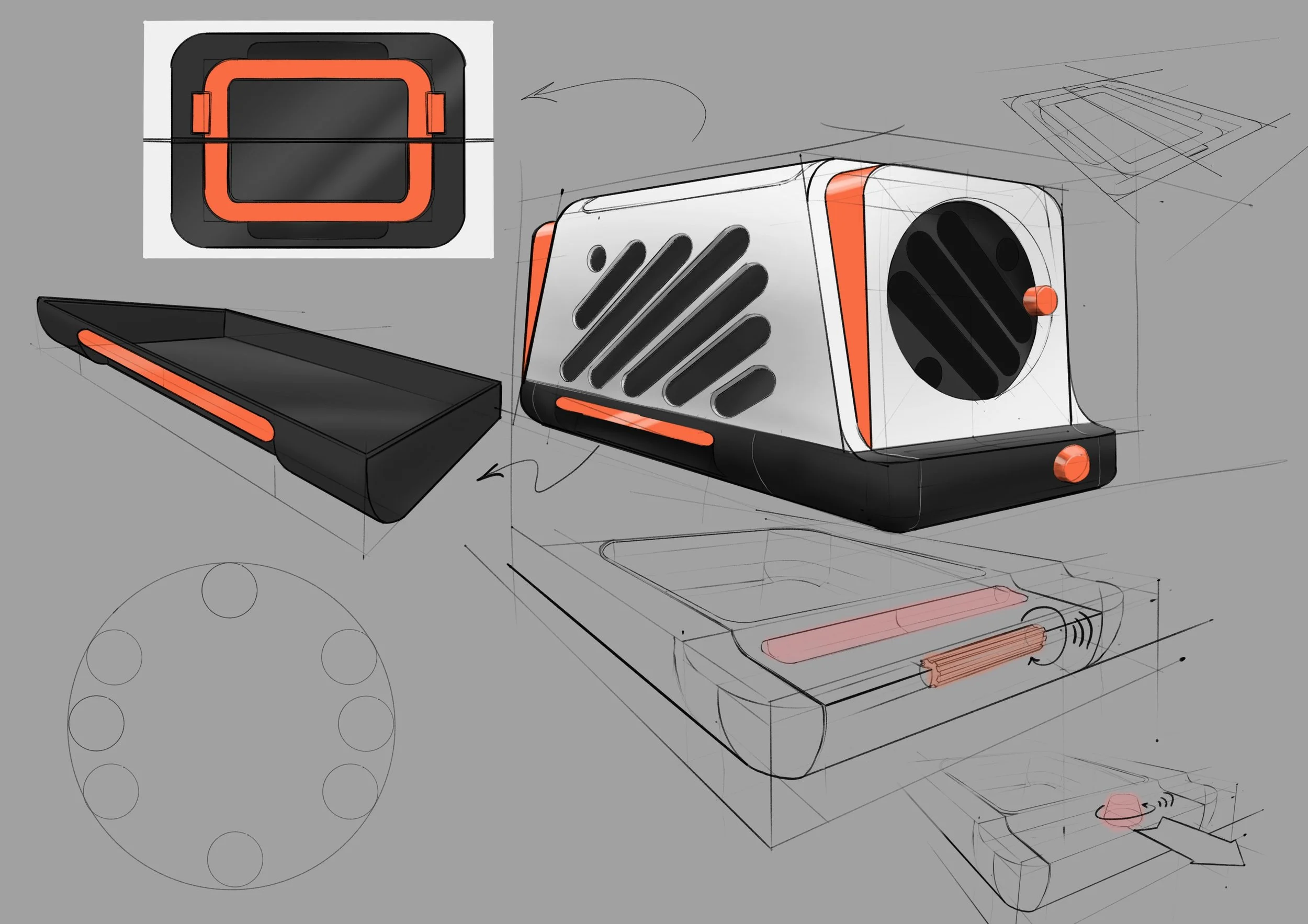
While this is an emergency product, it also stays in open in the house and since it is related to pets it should also look friendly. It was a challenging task to completely define the purpose and personality of this product without missing any of its features. In the moodboard, I took inspirations from household devices that stay in the open and also some “friendly” looking products. For the feeling of emergency, I tried to use orange as an indicator but tried to keep it toned down by using it on rounded edges only which helped me downplay the feature of danger.
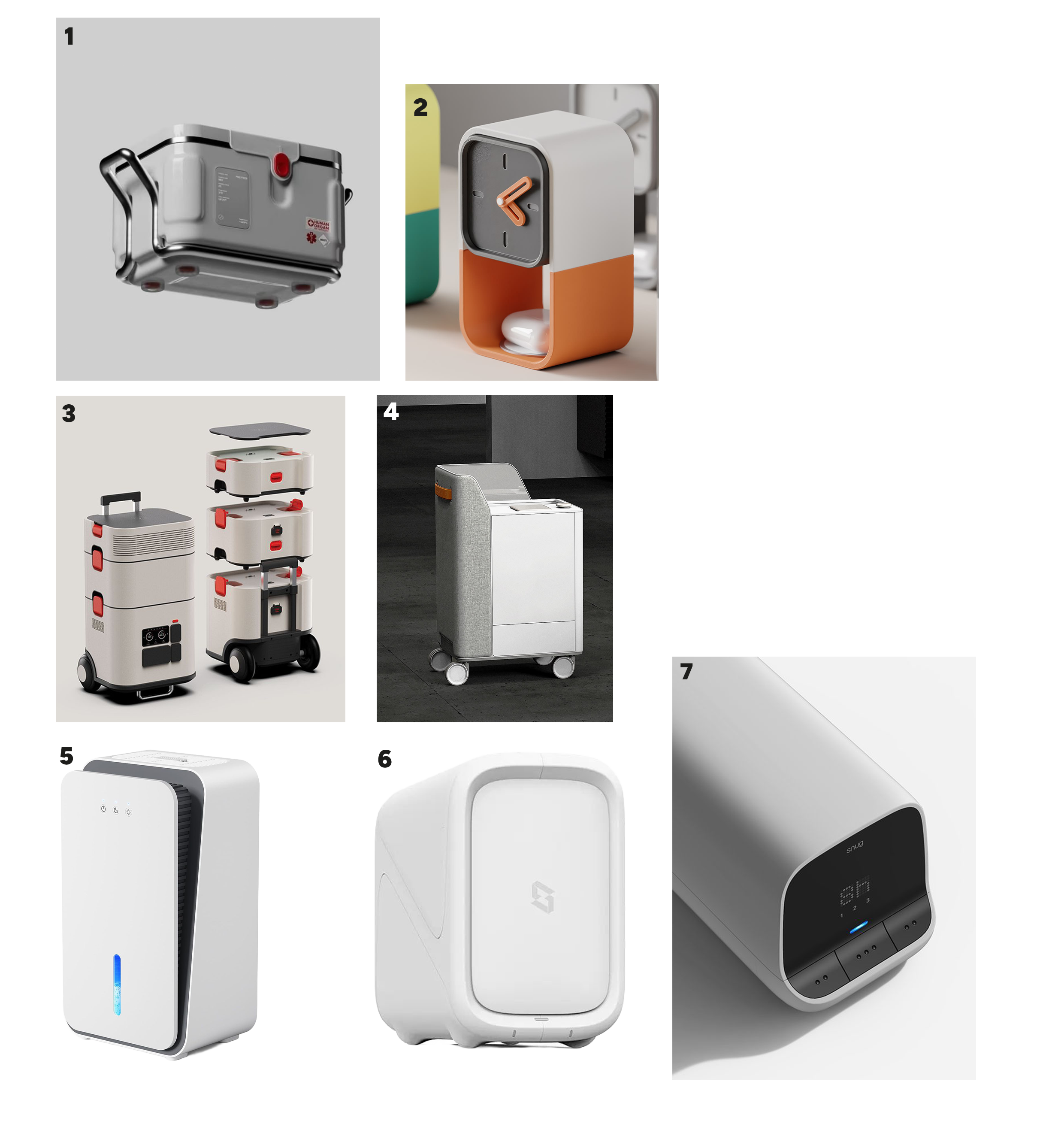
1. Portable cryogenic freezer for organ preservation by Futurewave Lab
2. Desk clock with airpod charger and storage by Abstractia Design
3. BCON, an outdoor camping equipment by Park Seunggyu
4. Volvo lifestyler trolley, a smart furniture by PDF Haus
5. Home Dehumidifier by Onsekin
6. Z2S, Personal cloud network server by ZSpace / Jikongjian
7.Snug, Mandibular advancement system by S2Victor Design Studio
Story Board
0. Pre-Emergency
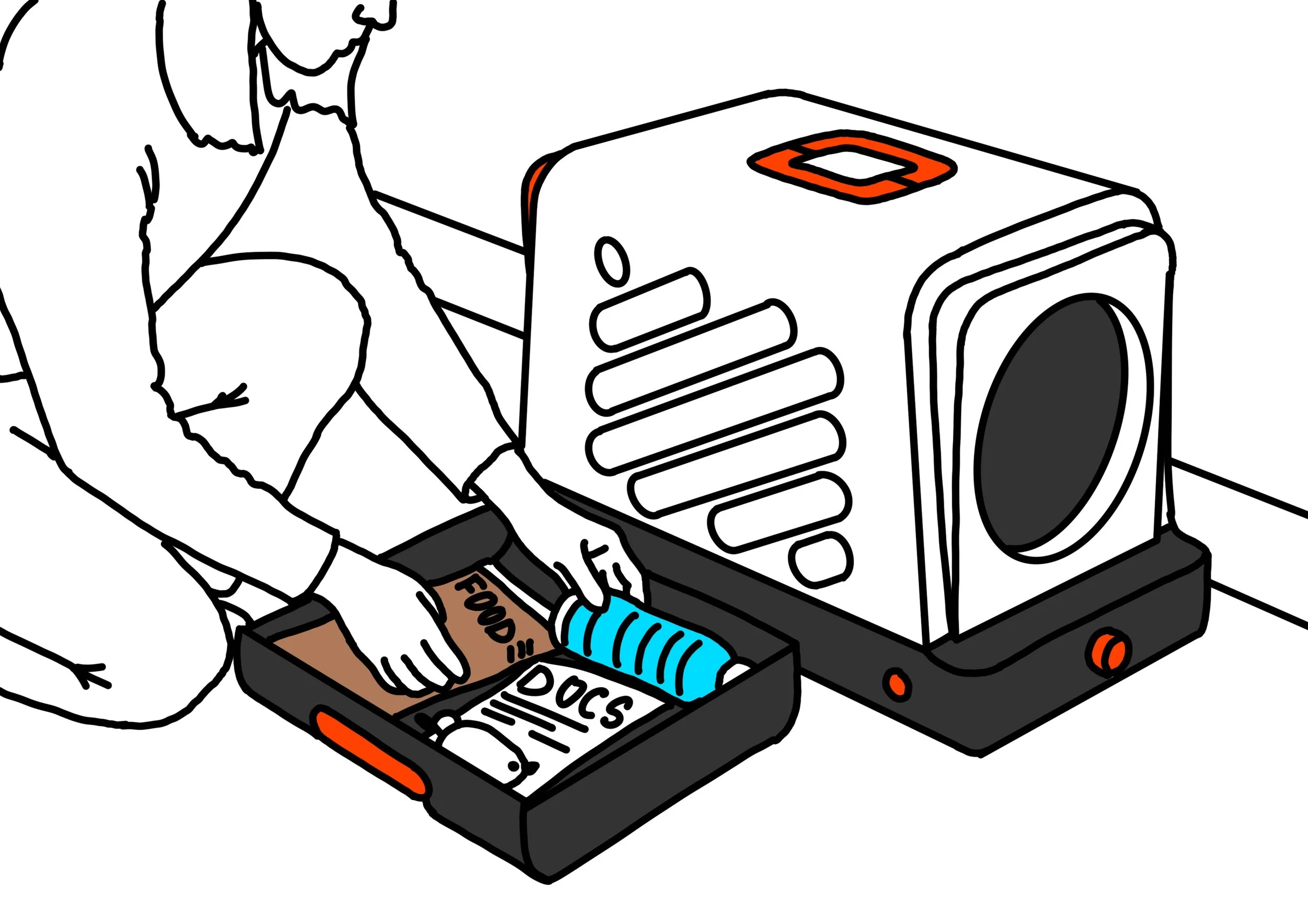
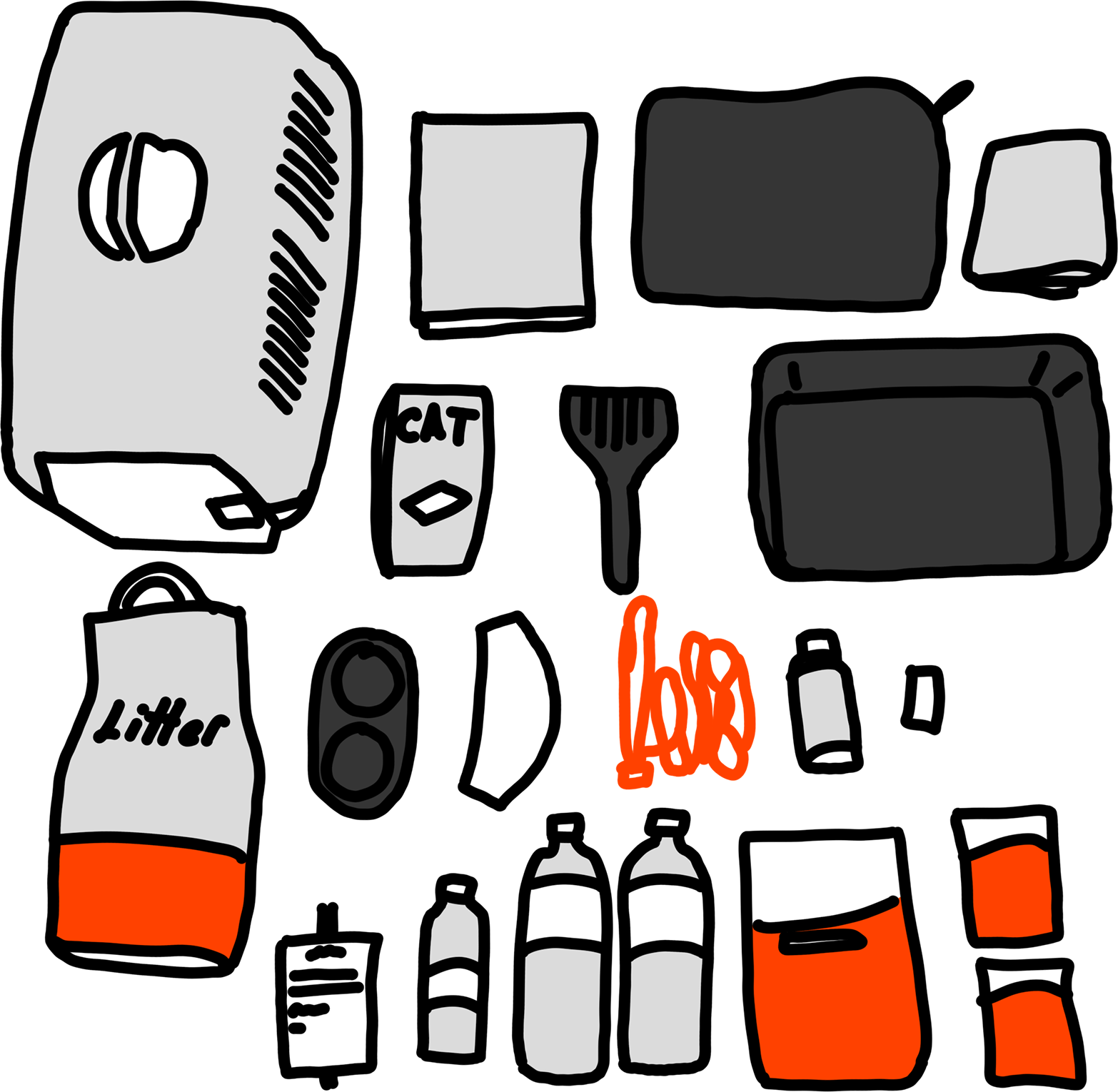
Filling the storage container with essentials like food, water, vaccination records, medication etc.
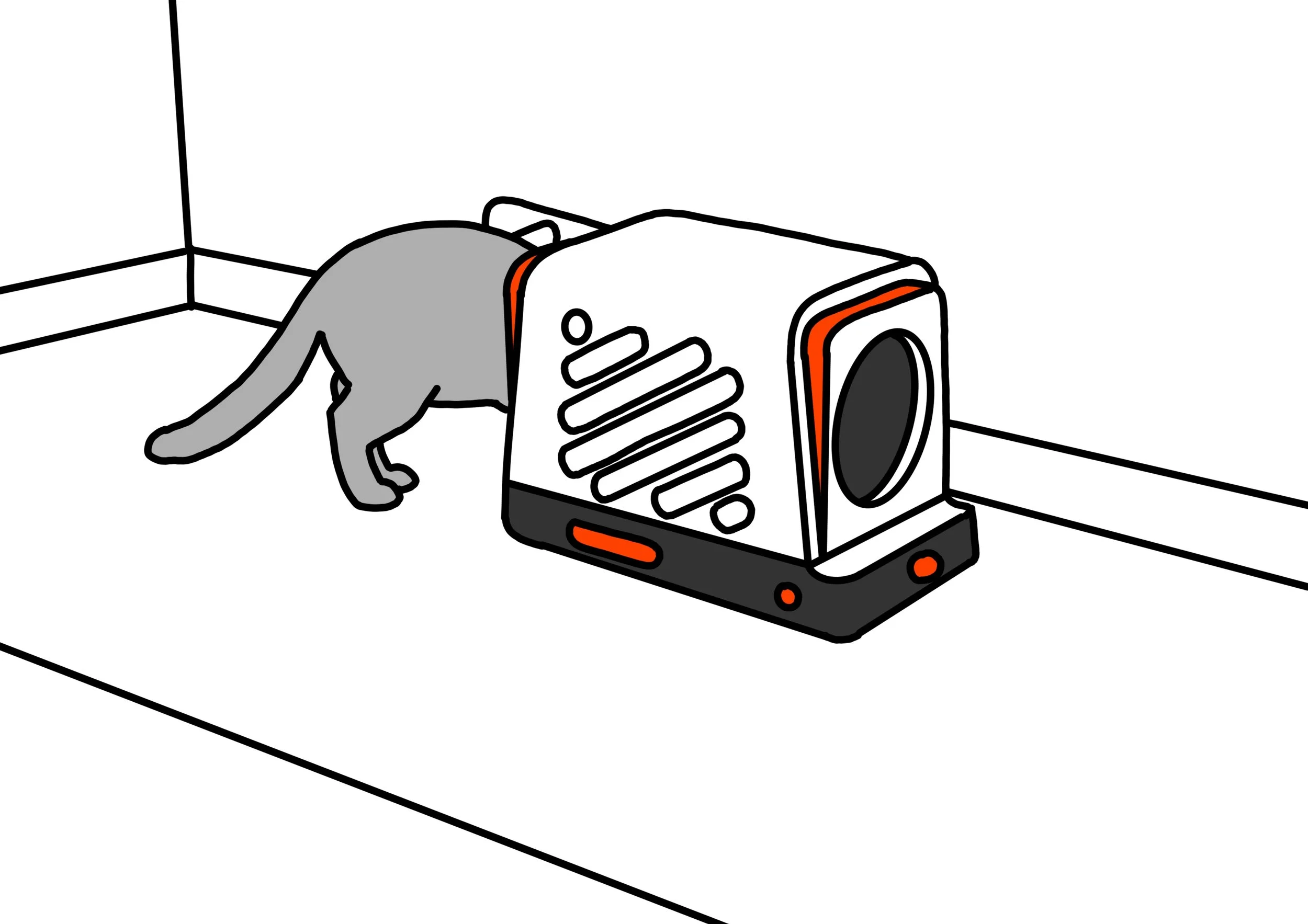
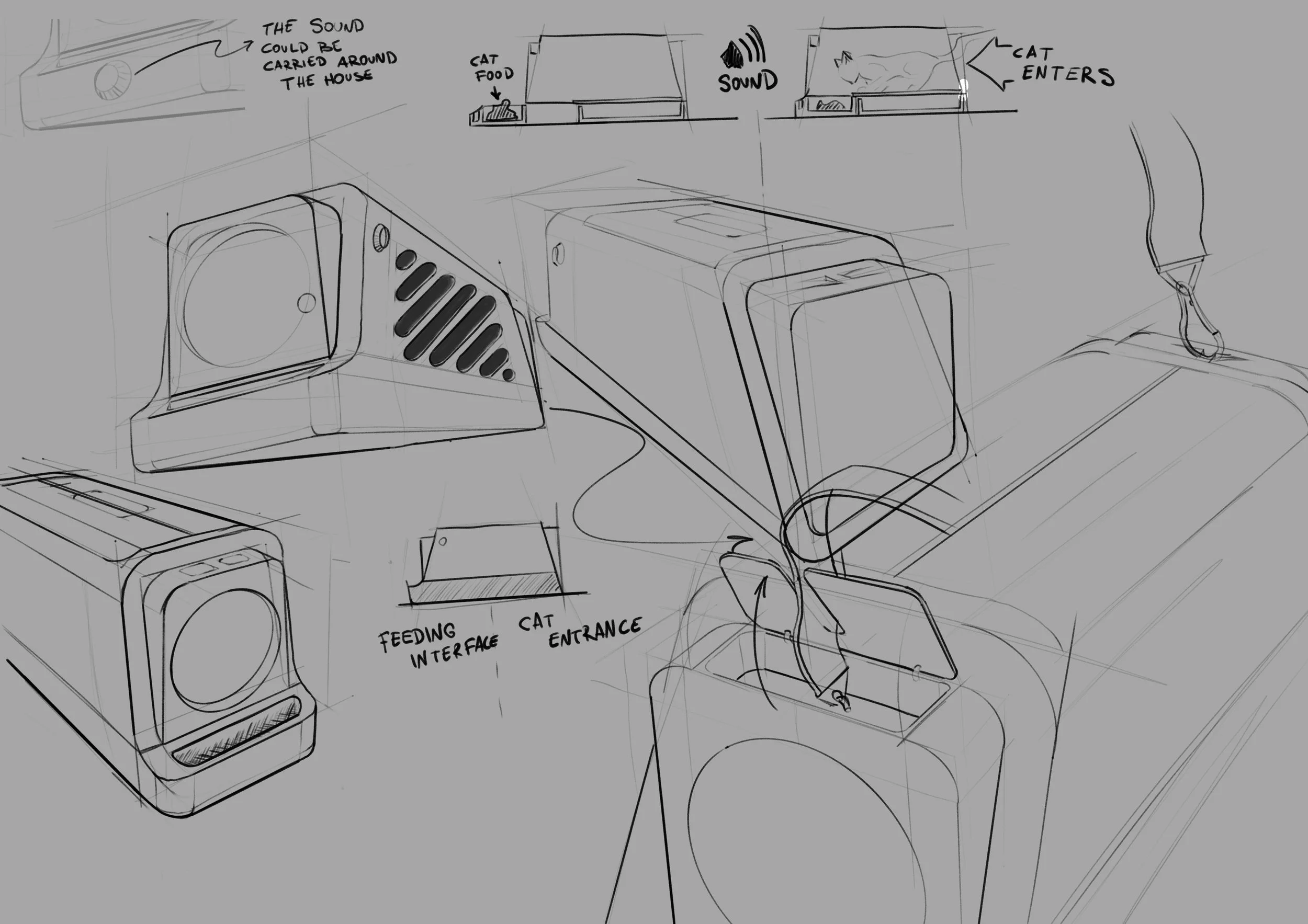
Plan A, the best case scenario, is that when the cat is stressed it escapes inside the carrier.
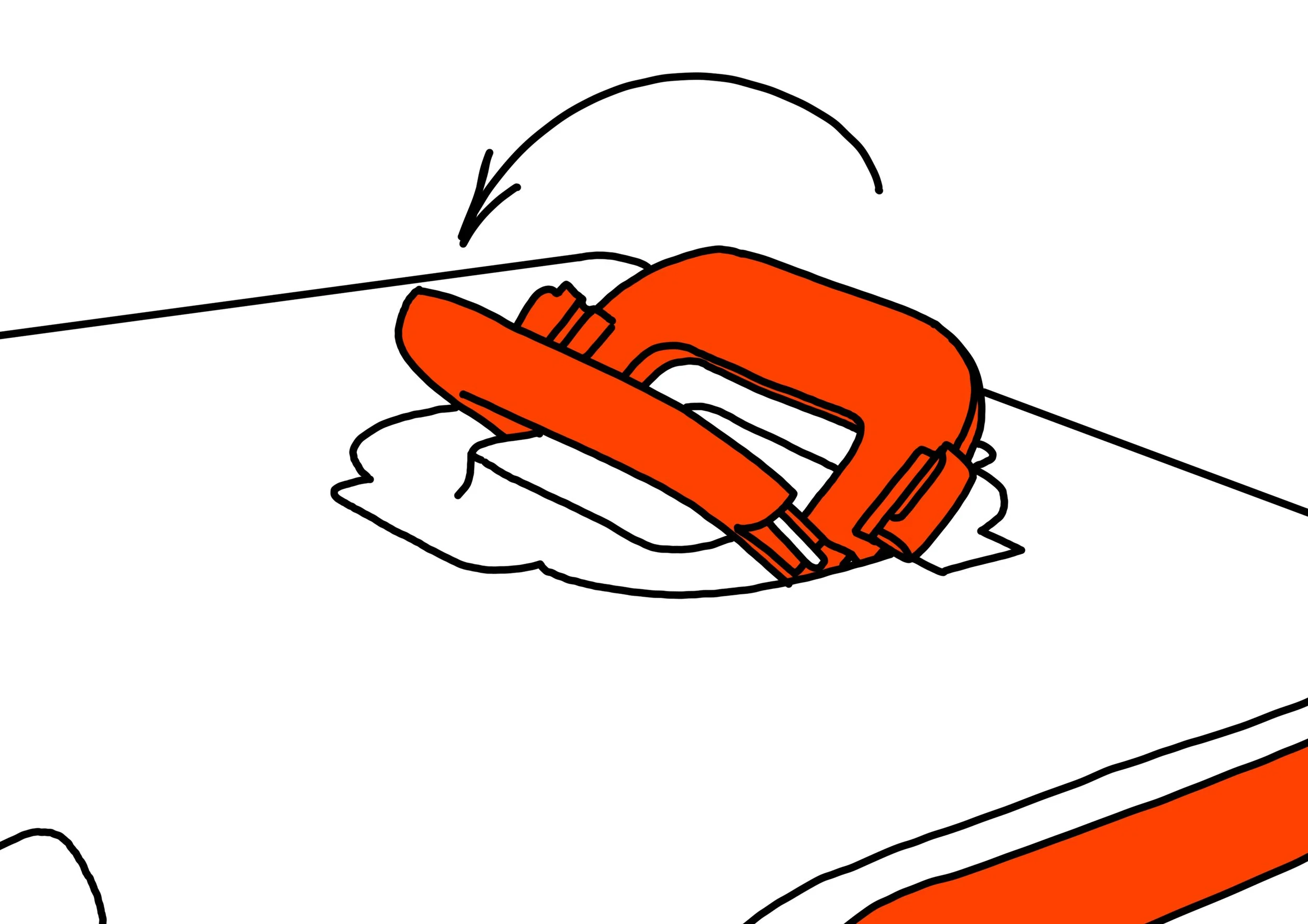
The top door gets locked as the user has to grab it from the handle.
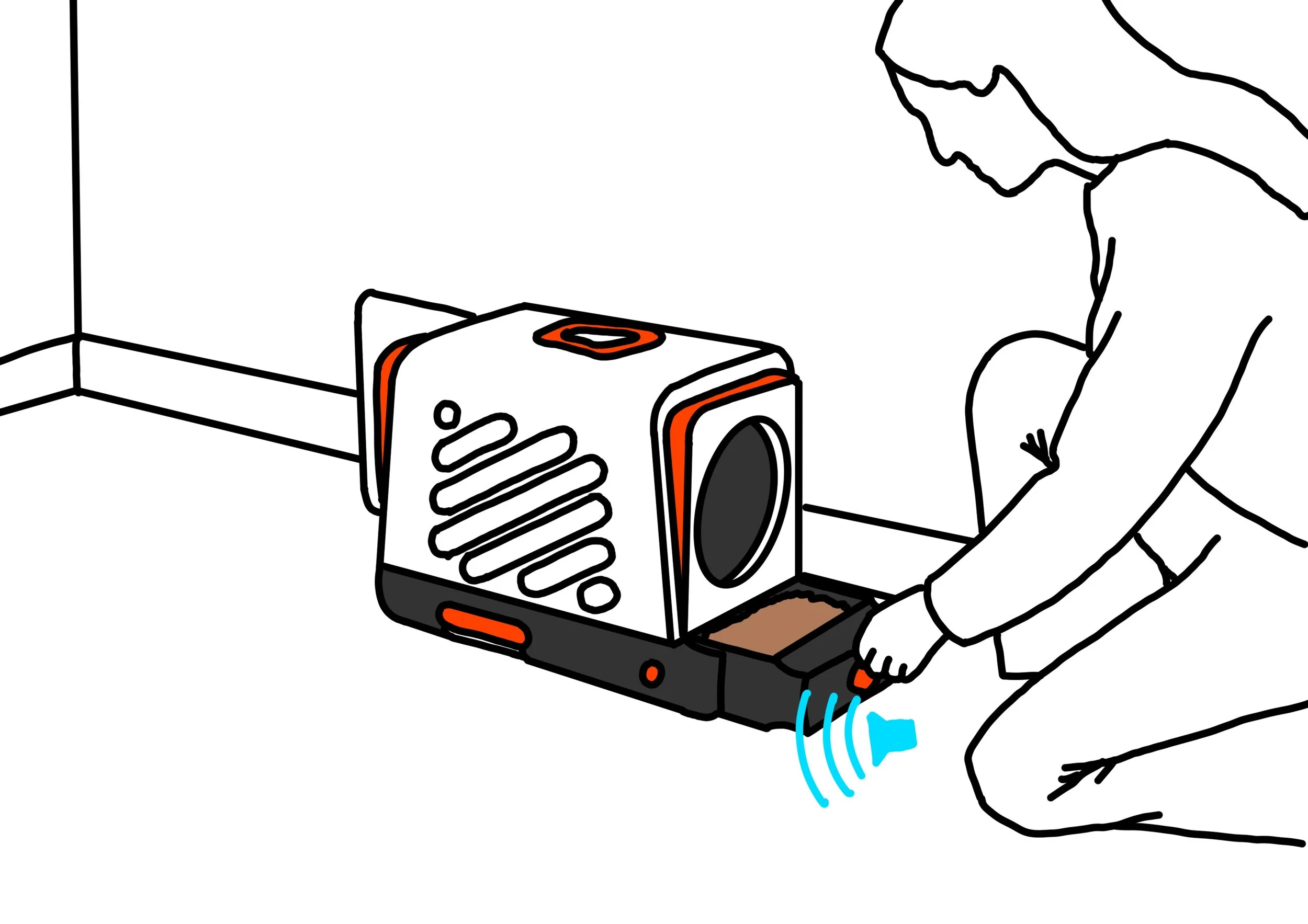
Carrier training the cat, using food and sound. This results in the cat associating the sound, carrier and food together.
1. Pre-Evacuation Stage
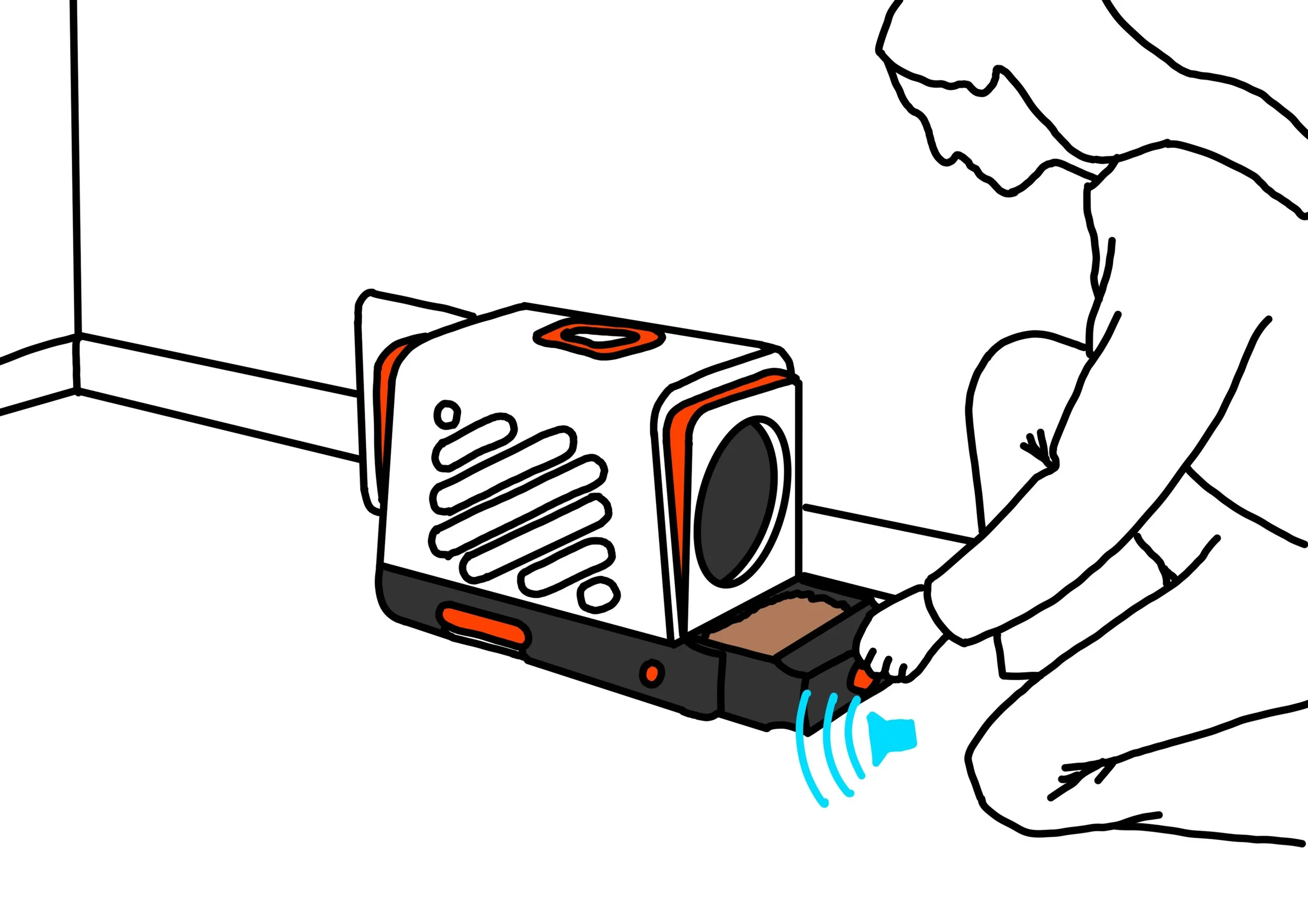
Plan B, the second best scenario, is when the user uses food or sound to bring the cat to the carrier, skipping the “locating the cat” stage.
2. Evacuation
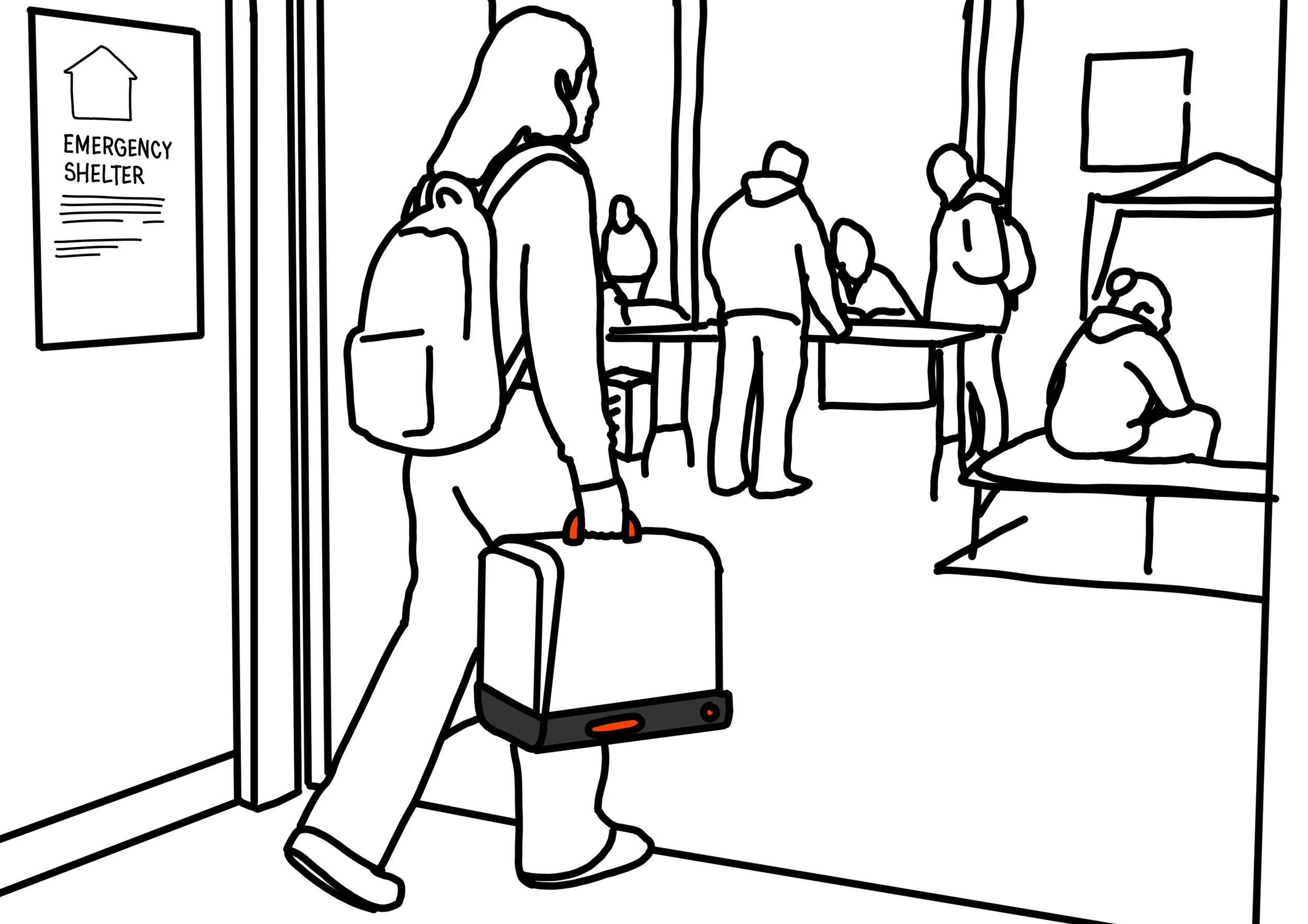
They take shelter in an animal accepting shelter, registering the cat with their documents.
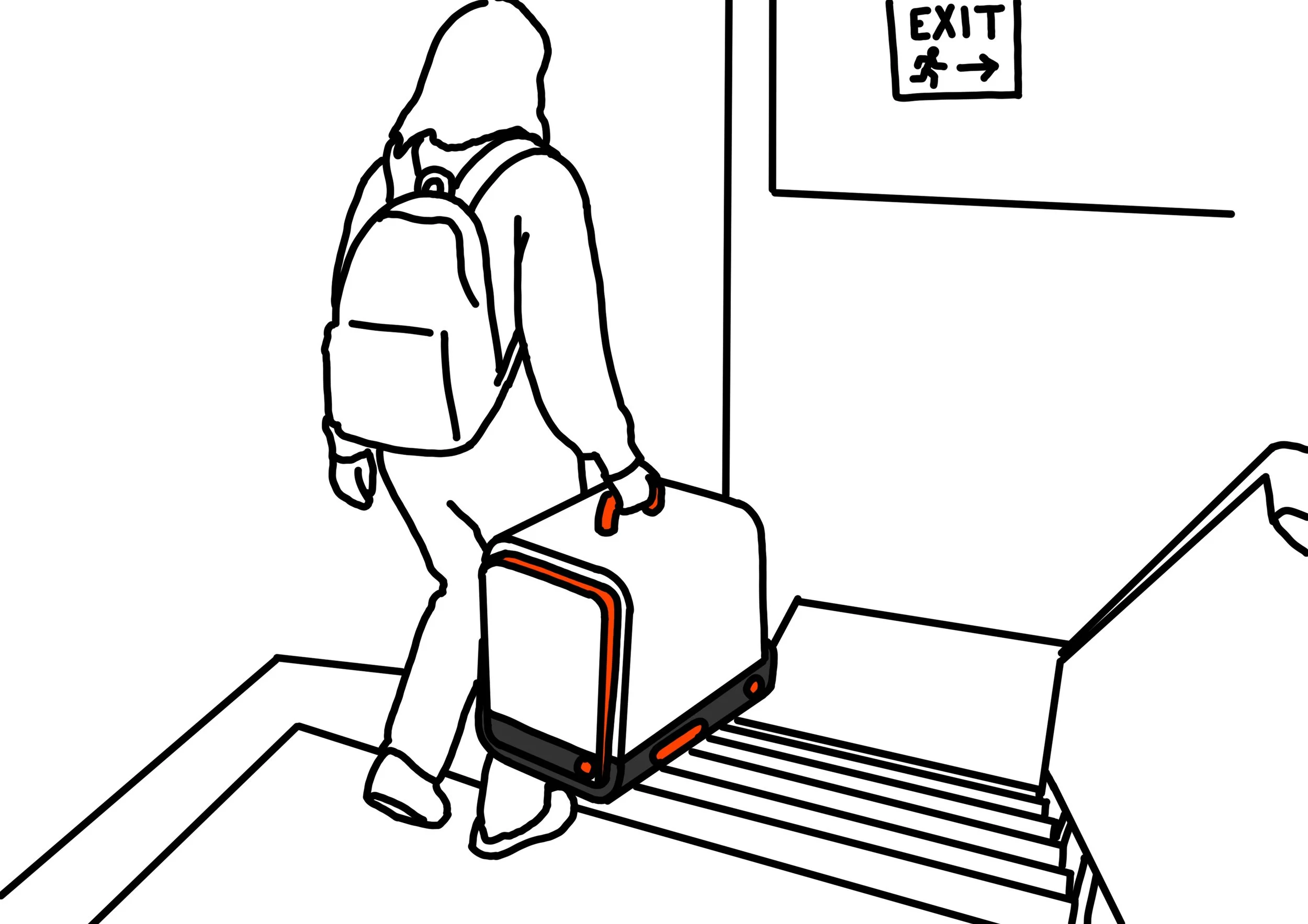
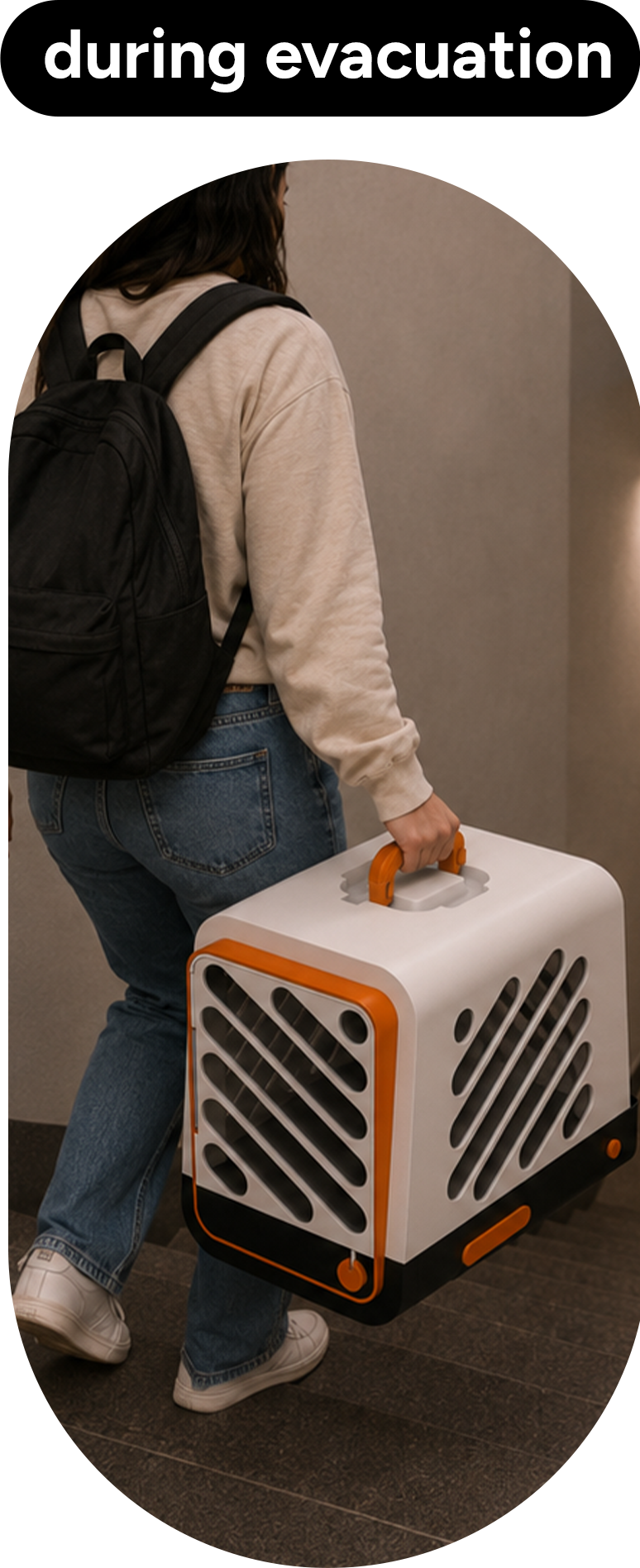
Human caregiver navigates through the stairs to exit the building.
3. Post Evacuation
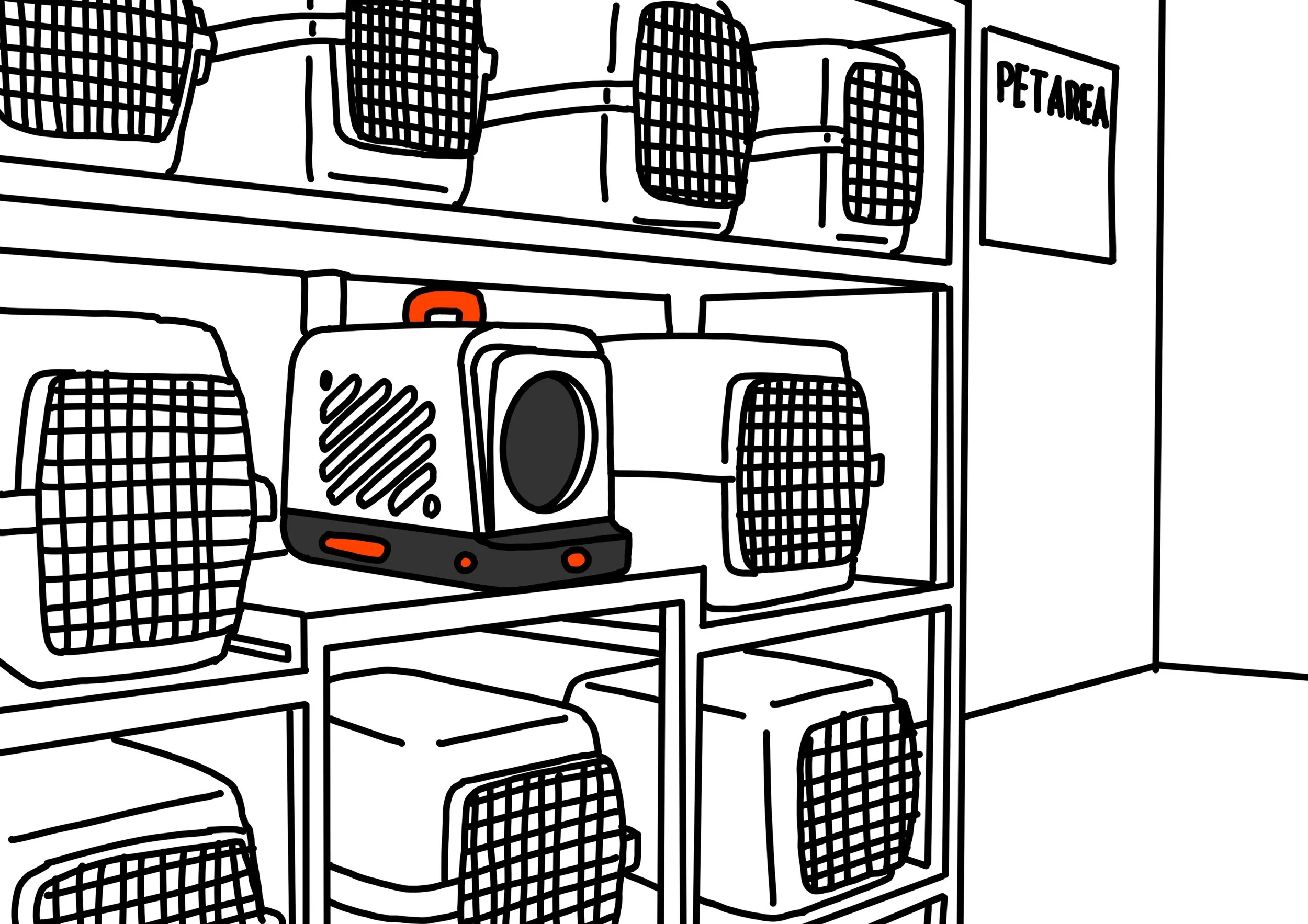
The carrier stays in a separate room with other pets, human caregiver has to take care of the cat.
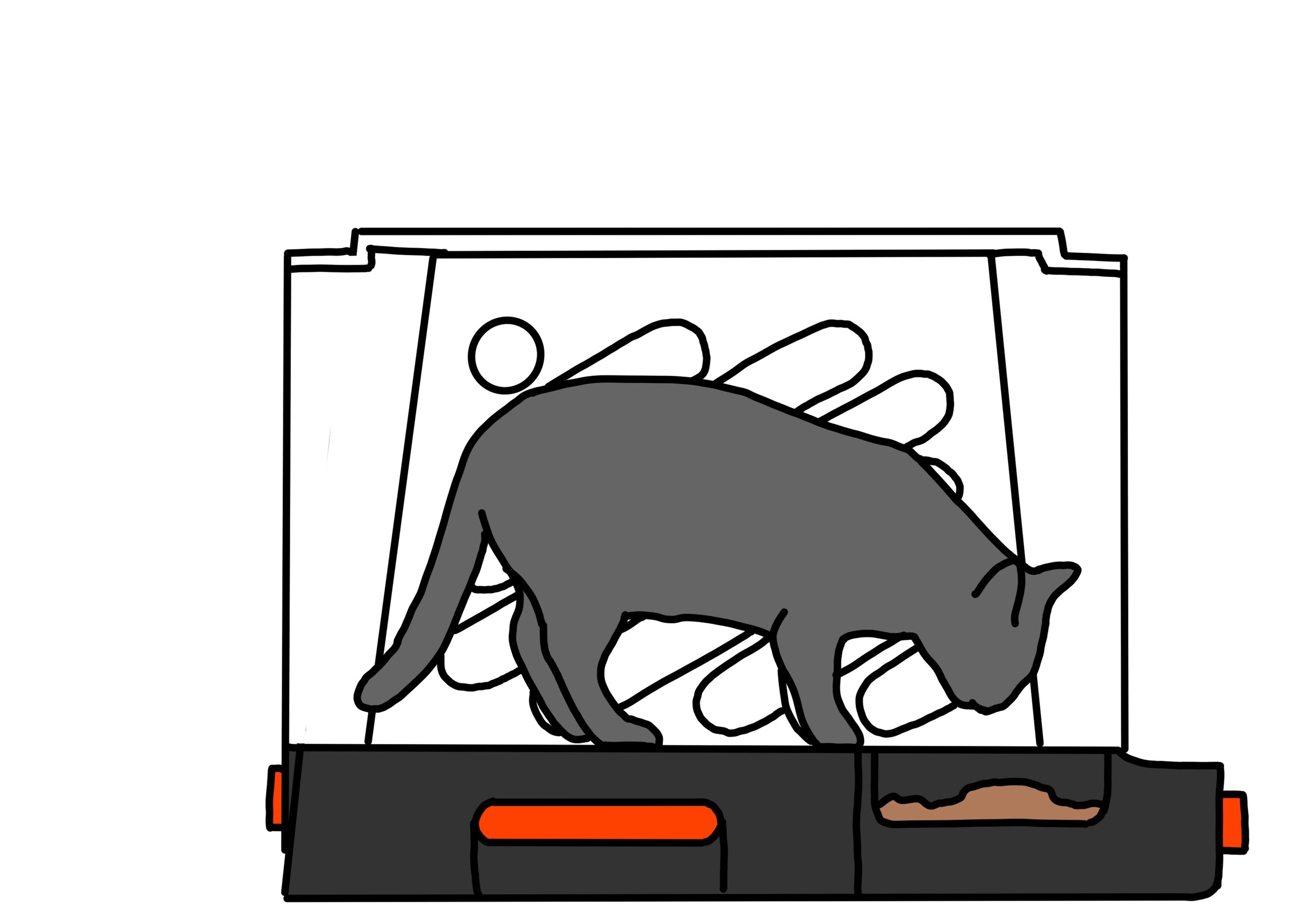
The cat eats its food inside the carrier, getting used to it through daily use.
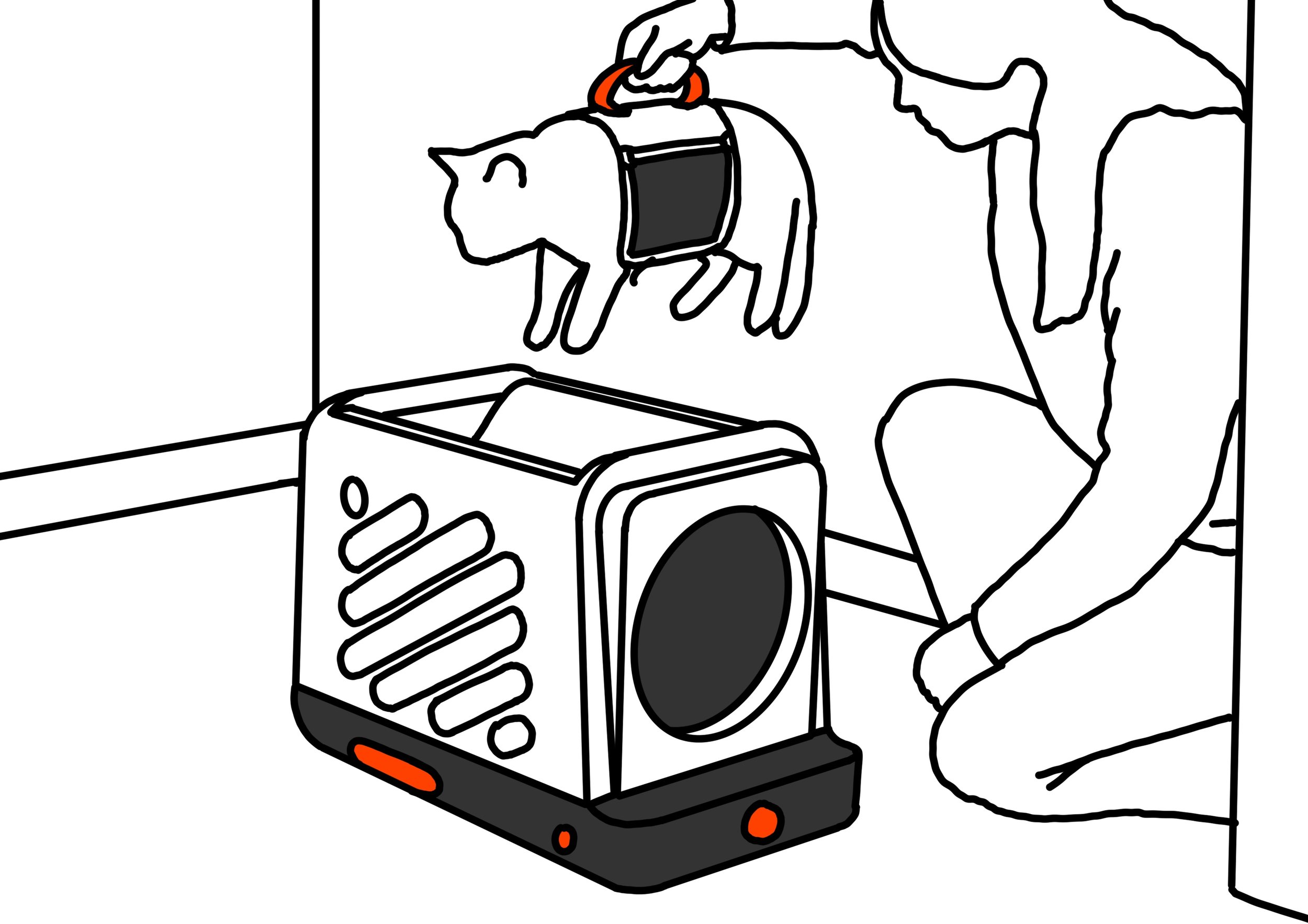
Plan C, is when the user uses the cat grabber bringing the cat to the carrier safely without harming anyone.
FINAL PRODUCT
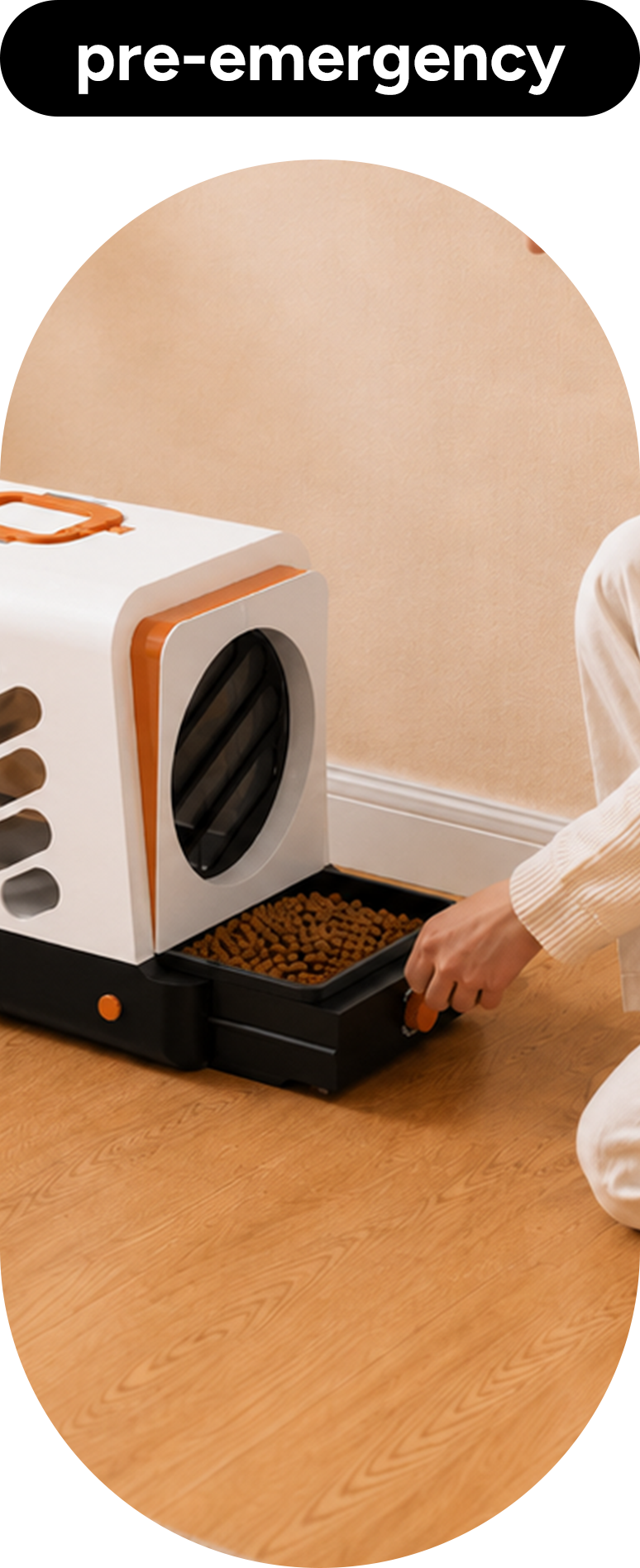
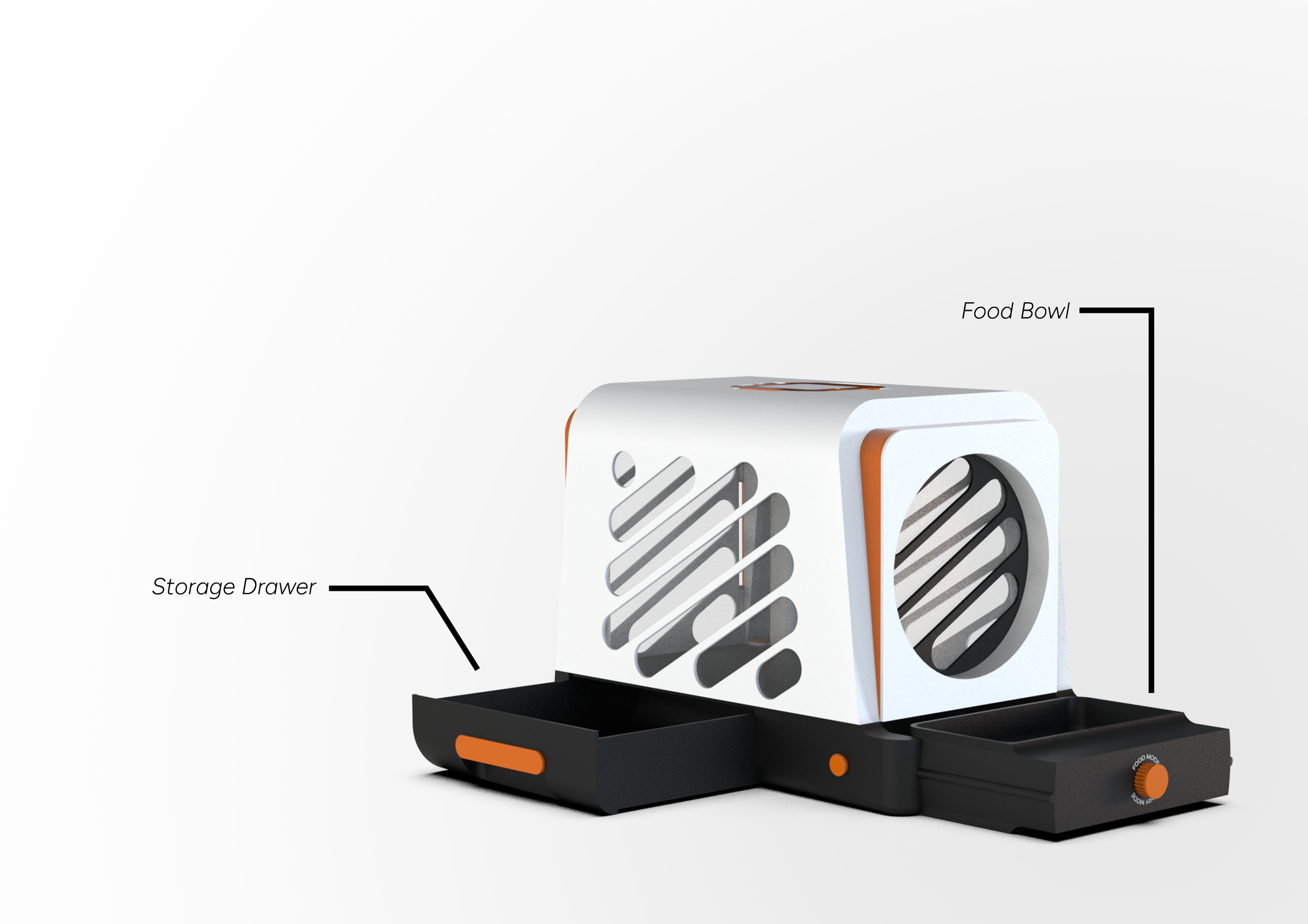
The best way to train the cat and lower the effort of preparation is to integrate into the daily life. The carrier stays in an open place inside the home, used for feeding the cat. The clicker on the food bowl is used for daily training on feeding routines.
Pre-Emergency
Preparation Stage, Daily Life
Store the essentials for emergency.
Make the cat consider this carrier as a safe space.
Teach the cat that, food, the carrier and the sound are related.
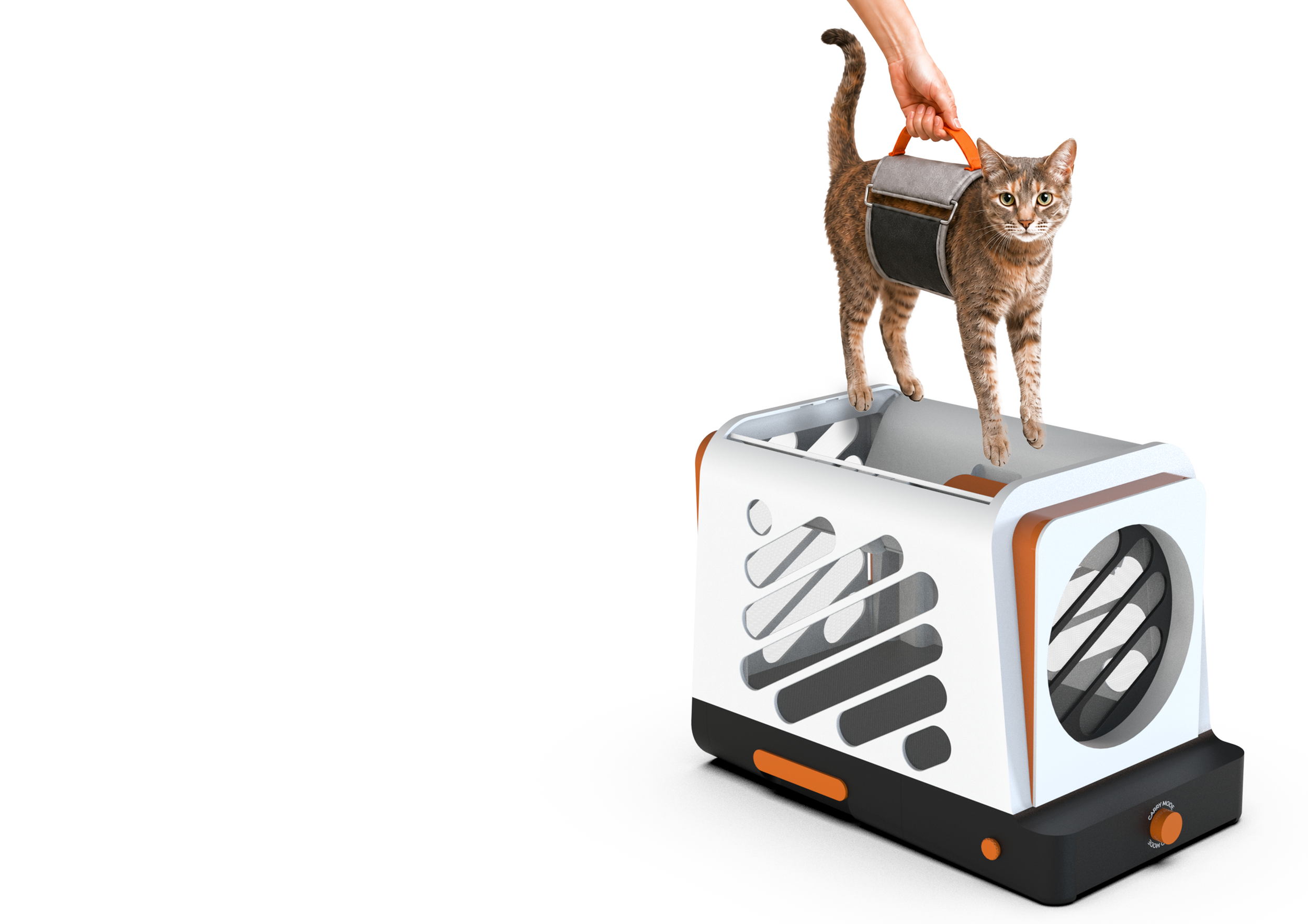
Pre-Evacuation
Immediately After Emergency
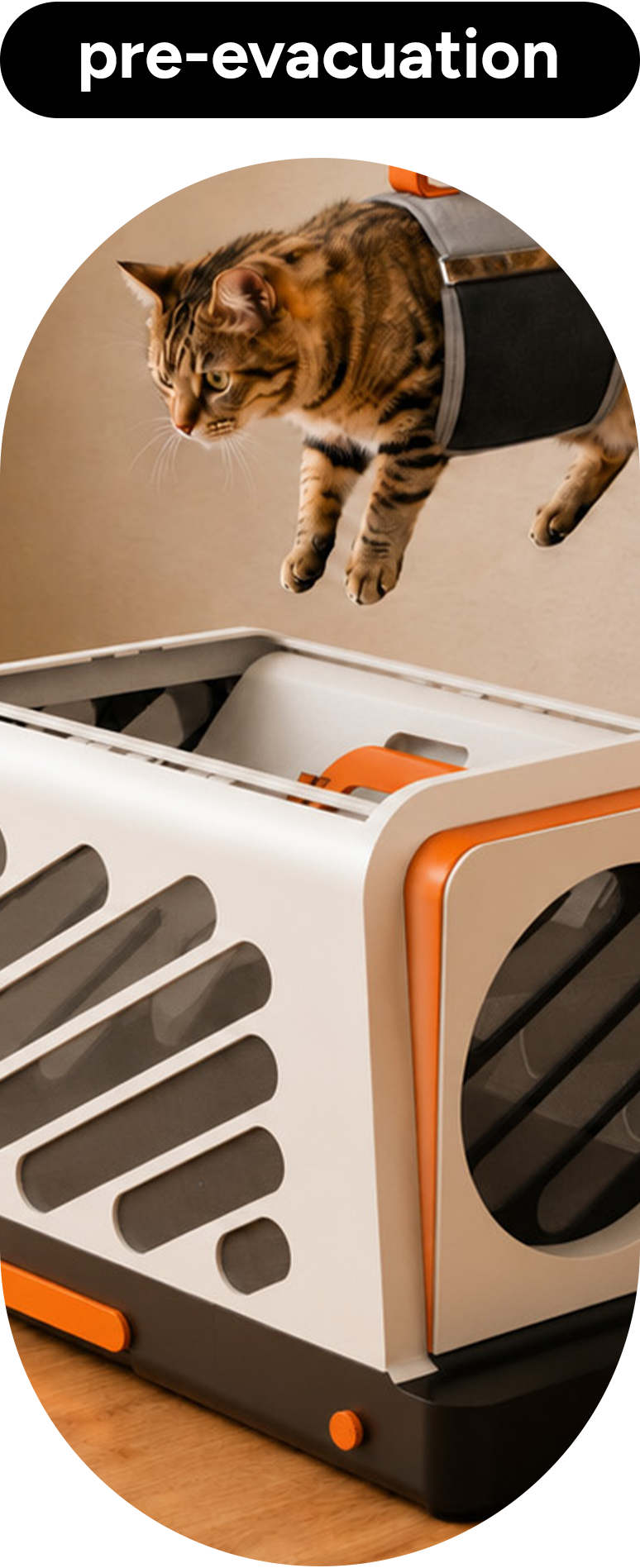
Due to limited time, stress and anxiety , this is the hardest part of the evacuation process. The human user has to locate and secure the cat in order to evacuate. There are three potential scenarios.
Plan A
The cat comes to the carrier by itself as this is its safe spot.
Plan B
Human caregiver uses the sound to signal the cat to come to the carrier for food.
Plan C
The cat does not come and brought manually by the caregiver.
The human user locks the doors of the carrier, carries the cat and the essentials.
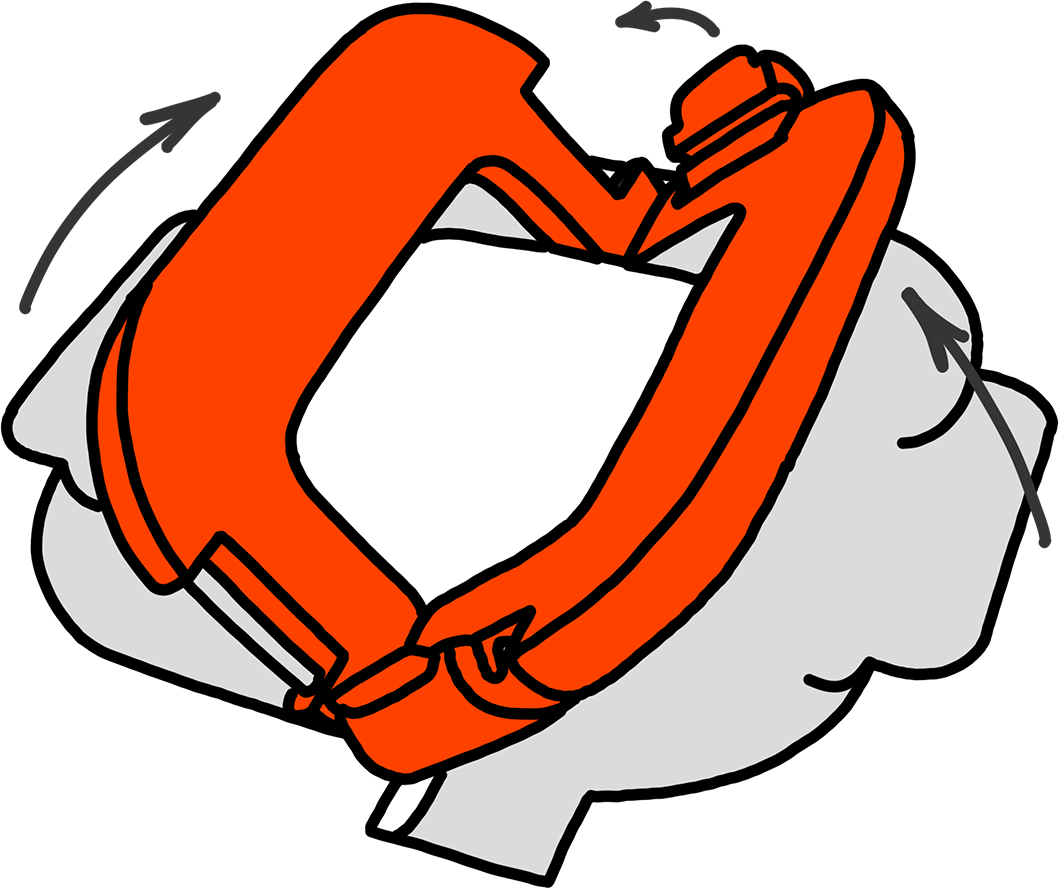
The carrier’s handle is a lock itself. This reminds the human user to lock the doors.
During Evacuation
Until Evacuees Get to a Safe Place
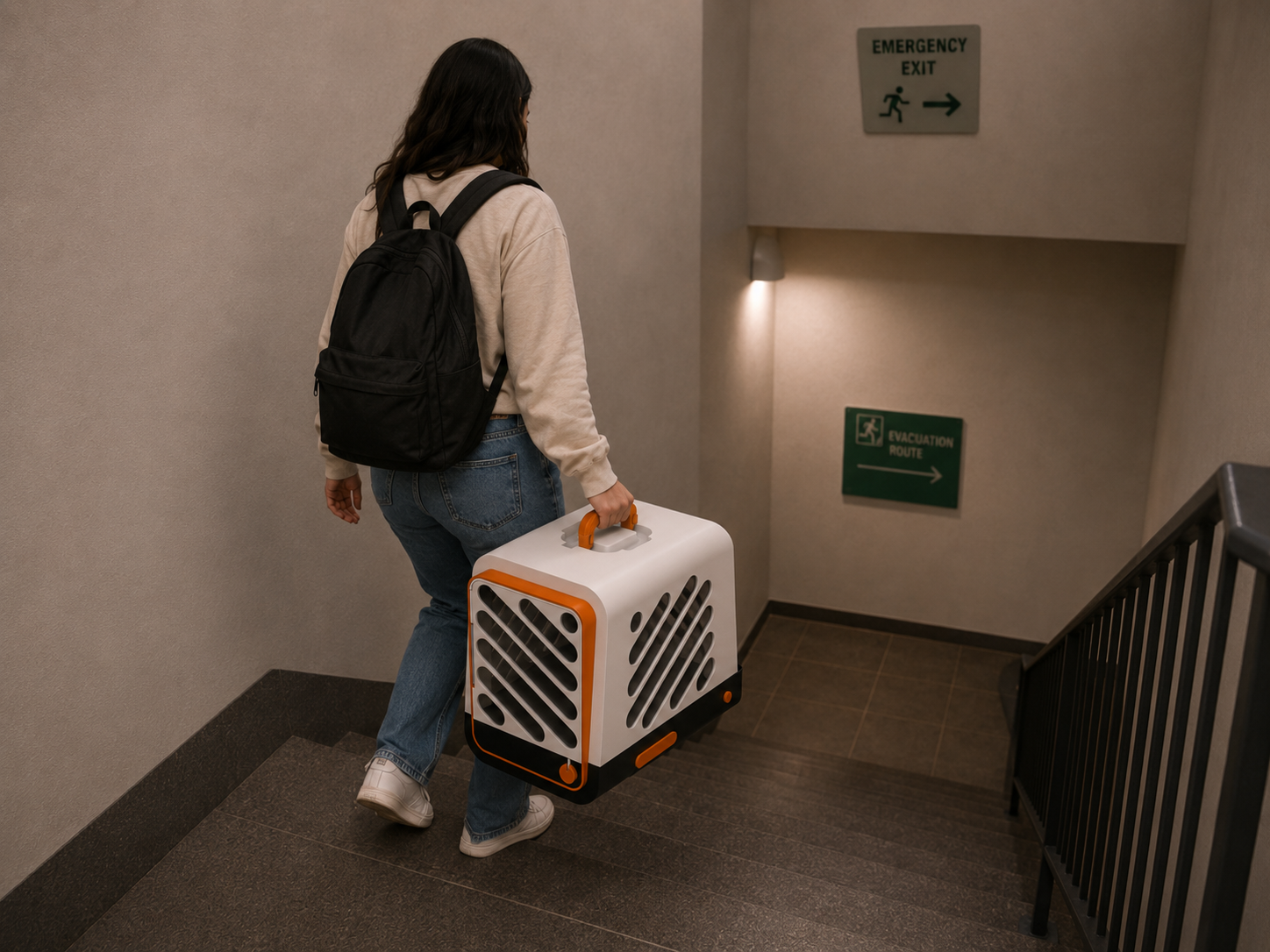
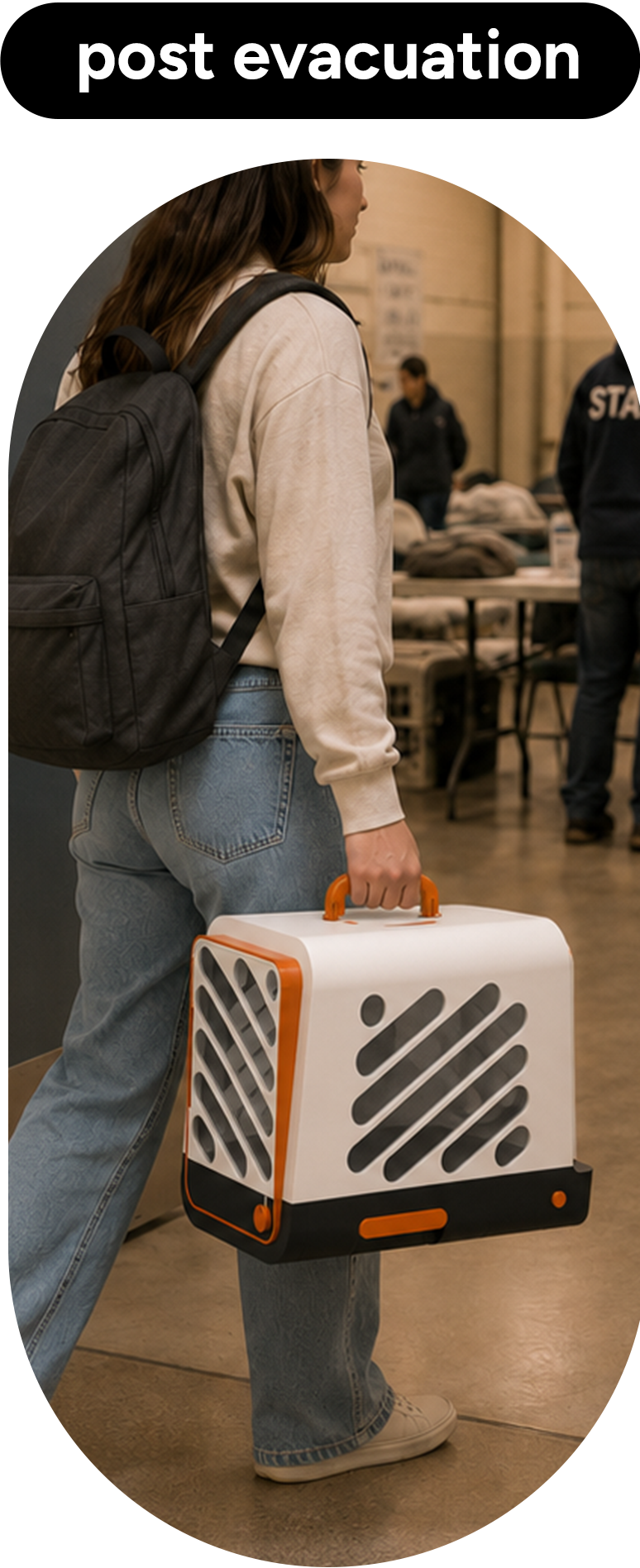
It is essential for most shelters to have vaccination records, ID, photos of the pet, some food and a hard carrier.
In most cases the caregivers and pets live in separate rooms from each other. In this period it is the human user’s responsibility to take care of the cat. In this scenario the cat can be fed inside the box without opening its doors.
In the scenario where they relocate in a relatives house, the storage drawer can be used for litterbox and the food bowl can still be used.
Post Evacuation
Once Evacuees Get to a Safe Place
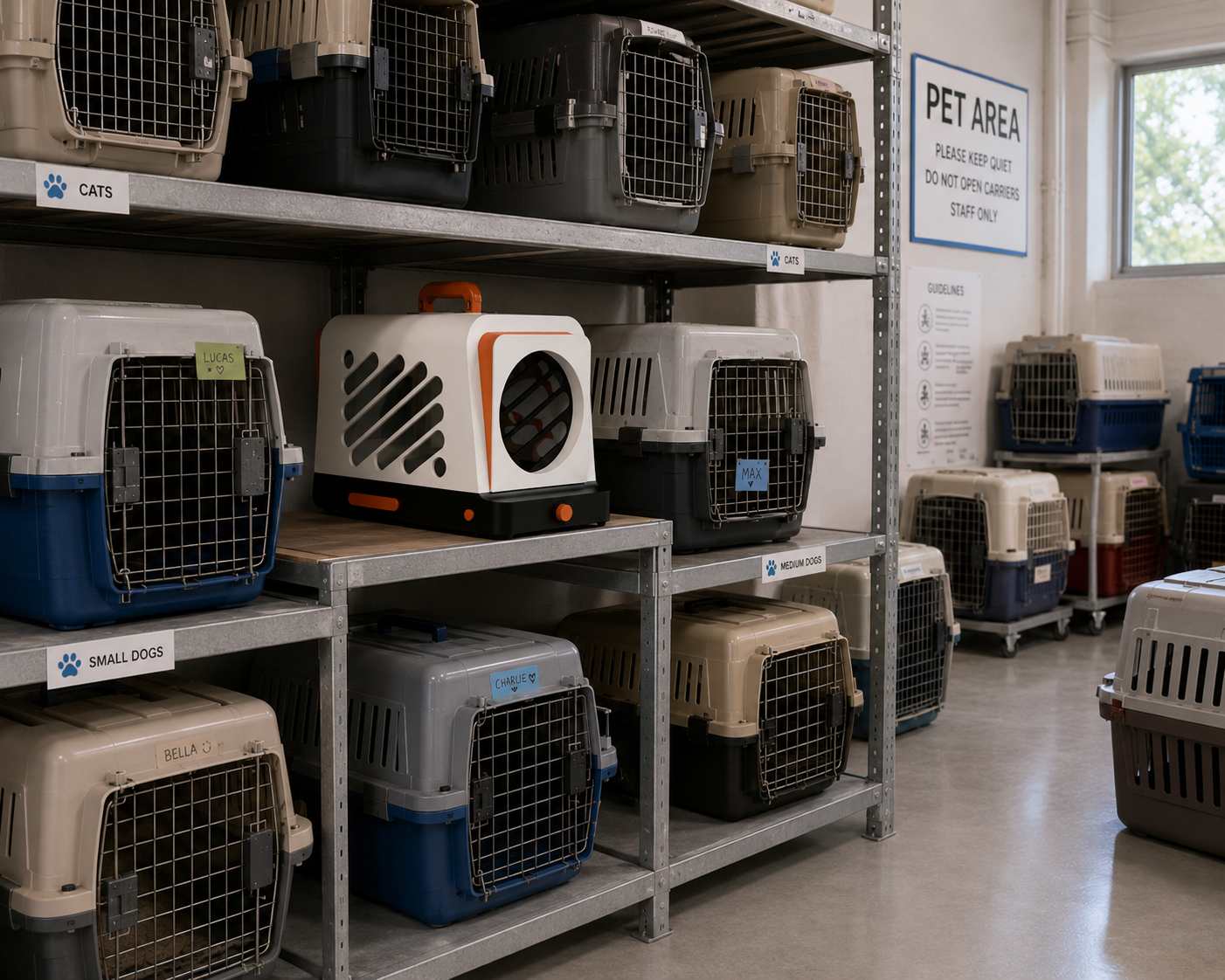
Technical Drawings
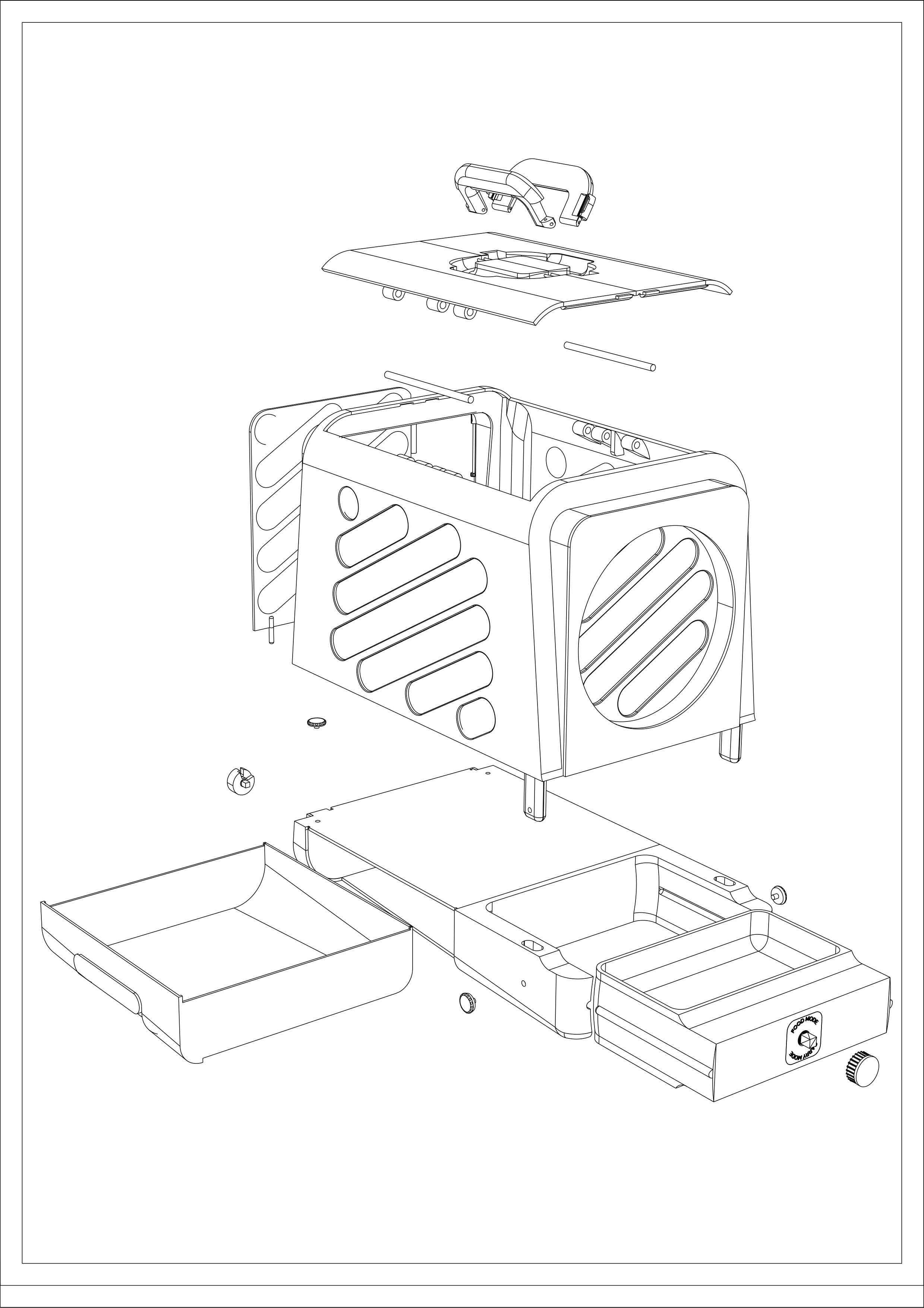
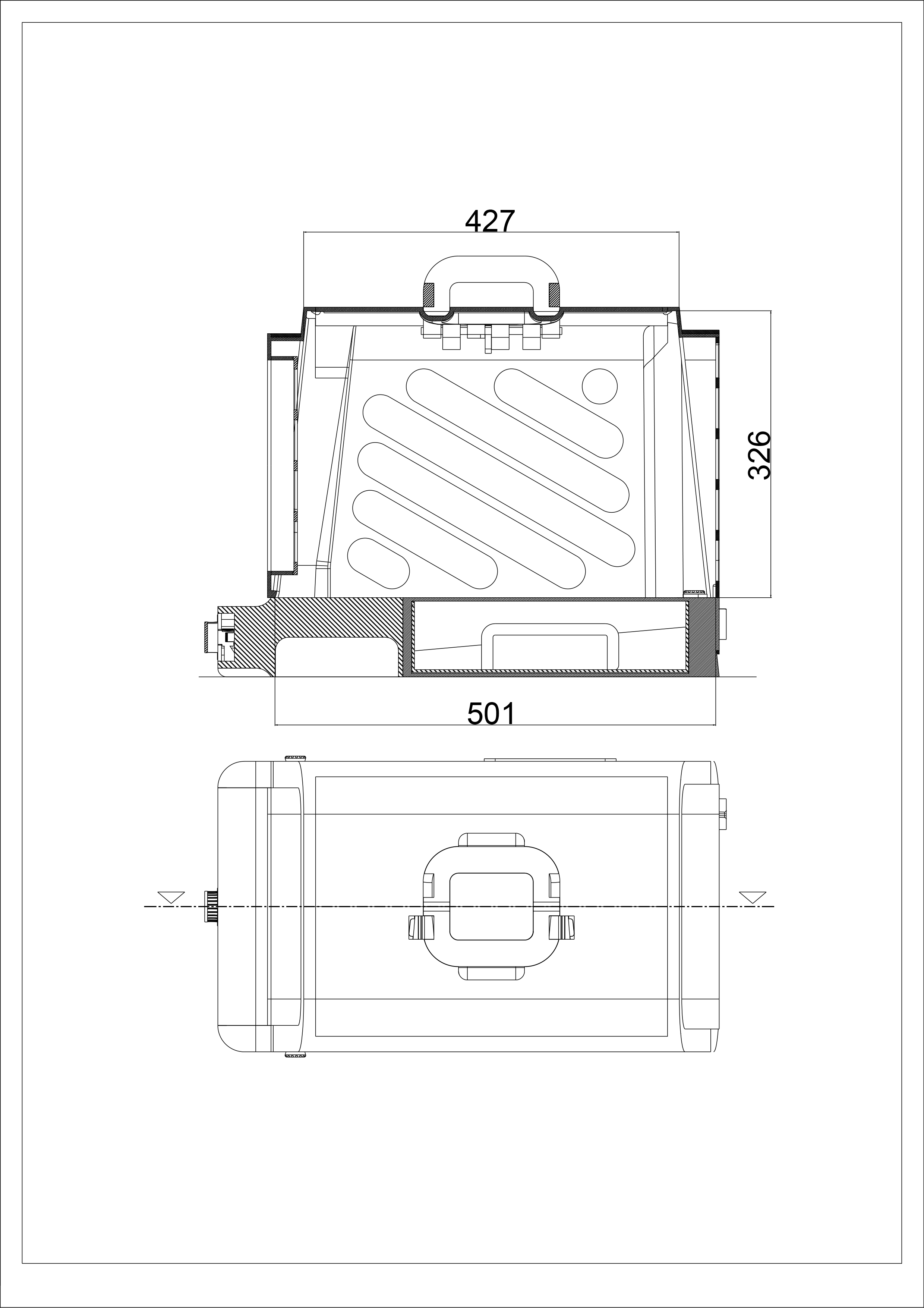
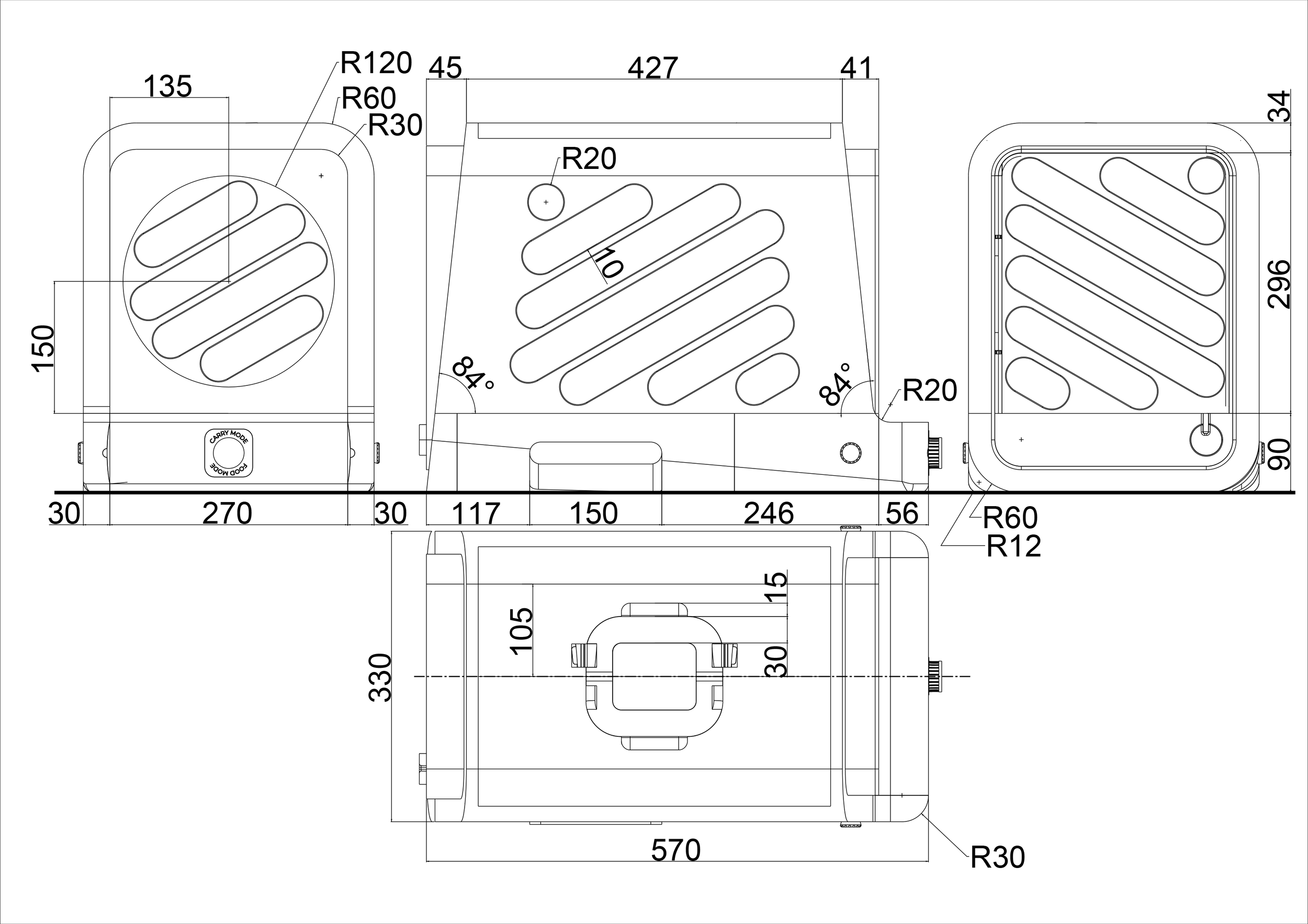
Final Prototype